By Staff Reporter
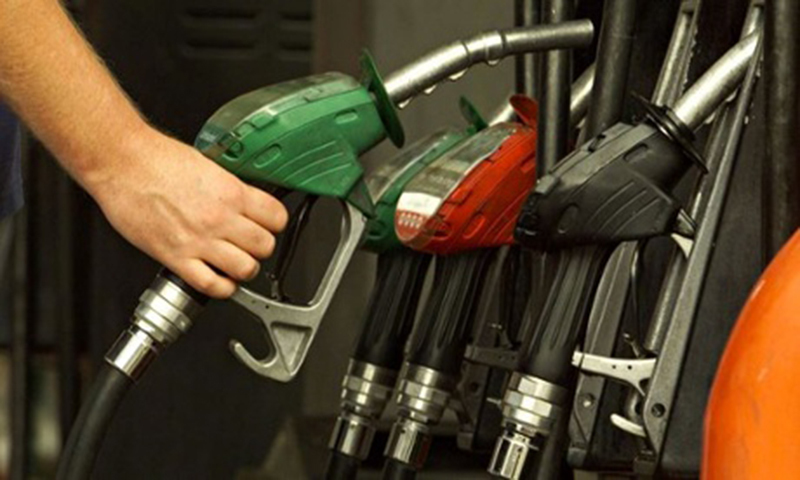
ISLAMABAD: Pakistan cut the price of petrol by 8 rupees a liter and diesel by 7 rupees for Wednesday, extending a retreat from the wartime peaks reached in April as crude oil slid toward $90 a barrel.
Petrol will retail at 338 rupees a liter and high-speed diesel at 371 rupees, according to a notification issued on Tuesday by the Oil and Gas Regulatory Authority. The previous rates, 346 rupees for petrol and 378 rupees for diesel, ran for four days through Nov. 10 because of a public holiday on Nov. 9. On Nov. 2, petrol was priced at 374.51 rupees and diesel at 395.20 rupees, which means petrol is now about 10% cheaper and diesel about 6% cheaper than at the start of the month.
The government cut petrol by 9.41 rupees for Nov. 6 and then by 6.59 rupees for Nov. 7-10. The Nov. 7 reduction as the fifth in a row. It was the first time petrol had fallen below 350 rupees since Sept. 7.
The government continues to levy 114 rupees a liter in taxes and duties on petrol, roughly a third of the pump price, and 100 rupees on diesel.
Part of the relief comes from an arrangement announced Nov. 2 under which refineries bear a cumulative burden of 15 billion rupees over 30 days, which allows a 14.71-rupee reduction in the petrol price at the consumer end. For the period, the government fixed the premium, incidentals and customs duty used to calculate the ex-refinery petrol price at March 7 levels, before the war. Topline Securities estimates the burden on refineries at 10 billion to 15 billion rupees a month. Local refineries supply about 30% of the country’s petrol, so the cost falls on a narrower share of the market.
Global prices have also helped. Brent crude futures closed at $90.34 a barrel on Tuesday, down from $117.64 on Oct. 30, a decline of more than 23% in just over a week. Reports on Nov. 9 linked the latest losses to prospects of a deal involving Iran. Business Recorder reported on Nov. 6 that Brent was on course for its biggest weekly drop since 2020.
Fuel costs remain well above where they stood before fighting began. Diesel started rising from 281 rupees a liter after the US-Iran war broke out on Feb. 28, and petrol began climbing from 266 rupees in the first week of March. Both peaked on April 3, petrol at 458.41 rupees and diesel at 520.35 rupees. Today’s prices are 120 rupees below the petrol peak and 149 rupees below the diesel peak, but still about 27% and 32% above their respective starting points.
The government moved to daily price revisions on July 17, replacing the weekly adjustments it had made since early March, after renewed hostilities between Iran and the US rattled global oil markets. The petroleum minister said at the time that the cabinet and the prime minister had given Ogra responsibility for setting prices each day based on international trends. The government announced targeted subsidized-fuel relief in April.
Prime Minister Shehbaz Sharif announced a relief scheme on Sept. 13, rolled out nationwide on Sept. 17, offering 100 rupees a liter off petrol for owners of motorcycles, three-wheeler rickshaws and cars of up to 800cc. The plan covers an estimated 11.8 million beneficiaries. About 10 million two-wheeler users and 800,000 three-wheeler users can claim relief on 20 liters a month, a maximum of 2,000 rupees each. Another 1 million owners of small cars get relief on 30 liters, worth up to 3,000 rupees.
The government also reintroduced austerity measures on Sept. 17. Shops, markets, malls, bazaars and grocery stores must close by 9 p.m. daily. Marriage halls and other venues hosting festive events close by 10 p.m., and restaurants and cafes by 11 p.m. Takeaway and home delivery are exempt. Fuel allocations for official vehicles have been cut by 50% for three months.
Petrol is used mainly in private transport, small vehicles, rickshaws and two-wheelers, so price changes weigh most on middle- and lower-middle-income households. Diesel, used in heavy transport, power plants and large generators, affects the broader economy. The two fuels are the largest earners among petroleum products, with combined monthly sales of about 700,000 to 800,000 tons, against about 10,000 tons of monthly kerosene demand.
Copyright © 2021 Independent Pakistan | All rights reserved