By Staff Reporter
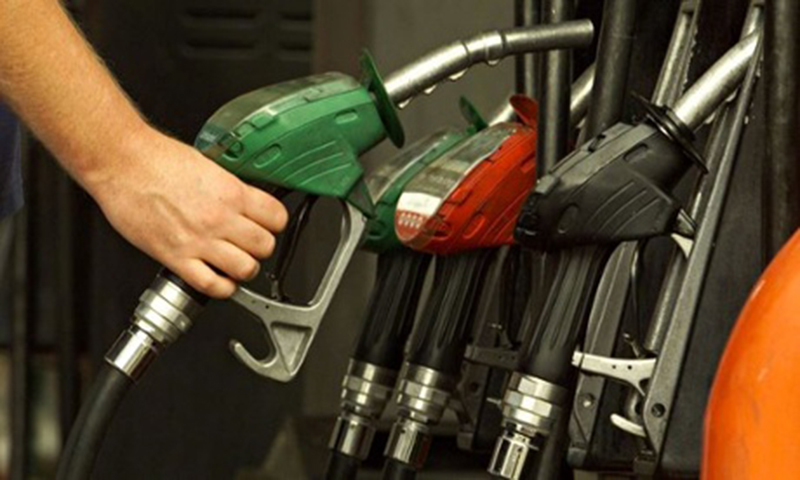
ISLAMABAD: Pakistan lowered the retail price of petrol by 3 rupees a liter on Tuesday, the 11th consecutive reduction, while holding diesel steady under a daily pricing regime that tracks swings in the Iran war and global crude.
Petrol will sell for 325 rupees a liter from Wednesday, Nov. 18, and high-speed diesel will remain at 358 rupees, according to a notification from the Oil and Gas Regulatory Authority. The government continues to levy 114 rupees a liter in taxes and duties on petrol, roughly 35% of the pump price, and 100 rupees on diesel.
Petrol is now about 29% below its April 3 peak of 458.41 rupees, and diesel is about 31% below its high of 520.35 rupees set the same day. Neither has returned to where it stood before the conflict. Petrol began climbing from about 266 rupees in the first week of March, and diesel from 281 rupees after the US-Iran war broke out on Feb. 28. Today’s prices are roughly 22% and 27% above those levels.
The decline has gathered pace this month. Petrol sold for 374.51 rupees a liter and diesel for 395.20 rupees when revised rates took effect on Nov. 3. That puts the cumulative drop in petrol at about 49.5 rupees, and in diesel at about 37 rupees.
Part of the relief comes from the refining sector. Under an arrangement announced Nov. 2, refineries will for 30 days contribute to the petroleum levy by bearing a cumulative impact of 15 billion rupees, according to the government. Petroleum Minister Ali Pervaiz Malik said at the time that refineries had earned profits over the previous three months that exceeded their earnings in several earlier years. He also said the government would keep its commitments to the International Monetary Fund in view while protecting consumers.
The refiners have objected. Four refineries wrote jointly to the petroleum minister, asking that the revised mechanism be withdrawn and the formula in place before Oct. 31 restored. They said it could cost them up to 49 rupees a liter and that they were not consulted. Industry stakeholders have also warned that the intervention could push local refineries toward negative gross refining margins. Petroleum dealers have pulled the other way. The Pakistan Petroleum Dealers Association has called for a forensic audit of refinery profits, claiming consumers could get relief of up to 50 rupees a liter.
The pump-price cuts follow a pullback in crude. Brent rose 1.5% to $93.84 a barrel on Tuesday, though it is still down more than 14% over the past month. The International Energy Agency now expects a supply surplus in the December quarter, while at least four tankers have been attacked in the Strait of Hormuz since Friday. Brent has slid from a six-month high set in late October.
Since July 17, the government has revised fuel prices on a near-daily basis, responding to swings in international prices after renewed hostilities between Iran and the US. The government has given Ogra responsibility for setting prices each day based on global market trends. Before that, the government had announced weekly revisions since early March, alongside fuel conservation measures meant to cushion against possible supply disruptions. It also announced targeted relief in April to provide subsidized fuel.
On Sept. 13, Prime Minister Shehbaz Sharif announced a relief scheme offering 100 rupees a liter off petrol for motorcycles, three-wheeler rickshaws and cars with engines up to 800cc. It was rolled out nationwide on Sept. 17. The plan was estimated to cover 11.8 million beneficiaries. About 10 million two-wheeler users and 800,000 three-wheeler users are entitled to relief on 20 liters a month, a maximum of 2,000 rupees each. Another 1 million owners of cars up to 800cc get relief on 30 liters, a maximum of 3,000 rupees each. Malik has said more than 13 million consumers benefit from the program.
The government also reintroduced austerity measures on Sept. 17, and they remain in force. Under a Cabinet Division notification, shops, markets, shopping malls, bazaars, departmental stores, grocery stores and kiryana shops must close by 9 p.m. throughout the week. Marriage halls, marquees and other venues hosting festive events must shut by 10 p.m. Restaurants, cafes, eateries and standalone fruit and vegetable shops may stay open until 11 p.m. Takeaway and home delivery are exempt. Fuel allocations for official vehicles have been cut by 50% for three months.
Copyright © 2021 Independent Pakistan | All rights reserved