The duo of expansionary policies and soaring international prices is wrecking havoc on the common citizen
By Staff Reporter
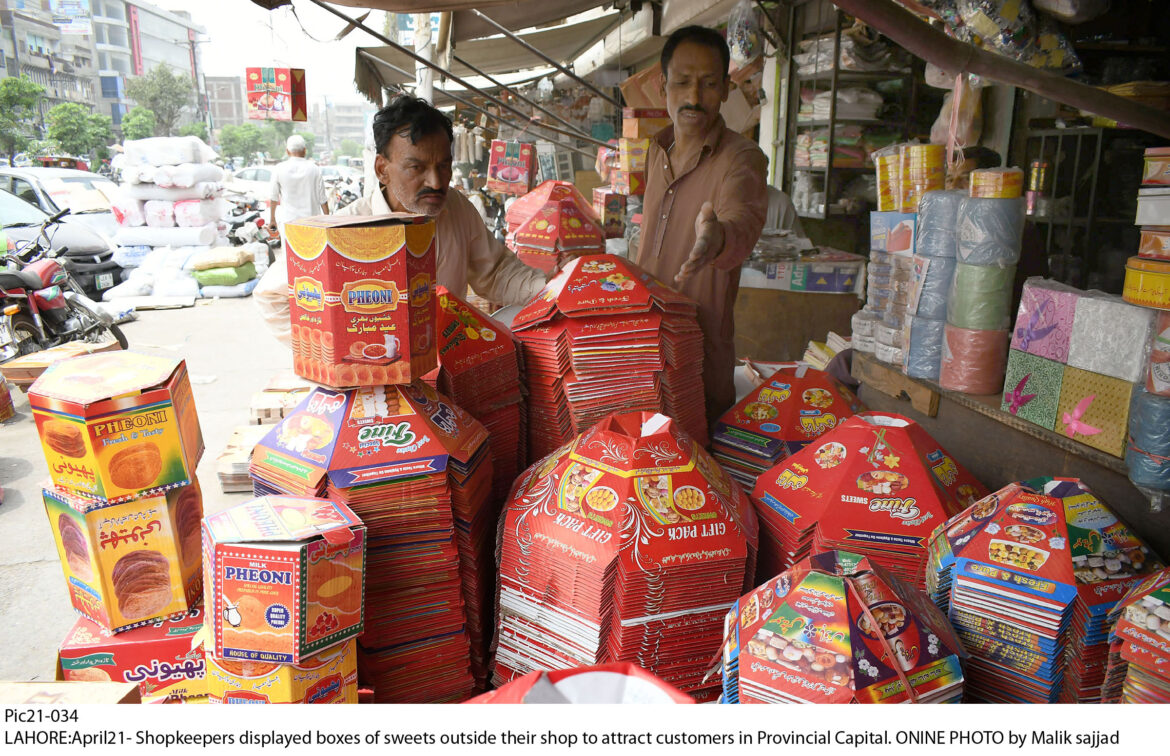
ISLAMABAD: Consumer price inflation surged at the fastest pace in two years in April as Ramazan demand pushed food prices higher, fueling expectations of an interest rate hike in the next monetary policy meeting, due later this month.
Soaring food costs and the energy bill drove inflation to 13.4 percent in April, up from 12.7 percent the month before and 11.1 percent in April 2021. April inflation was the highest since January 2020 when it had reached 14.6 percent.
On month-on-month basis, it increased by 1.6 percent in April 2022 as compared to an increase of 0.8 percent in the previous month and an increase of 1.0 percent in April 2021.
Although the coalition government of Prime Minister Shehbaz Sharif has kept petroleum and electricity prices in check, inflationary pressures still crush millions in Pakistan.
“One of the reasons for the spike in inflation is Ramadan demand when prices of food items went up,” said an analyst. “But massive subsidies provided to keep energy charges at an affordable level are also inflationary and indicative of expansionary fiscal policy.”
He said low productivity of agriculture has constrained supply, making the country a high food importer at a time of rising global food prices. “At the same time, there is a substantive demand-pull inflation, and policy design is partly responsible for it.”
An expansionary budget, elevated cash distribution, concessionary lending and higher income flow to rural areas are fueling higher demand in the country.
Pakistan Bureau of Statistic data showed that the urban CPI inflation increased by 12.2 percent on a year-on-year basis in April 2022 as compared to an increase of 11.9 percent in the previous month and 11.0 percent in April 2021.
Month-on-month, it increased by 1.6 percent in April 2022 as compared to an increase of 0.7 percent in the previous month and 1.3 percent in April 2021.
Rural inflation, however, increased on a much higher speed of 15.1 percent year-on-year in April 2022 as compared to an increase of 13.9 percent in the previous month and 11.3 percent in April 2021.
On a month-on-month basis, it increased by 1.6 percent in April 2022 as compared to 1.0 percent in the previous month and 0.6 percent in April 2021.
Senior economist Dr Khaqan Najeeb said elevated inflation in double-digits indicated a combination of higher demand pressures, supply shortfalls, and soaring prices of imported inputs.
“Rising prices have hit households globally”, says Najeeb. “However, they have had a more pronounced effect in Pakistan, which is heavily dependent on imports like petroleum products, edible oil, machinery, food, vehicles, mobiles and industrial raw materials“.
Dr Najeeb laments that imports account for more than 25 percent of GDP of Pakistan. “Global price effect has been worsened by a sharp weakening of the rupee, weakening its purchasing power internationally,” he further said.
Food-price inflation is crushing Pakistan’s low-income citizens who spend more than half of their incomes on food.
Najeeb says managing inflation beyond monetary tightening is a key challenge for the government if it wants to bring relief to the people. “It is important to do vigilant supply-side monitoring of key food items to bring down food inflation.
“The government must ensure supply of cheaper fuels, ensure that there is no undervaluation of the rupee, and limit the rate of monetary expansion to low double-digits”.
The State Bank of Pakistan (SBP), in the first week of April raised the benchmark interest rate by 250 basis points to 12.25 percent, the biggest hike since 1996.
Copyright © 2021 Independent Pakistan | All rights reserved