By Staff Reporter
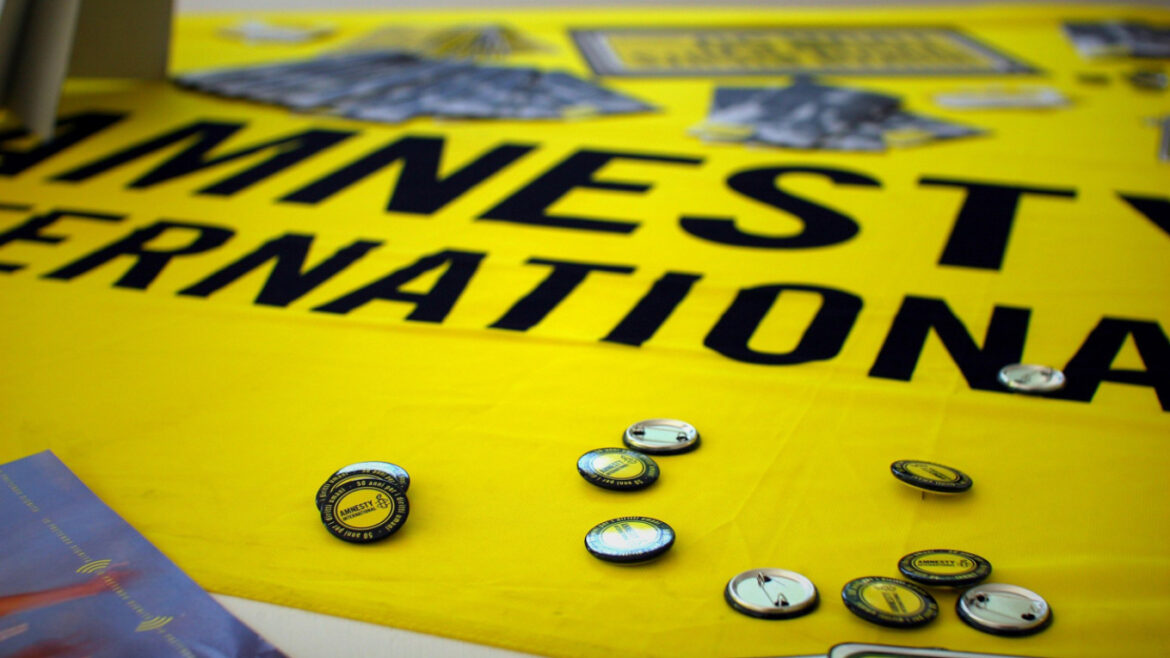
QUETTA: Amnesty International on Tuesday urged Balochistan Chief Minister Sarfaraz Bugti to release detained Baloch activists and an end to what it described as a sweeping crackdown on dissent in the restive province
The plea underscores mounting international concern over Pakistan’s handling of human rights defenders in a region long plagued by allegations of state overreach.
The activists, including prominent figure Dr. Mahrang Baloch, were arrested in March following a tumultuous confrontation with authorities. Police accused them and other members of the Baloch Yakjehti Committee (BYC) of attacking Quetta Civil Hospital and inciting violence, charges that came just a day after a police crackdown dispersed their protest against alleged enforced disappearances. The BYC, a grassroots advocacy group formed in 2018, has been a vocal critic of such disappearances, a grim hallmark of Balochistan’s decades-long conflict.
In a sharply worded letter to Bugti, Amnesty pressed the chief minister to act. “I urge you to release all Baloch activists targeted solely for exercising their rights to peaceful assembly and freedom of expression,” the letter stated. It called for all charges to be dropped and detention orders overturned, arguing that the activists’ plight violates Pakistan’s obligations under international human rights law.
The detentions, Amnesty warned, rely on a misuse of legal tools like the Maintenance of Public Order Ordinance (MPO) and the Anti-Terrorism Act, measures the group said have been wielded to prolong arbitrary confinement. “These actions violate the activists’ rights to liberty and due process,” the organization asserted, pointing to a pattern of suppression that flouts global standards.
The six named activists, Mahrang Baloch, Bebarg Zehri, Beebow Baloch, Shah Jee Sibghat Ullah, Ghafar Baloch, and Gulzadi Baloch, have been held beyond the 90-day limit permitted under the MPO, a breach of Pakistani law, according to Amnesty. Mahrang, currently confined at Hudda District Prison in Quetta under Section 3 of the ordinance, saw her detention extended last week when an anti-terrorism court granted police an additional 10 days of custody for her and other BYC organizers. The ruling stretched their imprisonment beyond three months, intensifying scrutiny of the case.
Amnesty painted a broader picture of repression in Balochistan, situating the arrests within a “wider crackdown on human rights” marked by the stifling of peaceful assembly, enforced disappearances, and extrajudicial executions. The group expressed alarm over the detainees’ welfare, noting that “access to family members and lawyers is regularly blocked by prison authorities”, a restriction that heightens fears of mistreatment behind bars.
“End the wider crackdown against activists and protesters across the province by allowing them to exercise their rights to freedom of peaceful assembly and expression without undue restriction,” Amnesty urged Bugti, framing the detentions as a test of Pakistan’s commitment to its international pledges.
The appeal echoes a May statement from Amnesty and four other human rights organizations, which jointly pressed Pakistan to free Balochistan’s human rights defenders and halt the clampdown on dissent. That earlier call went unheeded, and Tuesday’s letter signals a renewed push as the activists’ ordeal drags on.
Balochistan, Pakistan’s largest and most resource-rich province, has long been a flashpoint for tensions between the state and ethnic Baloch groups, who accuse authorities of systemic abuses, including abductions and killings. The BYC’s protests have sought to spotlight these grievances, but its members now find themselves ensnared in the very crackdown they decry.
Neither Bugti’s office nor provincial authorities immediately responded to Amnesty’s demands. For the detained activists and their supporters, the wait for justice continues amid a deepening human rights crisis that shows little sign of abating.
Copyright © 2021 Independent Pakistan | All rights reserved