By Staff Reporter
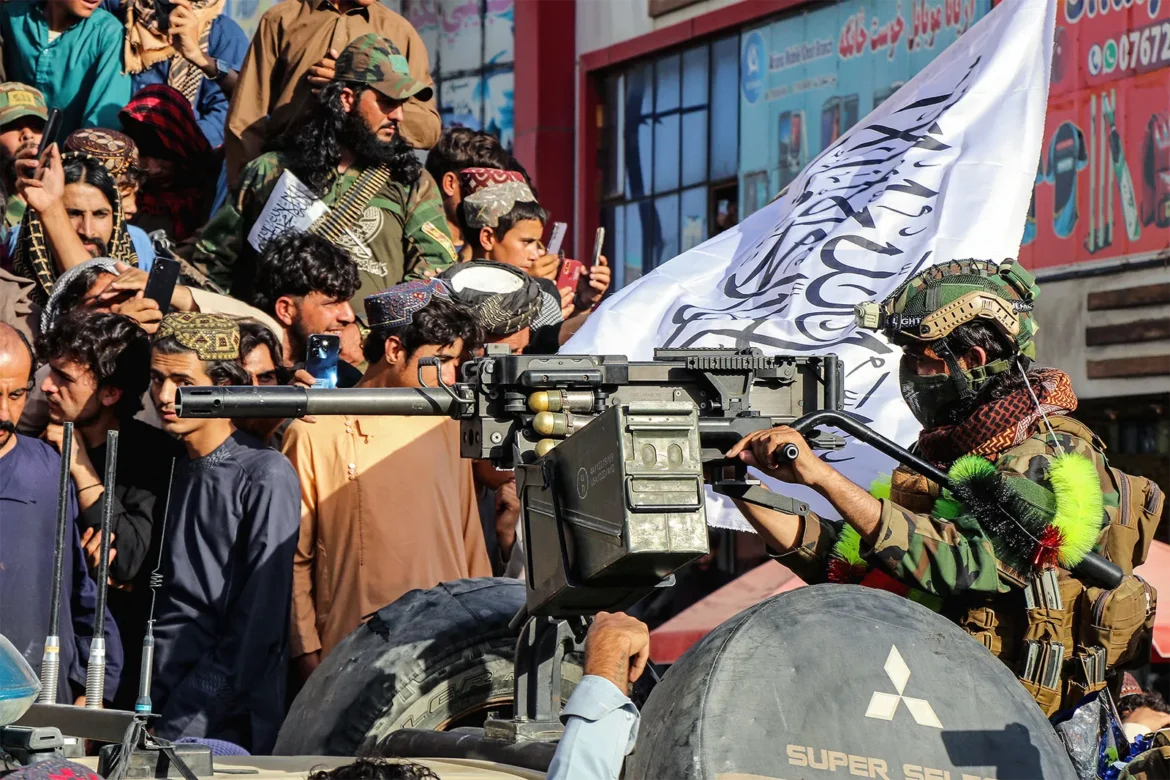
ISLAMABAD: Pakistan has emerged as the country most severely battered by the Taliban’s seizure of power in Afghanistan in 2021, according to a new report by the International Crisis Group, which warns that a fragile ceasefire between the two neighbours could shatter if cross-border militant attacks continue, prompting Islamabad to unleash fresh military strikes.
The Brussels-based think tank, an independent nonprofit founded by former diplomats and statesmen, attributes the plunge in relations largely to the Afghan Taliban’s unwillingness to rein in the Tehreek-i-Taliban Pakistan, a militant coalition that has intensified its assaults on Pakistani forces.
Violence has escalated sharply in Pakistan since 2022. Last year alone, militants claimed the lives of more than 600 soldiers and police officers, primarily in the border provinces of Khyber Pakhtunkhwa and Balochistan. Islamabad holds the outlawed TTP responsible for much of the bloodshed, alongside Baloch separatist groups that it accuses, with supporting evidence, of receiving backing from its longtime adversary, India.
“UN monitors assert that the TTP enjoys Taliban support, but the Taliban publicly deny that Pakistani militants are even in Afghanistan and say Islamabad provoked what they paint as homegrown violence,” the report states. Privately, however, Taliban officials concede the presence of Pakistani militants but maintain that neither government can fully police the rugged 1,600-mile frontier. Kabul says it has shifted many TTP fighters, their families and others uprooted by clashes in 2024 farther from the border.
Yet the Taliban have neither halted incursions nor extradited TTP commanders, as Pakistan insists. The group is too entrenched, its bonds with the Taliban too deep, and animosity toward the Pakistani state too widespread among border Afghans for a forceful clampdown, which might rebound by driving TTP elements or even Taliban fighters into alliances with the Islamic State against the regime in Kabul.
This dilemma echoes one that long troubled Pakistan’s own military leadership, which hesitated to target anti-India militants for fear of internal backlash. Today, freedom fighters in occupied Kashmir operate more independently, but after the killing of 26 civilians last April, New Delhi’s aggression and violation of international norms saw a full-fledged war between the two neighbours. Indian airstrikes on mosques, military outposts and urban areas in Pakistan, igniting the gravest confrontation between the nuclear powers in years.
The Afghan frontier has proved no less volatile. On Oct. 8, after a TTP ambush martyred 11 Pakistani troops, Islamabad retaliated with airstrikes across the border, marking its inaugural bombardment of Kabul itself in a bid to eliminate TTP leader Noor Wali Mehsud. Afghanistan struck back at Pakistani bases, and the ensuing clashes took civilian and military tolls on both sides. Only the intervention by Turkey and Qatar reportedly deterred Pakistan from broader operations to dismantle the TTP’s command.
Defence ministers from the two nations convened in Doha, Qatar, later that month, brokering a ceasefire. Follow-up discussions in Istanbul have failed to thaw the chill. Diplomatic relations remain severed, commerce has ground to a halt, and Pakistan’s sweeping expulsions of Afghan residents have stoked fury in Kabul. Compounding Islamabad’s unease, the Taliban have deepened links with India.
The report cautions that another traced attack from Afghan soil could provoke renewed Pakistani aggression. Though outmatched in conventional firepower, the Taliban could inflict serious damage in reprisal; Kabul boasts missiles capable of striking Pakistani metropolises, a move that would almost certainly elicit an intensified counterstrike.
Pakistan’s predicament might seem ironic. After the US-led invasion of Afghanistan in 2001, Islamabad harboured Taliban figures as they waged insurgency against the American-supported government in Kabul. Soon after the Taliban’s 2021 triumph, Pakistan’s intelligence director was among the earliest foreign dignitaries to appear publicly in the Afghan capital. The TTP, forged in 2007 to combat the Pakistani state, unites Islamist factions, chiefly Pashtun, along the permeable divide.
By 2014, Pakistani offensives had subdued them domestically, expelling remnants into eastern Afghanistan and reasserting control over tribal zones. Seizing Kabul, the Taliban facilitated negotiations between Islamabad and the TTP, yielding a brief truce in 2022. It unravelled following the ouster that April of Prime Minister Imran Khan, the talks’ chief advocate in Pakistan. The TTP now seeks to reclaim sway over swaths of Khyber Pakhtunkhwa — a demand rejected outright by Pakistani officials, generals and locals alike.
In the past year, Pakistan’s leaders have cultivated warmer ties with Washington, with Army Chief Field Marshal Asim Munir and Prime Minister Shehbaz Sharif conferring multiple times with President Trump. But in South Asia, Islamabad’s diplomacy is strained to the breaking point. Having weathered brief conflicts in 2025 with both Afghanistan and India, a fresh militant onslaught could unravel the tenuous stability along its borders.
Copyright © 2021 Independent Pakistan | All rights reserved