By Staff Reporter
ISLAMABAD: China said on Wednesday Pakistan and Afghanistan have committed to preventing any further escalation in their simmering border conflict, following a week of informal trilateral meetings hosted by Beijing in the Xinjiang region.
The agreement marks a tentative diplomatic opening after months of heightened tensions that culminated in Pakistani airstrikes inside Afghanistan and a near-total freeze in direct communication between Islamabad and Kabul. Chinese Foreign Ministry spokeswoman Mao Ning described the discussions as “frank and pragmatic” and conducted “in a positive atmosphere.”“Representatives from China, Afghanistan and Pakistan held a week of informal meetings in Urumqi, Xinjiang, from April 1 to 7,” Mao told reporters at the ministry’s regular briefing. The three sides, she said, had engaged under an established trilateral mechanism that Beijing has long used to manage relations between its two neighbors.
According to Mao, Afghan and Pakistani officials “stated their commitment to resolving their differences as soon as possible and realising a return to normalcy in bilateral relations, agreeing not to take any actions that would escalate or complicate the situation.” Pakistan’s Foreign Office has yet to issue any public confirmation of the understanding.
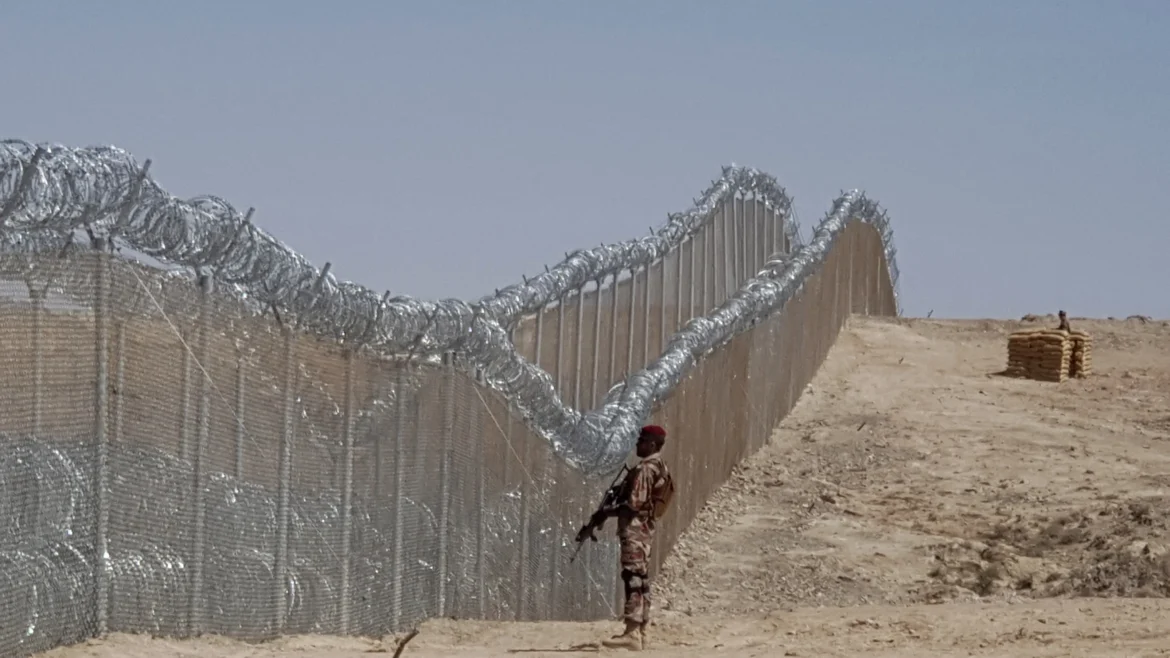
The talks occurred against the backdrop of a sharp deterioration in relations that began in late February, when Pakistan launched Operation Ghazab lil-Haq — a series of airstrikes and ground actions targeting terrorist hideouts inside Afghanistan. The operation was triggered by unprovoked firing from Afghan Taliban forces across the border on the night of Feb. 26. Since then, diplomatic contact between the two capitals has largely ceased. Islamabad has repeatedly accused the Taliban government in Kabul of harboring militants of the Tehrik-i-Taliban Pakistan, the banned Pakistani insurgent group that has dramatically stepped up attacks inside Pakistan since the Taliban returned to power in Afghanistan in 2021. Afghan officials have denied providing sanctuary and have in turn accused Pakistan of violating their sovereignty.
On April 2, Pakistan’s Foreign Office spokesman Tahir Andrabi told reporters in Islamabad that while his government remained open to talks, any credible process would require “visible and verifiable actions” by Afghanistan against terrorist groups operating from its soil. Pakistan had sent its delegation to the Urumqi meetings, Andrabi said, “in line with its consistent position and longstanding practice of supporting a credible process that can lead to a durable solution … to stop border terrorism from Afghanistan.” “The burden of real process, however, lies with Afghanistan,” he added.
The Urumqi meetings came after both sides had already observed brief pauses in military activity. From March 18 to 23, Pakistan halted operations during the Eid al-Fitr holiday. Afghan officials similarly announced a temporary de-escalation. Pakistani diplomats later indicated that quiet requests for restraint from Saudi Arabia, Qatar and Turkey had contributed to the pauses. Even so, the Foreign Office emphasised that the operation would continue “until its objectives are achieved.”Pakistan’s top military leadership has struck a consistently hard line in public.
In early March, Field Marshal Asim Munir, who serves as both chief of army staff and chief of defence forces, said peace between the two countries could prevail only if the Taliban regime “renounced their support for terrorism and terrorist organisations.” The current flare-up is part of a longer pattern of strain that has intensified since the US-led withdrawal from Afghanistan in 2021. Islamabad has watched with growing alarm as the TTP — an umbrella of Pakistani militant factions that fought alongside the Afghan Taliban against US and NATO forces — has regrouped and expanded operations inside Pakistan. Pakistani officials say the group now launches cross-border attacks with relative impunity from Afghan territory.,
China, which maintains close strategic ties with Pakistan and has cultivated working relations with the Taliban authorities in Kabul, has positioned itself as a mediator. Beijing has invested heavily in both countries — through the China-Pakistan Economic Corridor and limited reconstruction aid to Afghanistan — and has a clear interest in preventing instability along its western frontier. The trilateral format used in Urumqi has been employed before, though previous rounds yielded little visible progress on the core security dispute.
Copyright © 2021 Independent Pakistan | All rights reserved