Pakistan is geared to present its case for urgent and united climate action by the comity of nations to help arrest global warming and mitigate the unfolding climate disaster.
By Muhammad Ali
ISLAMABAD: Pakistan Sunday unveiled a grand national plan to tackle climate change, while raising a clarion call that an adequate response to the worsening climate emergency can only be mounted if the wealthiest nations of the world support poorer but vulnerable countries that bear little responsibility for the climate catastrophe.
Pakistan contributes less than 1% to global greenhouse gas emissions, but is among the frontline countries in terms of its outsize exposure to adversities arising out of climate change.
A statement issued by the Ministry of Planning here Sunday said Pakistan is all set to plead its case at the COP28.
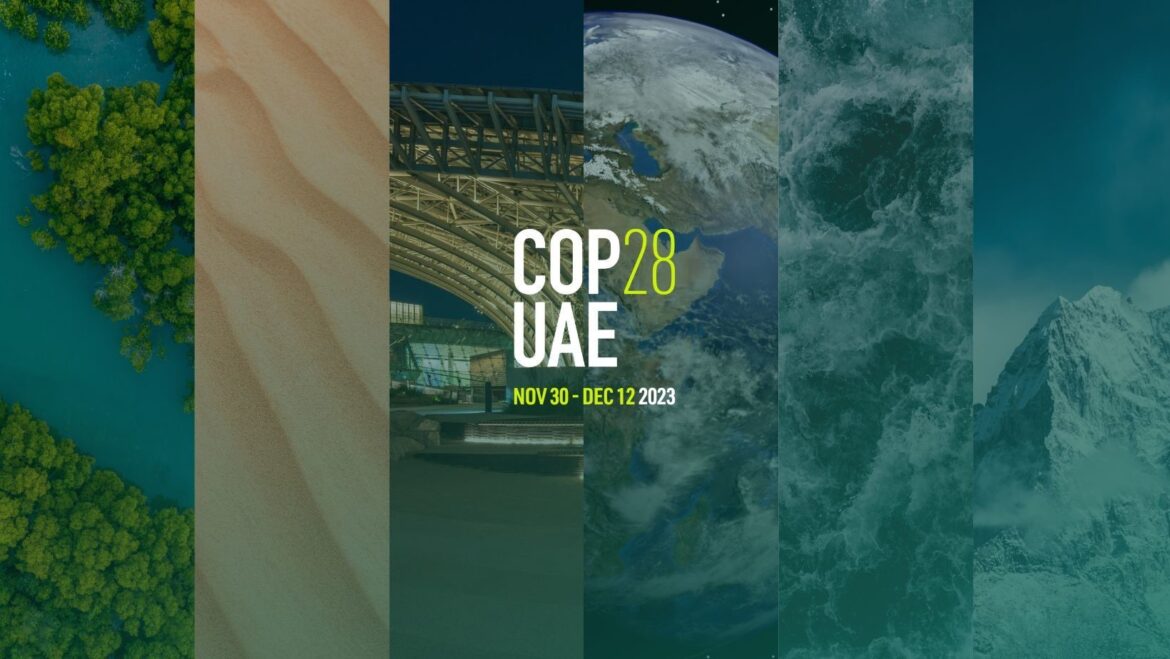
COP28 is the popular moniker for the 2023 United Nations Climate Change Conference or Conference of the Parties of the UNFCCC, scheduled to be held from November 30 to December 12, 2023, at the Expo City, Dubai. It will be the 28th such conference.
The statement came as Pakistan’s Caretaker Prime Minister Anwaarul Haq Kakar landed in the United Arab Emirates to commence a bilateral visit. On the course of his wide-ranging visit, Kakar will represent Islamabad at the inauguration of COP28.
Officials say Kakar will plead Pakistan’s case at a key session of COP28. The Ministry’s statement likely comes in light of his instructions earlier this week to the authorities to make full preparations to present Pakistan’s position at the crucial environment meet.
The statement said Pakistan’s journey offers a compelling narrative of resilience and determination. Pakistan’s vulnerability to climate change is starkly evident. The World Bank notes that the country’s exposure to extreme weather events has risen dramatically, with the recent floods in Balochistan exemplifying this trend.
These floods not only devastated communities but also highlighted the urgent need for climate-resilient strategies.
This disproportionate impact of global climate change on Pakistan has garnered attention at international forums like COP28, where the nation’s efforts and challenges will be under global scrutiny. Despite its minimal contribution to global emissions, Pakistan stands at the forefront of experiencing the harsh realities of a warming planet.
At the heart of Pakistan’s response is the National Adaptation Plan (NAP) 2023, a comprehensive framework aimed at fostering resilience and sustainability.
The Ministry of Planning, Development, and Special Initiatives is aligning the future of Pakistan with the blueprint for a sustainable future, presented by the Ministry of Climate Change and Environmental Coordination.
The NAP 2023 is structured around the following six key pillars, each focusing on a critical area of climate adaptation and resilience.
- Water Resources Management: Focusing on sustainable management and utilisation of water resources to ensure water security in the face of changing climate conditions.
- Agriculture and Food Security: Enhancing the resilience of the agricultural sector to climate change impacts, ensuring food security, and promoting climate-smart agricultural practices.
- Forest and Biodiversity: Conserving and sustainably managing forests and biodiversity to enhance ecosystem resilience and carbon sequestration capabilities.
- Disaster Risk Reduction and Preparedness: Strengthening disaster risk reduction and preparedness mechanisms to reduce vulnerability to climate-induced disasters such as floods, heatwaves, and droughts.
- Infrastructure and Built Environment: Adapting and fortifying infrastructure, including urban and rural settlements, to be resilient against climate risks and impacts.
- Public Health: Addressing the climate change impacts on public health and ensuring the resilience of health systems to cope with climate-induced health challenges.
These pillars collectively aim to build a comprehensive and integrated approach towards making Pakistan more resilient and adaptive to the adverse effects of climate change.
Significant projects under the NAP 2023 highlight Pakistan’s proactive stance towards climate action. The Balochistan Integrated Flood Recovery and Resilience Project (IFRAP), with a $213 million investment from the World Bank, aims to rebuild flood-affected communities with a focus on long-term resilience. This project not only reconstructs infrastructure but also strengthens local capacities to manage future climate risks.
In Sindh, the Coastal Resilience project tackles the challenges posed by rising sea levels and coastal erosion. This initiative is crucial for protecting the livelihoods of communities dependent on fragile coastal ecosystems. It represents a strategic shift towards managing the complex interplay between climate change and socio-economic development.
As the global community converges for COP28, Pakistan’s story is one of resolute action in the face of overwhelming odds. The country’s efforts, guided by the NAP 2023, showcase a commitment to sustainable development and climate action. While the road ahead is fraught with challenges, Pakistan’s journey offers valuable lessons in resilience and adaptability.
The fight against climate change is a global one, requiring concerted efforts from all nations. The wealthiest, contributing significantly to global emissions, have a crucial role in supporting vulnerable countries like Pakistan. The disparity in emissions and impact highlights the need for equity and justice in global climate policies.
While the world looks to COP28 for leadership and commitment, Pakistan’s resolute response to climate change is a reminder that every action counts. From large-scale projects to community-level initiatives, the journey towards a sustainable and resilient future is a collective one. In this endeavour, Pakistan stands as a testament to what can be achieved with vision, commitment, and collective action in the face of climate diversity.
Copyright © 2021 Independent Pakistan | All rights reserved