By Staff Reporter
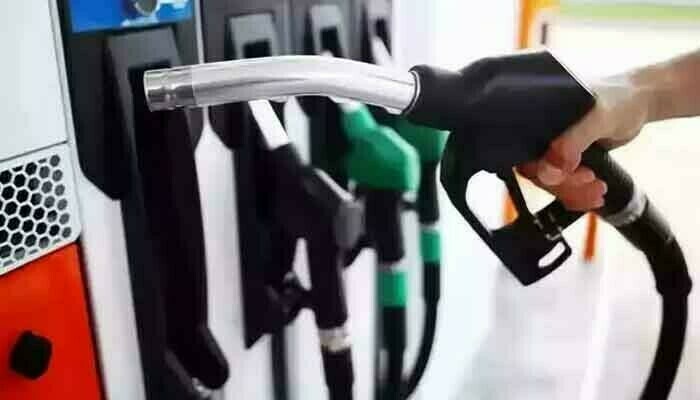
ISLAMABAD: The government on Monday cut petrol by 5.16 rupees a liter to 381.14 rupees and diesel by 7.69 rupees to 389.27 rupees for Tuesday, extending the recent slide in pump prices even with Brent crude hovering near $110 a barrel.
The Petroleum Division’s notification applies to Oct. 20. It follows a 3.93-rupee reduction in petrol, with diesel left unchanged, that covered Oct. 17 to Oct. 19. Petrol was priced at 398.96 rupees on Oct. 9, which puts the latest rate about 18 rupees lower in under two weeks.
The government still levies 114 rupees a liter in taxes and duties on petrol and 100 rupees on diesel, roughly 30% and 26% of the pump price.
Diesel is now about 25% below its April 3 peak of 520.35 rupees, and petrol about 17% below its 458.41-rupee high on the same day. Both remain far above where they stood before the US-Iran war began on Feb. 28. Diesel started its climb from 281 rupees, and petrol from about 266 rupees in the first week of March, leaving them roughly 39% and 43% higher.
Pakistan imports most of its petroleum needs, so swings in crude, freight costs and shipping risk feed quickly into domestic prices. Those prices are shaped by OPEC+ decisions, conflict in the Middle East, sanctions on producers and disruption to chokepoints including the Strait of Hormuz and the Red Sea.
The pricing system has been tightened since the war began. The government set prices weekly from early March, alongside fuel-conservation measures, and in April announced targeted relief to provide subsidised fuel. On July 17, the government said prices would be fixed daily after renewed hostilities between Iran and the US rattled international markets. The cabinet and the prime minister had given the Oil and Gas Regulatory Authority the job of setting them based on global trends.
Prime Minister Shehbaz Sharif announced a relief scheme on Sept. 13 offering 100 rupees a liter off petrol for motorcycles, three-wheeler rickshaws and cars of up to 800cc. It covers an estimated 11.8 million users. About 10 million two-wheeler riders and 800,000 rickshaw users can claim relief on 20 liters a month, a maximum of 2,000 rupees each. Another 1 million small-car owners get relief on 30 liters, worth up to 3,000 rupees.
Four days later, on Sept. 17, the government reinstated austerity measures. Shops, markets, malls, bazaars and grocery stores must close by 9 p.m. throughout the week, marriage halls and other venues hosting events by 10 p.m., and restaurants and cafes by 11 p.m. Takeaway and home delivery are exempt, and fuel allocations for official vehicles have been cut by 50% for three months.
Petrol and diesel are the main revenue earners in the fuel market, with combined monthly sales of about 700,000 to 800,000 tons, against about 10,000 tons for kerosene. Petrol is used mainly in private transport, rickshaws and two-wheelers, so its price hits middle- and lower-middle-income households. Diesel runs heavy transport, power plants and large generators, and its price feeds through to the economy more broadly.
In global markets, Brent futures settled 31 cents lower, or 0.3%, at $109.55 a barrel on Monday as traders booked profits after last week’s rally to a five-month high. West Texas Intermediate rose 2.2% to settle at $103.66, with the front-month contract nearing expiry.
Yemen’s Houthis said they attacked Saudi energy, airport and military targets, including an Aramco facility in Yanbu, the Shaybah oilfield, and airports in Riyadh and Abha. They also said they struck a Yemeni military training camp. Saudi authorities did not immediately confirm the claims, and Reuters could not independently verify them.
Iran’s Revolutionary Guards said, according to Iranian media, that a tanker caught fire and exploded after hitting a naval mine in the southern Strait of Hormuz on Sunday. The Guards’ navy had said on Saturday that two other tankers hit mines, a claim Reuters said it could not independently confirm. Kpler said Gulf crude flows averaged about 8.5 million barrels a day last week, down from more than 20 million the week before.
UBS analyst Giovanni Staunovo said continued strikes on vessels in the strait, and flows still below pre-conflict levels, are supporting prices.
Copyright © 2021 Independent Pakistan | All rights reserved