By Staff Reporter
ISLAMABAD: A French climber died after an avalanche struck a three-member international team attempting to scale K-6, a 7,282-metre peak in Pakistan’s remote northern Karakoram range, a tour operator said on Wednesday, the latest fatality to hit the country’s high-altitude climbing season.
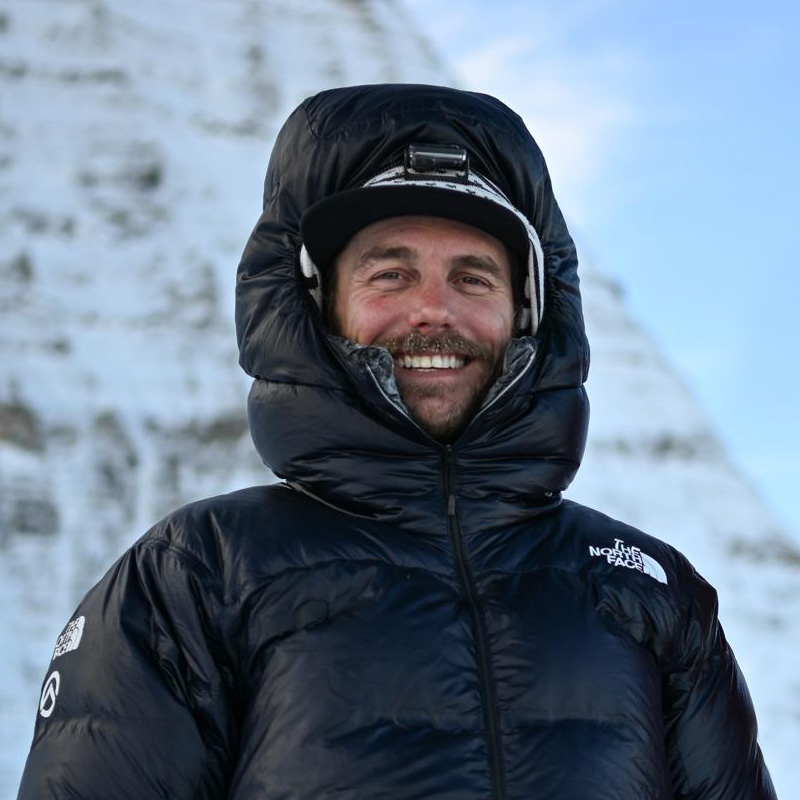
Guillaume Pierrel, 41, was killed on the spot when the avalanche hit the team at around 5,000 metres on the mountain, which lies in the Hushe valley of Gilgit-Baltistan’s Ghanche district. His two teammates — Boris Jule, also French, and Swiss climber Christina Maria — survived unharmed.
The trio had set out on June 6, tour operator Ishaq Ali said. News of Pierrel’s death reached authorities only after his surviving companions used satellite communication to alert relatives in France, who then contacted Ali.
“Through satellite communication, they informed their relatives in France and ultimately, the relatives contacted me at 11am this morning,” Ali said.
A recovery team of local police and volunteers was immediately dispatched to retrieve Pierrel’s body from the mountain.
The death underscores the formidable risks facing climbers in Pakistan’s northern ranges, where rugged terrain, unpredictable weather and the threat of avalanche make even approaches to major peaks hazardous. The country is home to five of the world’s 14 mountains exceeding 8,000 metres, including K2 at 8,611 metres — the world’s second-highest peak — along with Nanga Parbat, Gasherbrum-I, Broad Peak and Gasherbrum-II, drawing hundreds of elite climbers each season.
Despite the dangers, this year’s climbing and trekking season appears to be on track for a strong rebound. Sajid Hussain, assistant director at the Gilgit-Baltistan tourism department, said applications from foreign adventure tourists for climbing and trekking permits have already surpassed last year’s total, with the season running from June through mid-August.
The recovery comes after a difficult 2024, when around 2,000 permits were issued to foreign adventure tourists — down sharply from prior years — as climate-related disasters and heightened tensions along the Pakistan-India border deterred visitors. In the summer of that year, approximately 2,200 foreign adventure tourists, 24,000 foreign tourists travelling without permits, and close to one million domestic tourists visited the region.
Tourism officials had earlier flagged concerns that the now-paused conflict between the United States and Iran, and the associated rise in fuel prices, could weigh on arrivals to Gilgit-Baltistan. Conditions on the ground, however, tell a different story, with officials reporting a surge in both foreign and domestic visitors this season.
K-6, though lower than Pakistan’s celebrated 8,000-metre giants, remains a demanding and infrequently climbed objective. Fatalities on Pakistan’s high peaks are not uncommon: the 2023 and 2024 seasons each claimed multiple lives on K2 and other major summits, as climbers push into increasingly congested and technically unforgiving terrain.
Copyright © 2021 Independent Pakistan | All rights reserved