By Staff Reporter
ISLAMABAD: The government on Tuesday raised the prices of petrol and diesel by almost 20 rupees per liter or 8 percent, the biggest increase in more than a year, citing a surge in global oil prices and pressure from the International Monetary Fund (IMF) to increase revenues.
The move, which comes amid soaring inflation and public discontent, is likely to further erode the popularity of Prime Minister Shehbaz Sharif’s coalition government ahead of a general election expected in November.
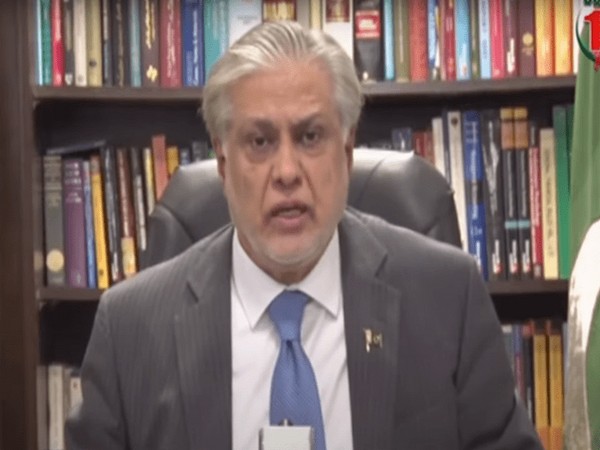
Finance Minister Ishaq Dar announced the new rates in a recorded vedio message , saying the move was necessary to reflect the surge in global oil prices and meet the IMF’s condition of raising the petroleum development levy, a tax on fuel products.
Dar said the price of high-speed diesel (HSD), widely used in transport and agriculture sectors, will go up by Rs19.90 to Rs273.40 per litre, while the price of petrol will increase by Rs19.95 to Rs272.95 per litre.
He said the decision was taken after considering the rise in international oil prices, which jumped from $96.26 per barrel on July 16 to $111.46 per barrel on July 31 for HSD and from $89.14 per barrel to $97.39 per barrel for petrol.
“In the last 15 days, the rates of petroleum products witnessed a significant increase in the international market,” Dar said. “The government intended to provide relief to the masses, however, international prices are not under the control of the government.”
He also said the government had to comply with the IMF’s condition to raise the petroleum development levy (PDL), a tax imposed on fuel products, to Rs60 per litre as part of a $3 billion standby agreement signed in June.
The agreement, which aims to help Pakistan overcome a balance of payments crisis and restore fiscal stability, requires Islamabad to implement a series of painful reforms, including increasing energy tariffs, broadening the tax base, tightening monetary stance and allowing a market-based exchange rate.
Dar said the government had tried to keep the levy below 50 rupees per liter, but did not disclose the exact amount.
He also said the central bank’s decision to keep the policy rate unchanged at 22 percent on Monday was in line with the IMF’s requirement of a tight monetary stance.
The minister did not announce any changes in the prices of kerosene and light-diesel oil, which are mainly used by low-income households.
The fuel price hike is expected to add to the inflationary pressures in Pakistan, which already has one of the highest inflation rates in Asia at over 28 percent in July.
The central bank has kept its policy rate unchanged at 22 percent since May, despite calls from the IMF to maintain a tight monetary stance.
Some analysts, however, expect further rate hikes later this year as inflation is likely to remain above target for some time and the risks to prices are building.
“We doubt this marks the end of the tightening cycle,” said Capital Economics, a global analysis group, in a statement issued Monday.
“With inflation likely to remain above target for some considerable time and the upside risks to prices building, we expect further rate hikes later this year,” it added.
Copyright © 2021 Independent Pakistan | All rights reserved