By Staff Reporter
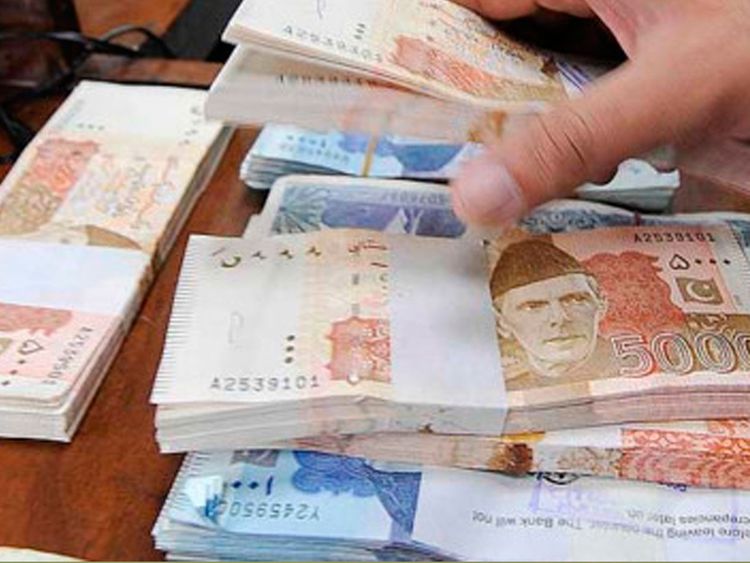
KARACHI: The government borrowed more from commercial banks in the first eleven months and change of the current fiscal year than it did in the whole of FY25, with State Bank data released on Tuesday showing a fresh burst of borrowing in the week before the fiscal year-end.
The central bank’s figures put government bank borrowing in the five working days from June 15 to June 19 at Rs611 billion, or roughly Rs122 billion a day, pushing cumulative borrowing for FY26 past Rs5.529 trillion. That already exceeds the Rs5.434 trillion the government borrowed in the entirety of FY25.
The comparison with last year is stark. By June 20, 2025, cumulative borrowing stood at Rs4.71 trillion. This year’s tally has run well ahead of that pace, and with 11 working days still remaining before the fiscal year closes on June 30, bankers and market watchers expect the government to keep drawing on bank liquidity through to the wire.
The borrowing surge adds to an already heavy domestic debt load. Domestic debt had crossed Rs58 trillion by April, and analysts expect the figure to climb further once June’s numbers are finalised.
Debt servicing squeezing development spending
The scale of borrowing carries direct consequences for the government’s spending priorities. Debt servicing is budgeted at roughly Rs8 trillion for FY27, dwarfing the approximately Rs1 trillion set aside for the federal Public Sector Development Programme in the same year. The gap between the two — eight times over — illustrates how far fiscal room has narrowed under the weight of past and present borrowing.
The SBP data also points to a persistent pattern in bank lending: commercial banks have continued to channel the bulk of their balance sheets into government securities rather than private-sector credit. Where banks have lent to businesses, it has largely been short-term working-capital financing rather than the kind of longer-term credit associated with expansion or new investment.
That pattern has held for much of the past decade, banking sector figures show, with government paper consistently crowding out private borrowers. Bankers say the effect compounds over time: limited credit availability constrains business growth, which in turn limits job creation.
Growth threshold for job creation
Banking economists note that GDP growth below 4 percent is generally insufficient to generate meaningful employment or lift government revenues significantly — a threshold Pakistan has struggled to sustain in recent years. They also point to chronic underspending on the PSDP itself, which has weakened its capacity to act as a driver of growth even when funds are allocated.
With the fiscal year’s final stretch still to play out, analysts said the coming days would show whether government borrowing eases or continues at its current pace as departments finalise year-end liquidity needs.
Copyright © 2021 Independent Pakistan | All rights reserved