By Staff Reporter
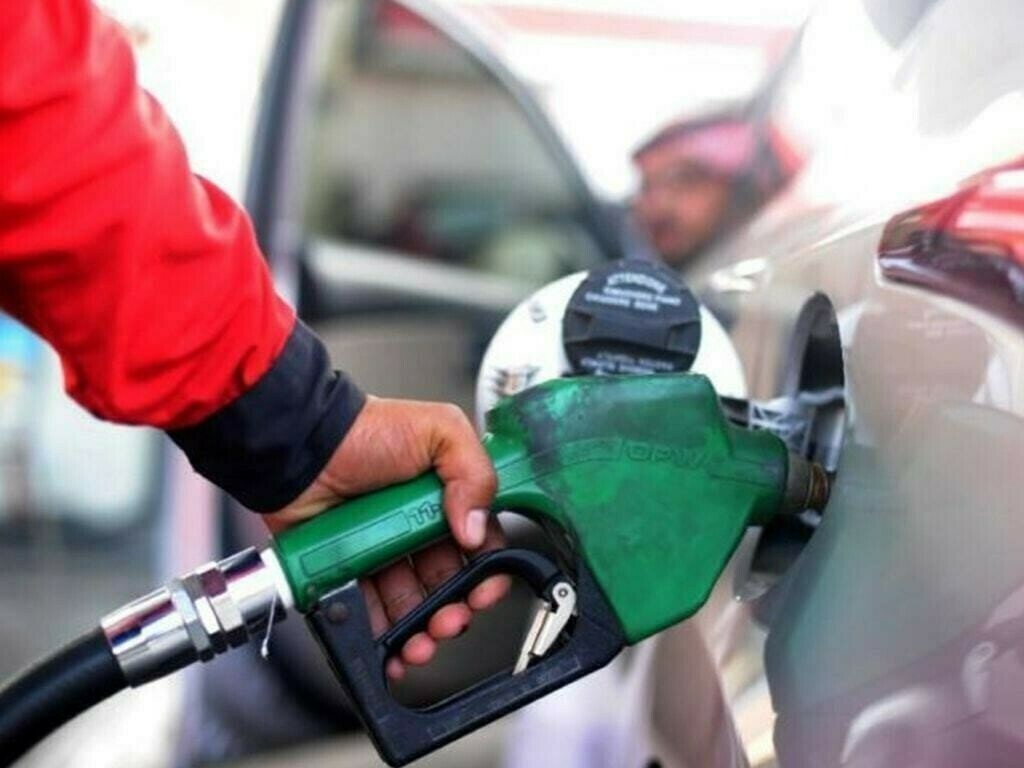
ISLAMABAD: Pakistan cut retail fuel prices for a second straight period on Monday, with petrol falling 4.08 rupees a liter and diesel dropping 2.45 rupees, as the government passed through a retreat in global oil prices triggered by President Donald Trump’s decision to shelve a planned strike on Iran.
The new rates — 331.95 rupees a liter for petrol and 389.93 rupees for high-speed diesel — take effect Tuesday, according to a notification from the Petroleum Division. Government levies remain unchanged at 110 rupees a liter on petrol and 96 rupees on diesel, meaning taxes still account for roughly a third of the pump price.
Trump said Saturday he was calling off a strike that would have targeted Iranian energy infrastructure, citing progress in cease-fire talks and describing an emerging deal that would reopen the Strait of Hormuz to commercial traffic. The reprieve arrived after weeks of escalation: Washington had signaled plans for strikes as soon as this past weekend, and the president said just two days earlier that the US was “locked and loaded” to hit Iran at a scale unseen since World War II.
The de-escalation has proven fragile. Iran said Monday that no talks were actually scheduled to resume, contradicting Trump’s account and extending a pattern of whiplash that has characterized the conflict since it began in February. A cease-fire brokered in April collapsed within weeks after Pakistan was accused of breaking the truce, and a subsequent accord signed in June — the so-called Islamabad peace deal — gave way to renewed hostilities in July.
That volatility has been etched directly into Pakistani motorists’ fuel bills. Diesel peaked at 520.35 rupees a liter on April 3, having climbed from 281 rupees when the war first erupted in late February. Petrol followed a similar arc, rising from 266 rupees in early March to an all-time high of 458.41 rupees by April 3 — a record that stood until this year’s series of relief cuts began chipping away at it.
Daily Pricing Replaces Weekly Reviews
Monday’s cut is the latest under a new pricing regime the government introduced July 17, when it began adjusting fuel prices daily rather than weekly to keep pace with swings in international crude markets tied to the Middle East conflict. The Oil and Gas Regulatory Authority calculates the rates using a seven-day rolling average of global benchmark prices, a shift from the fixed weekly reviews Islamabad had relied on since the war’s outbreak in early March.
The move follows a modest interim adjustment: petrol had fallen just 12 paisas and diesel 66 paisas under rates that applied from August 1 through August 3, before Monday’s steeper reduction reflected the more pronounced drop in international prices following Trump’s stand-down.
Petroleum Minister Ali Pervaiz Malik said the cabinet and prime minister assigned Ogra the daily pricing authority specifically because of the volatility unleashed by the renewed US-Iran hostilities. The government had already rolled out weekly price revisions and fuel-conservation measures in early March as the conflict raised the specter of supply disruptions, followed by targeted subsidies for consumers in April.
Not everyone has welcomed the shift. The All Pakistan Dealers Association rejected the daily pricing mechanism and said it was weighing a protest campaign, though it didn’t specify a timeline or the scale of action under consideration.
Middle and Working Classes Most Exposed
The price swings carry outsized weight for Pakistan’s middle and lower-income households. Petrol is the primary fuel for private cars, motorcycles and rickshaws — the backbone of urban transport for millions of commuters — while diesel powers the heavy trucking fleets, power plants and industrial generators that keep goods moving and, in many areas, keep the lights on during load-shedding.
Petrol and diesel together dwarf other refined products in the domestic market, with combined monthly sales of roughly 700,000 to 800,000 tons, versus barely 10,000 tons for kerosene — underscoring just how central the two fuels are to both consumer budgets and industrial activity nationwide.
Import Dependence Deepens Exposure
The swings underscore a structural vulnerability that Pakistan’s own economic planners have flagged repeatedly. Petroleum products rank among the country’s largest import categories, according to the Pakistan Economic Survey 2024-25, and domestic refineries cover only a fraction of national demand — leaving the rest to be met through imports of crude and refined products. Every rise in global oil prices widens Pakistan’s import bill, strains foreign-exchange reserves already under pressure, and feeds directly into inflation.
That exposure is a legacy of policy choices as much as geography. Islamabad has historically leaned on subsidies and administrative price controls to shield consumers from global swings, a strategy that softened the blow at the pump but left oil marketing companies, refineries and the federal budget absorbing the difference. When successive governments delayed passing on higher international prices, the resulting fiscal gap widened deficits, pushed up public borrowing and chipped away at broader macroeconomic stability — a dynamic that helps explain the shift toward faster, more frequent price pass-through under the current mechanism.
The risks, meanwhile, aren’t confined to the current conflict. OPEC+ output decisions, sanctions on producer nations and disruptions along critical routes such as the Strait of Hormuz and the Red Sea all carry the potential to jolt crude prices and freight costs with little warning. Given how heavily Pakistan relies on imports to meet its energy needs, any of those shocks would likely show up at the pump — and in household budgets — within days.
Copyright © 2021 Independent Pakistan | All rights reserved