By Staff Reporter
KARACHI: Pakistan is among the Asian economies most at risk of rapid energy shortages if disruptions to Gulf shipping continue, according to analysis from energy data provider Kpler, the Council on Foreign Relations and reporting by the Financial Times.
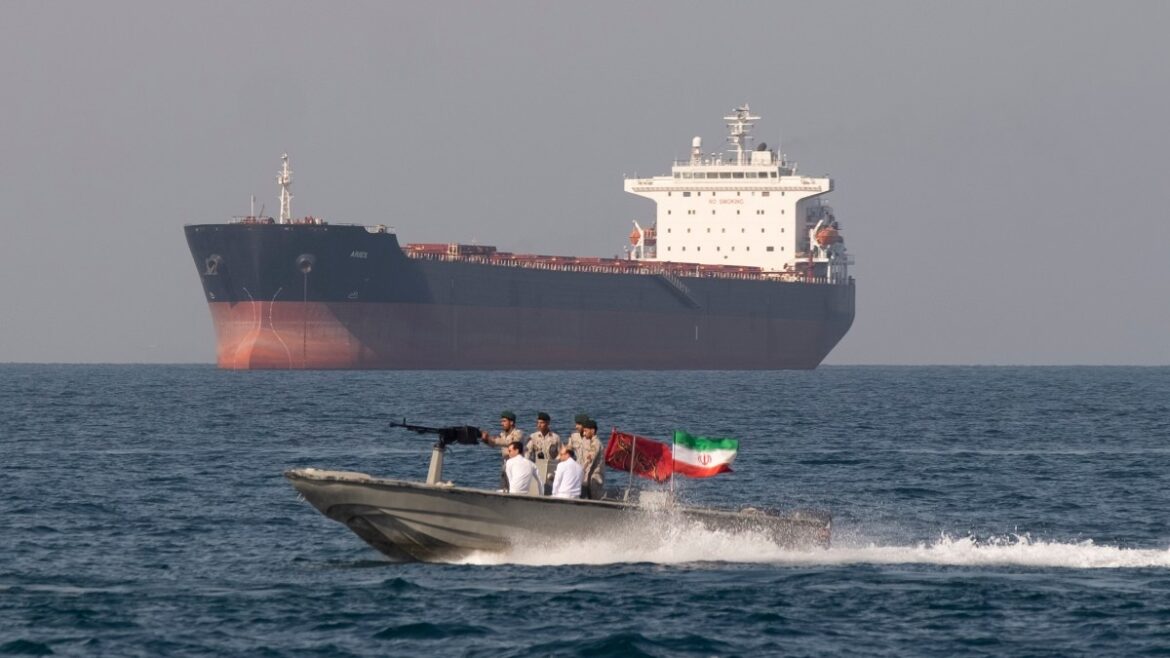
The country sources 99% of its liquefied natural gas imports from Qatar and the United Arab Emirates, making it acutely vulnerable to any interruption in flows through the Strait of Hormuz, the narrow chokepoint now strained by the 20-day-old Middle East conflict. A large share of Asia’s LNG, including Pakistan’s supplies, originates in the Gulf and must transit the waterway.
“Pakistan and Bangladesh have limited storage and procurement flexibility, meaning disruption would likely trigger fast power-sector demand destruction rather than aggressive spot bidding,” Go Katayama, principal insight analyst at Kpler, said in international coverage. With minimal buffer capacity and few alternative suppliers, even a short-term shock to shipments would force immediate curtailments to power plants and energy-intensive industries, analysts warned. That would revive the threat of widespread load-shedding and industrial slowdowns in an economy that lacks the strategic reserves or diversified sourcing available to larger nations.
A study released March 18 by the Council on Foreign Relations highlighted South Asia as facing some of the sharpest consequences from any sustained disruption to Gulf energy routes. Pakistan’s 99% dependence on Qatari and Emirati LNG dwarfs the exposure of its neighbors: Bangladesh receives about 72% of its LNG from those sources, while India gets roughly 53%. In absolute volume terms India’s exposure is the largest, but Pakistan is the most concentrated.
The CFR report also pointed to the political dangers that accompany fuel shortages and price spikes across the region, where past supply crunches have triggered protests that sometimes turned violent. In Bangladesh, already grappling with a structural gas deficit of more than 1,300 million cubic feet per day, authorities closed universities and deployed the military to guard oil depots to avert unrest, Reuters reported. Officials called the measures “extraordinary steps to prevent protests and maintain order around fuel supplies.”
The CFR warned that if the conflict drags into summer, the consequences for Asian growth and political stability could be calamitous. For Pakistan, , whose near-total reliance on Gulf LNG leaves it with almost no margin for error, the immediate threat is physical supply security — a shock that could quickly translate into deeper power outages, industrial disruption and fresh economic pressure.
India, which imports more than half its LNG and about 60% of its crude oil from the Middle East, would face a “dual physical and financial shock” from any jump in Brent-linked prices, Reuters noted. Across the region, governments are engaged in what the CFR described as “constant energy triage,” shortening workweeks, urging cuts in air-conditioning use and drawing down whatever strategic stocks they hold. “Countries without significant reserves are being forced into hard choices between rationing and economic contraction,” the report said. Malaysia and Brunei are net oil exporters, while Japan and China maintain larger stockpiles.
Elsewhere, the effects are already visible. Factories in export-driven economies are idling or running reduced shifts. Tourism, a key earner for Thailand and Vietnam, is suffering from higher jet-fuel costs and waning traveler confidence; Thai arrivals dropped about 9% year-on-year in the first week of March, with occupancy in major destinations reportedly as low as 10%.If the conflict extends into summer, the CFR warned, the damage to Asian growth and political stability could prove severe.
Separately, Iranian strikes have damaged facilities in Qatar, knocking out 17% of the country’s LNG export capacity and prompting force majeure declarations on long-term contracts, QatarEnergy Chief Executive Officer Saad al-Kaabi told Reuters on Thursday. Two of Qatar’s 14 LNG trains and one gas-to-liquids plant were hit; repairs will sideline 12.8 million tons a year of LNG for three to five years, he said, at an estimated annual revenue loss of $20 billion.
The force majeure applies to supplies bound for Italy, Belgium, South Korea and China. Al-Kaabi, who is also Qatar’s minister of state for energy affairs, described the attacks as unthinkable, especially “from a brotherly Muslim country in the month of Ramadan.” “I never in my wildest dreams would have thought that Qatar would be — Qatar and the region — in such an attack, especially from a brotherly Muslim country in the month of Ramadan, attacking us in this way,” said al-Kaabi. The strikes followed Israeli attacks on Iranian gas infrastructure.
QatarEnergy had already declared force majeure on its entire LNG output after earlier strikes on the Ras Laffan hub, which was hit again on Wednesday. Production cannot resume until “hostilities cease,” he added. The fallout extends beyond LNG. Qatar’s condensate exports will drop about 24%, liquefied petroleum gas 13%, helium 14%, and naphtha and sulfur 6% each. Those cuts will ripple through markets from Indian restaurants reliant on LPG to South Korean chipmakers using helium. Al-Kaabi said the damage has set the region back 10 to 20 years and shaken Qatar’s image as a safe haven. “If Israel attacked Iran, it’s between Iran and Israel. It has nothing to do with us and the region,” he said. “Everybody in the world, whether it’s Israel, whether it’s the US, whether it’s any other country, everybody should stay away from oil and gas facilities.”
Copyright © 2021 Independent Pakistan | All rights reserved