By Staff Reporter
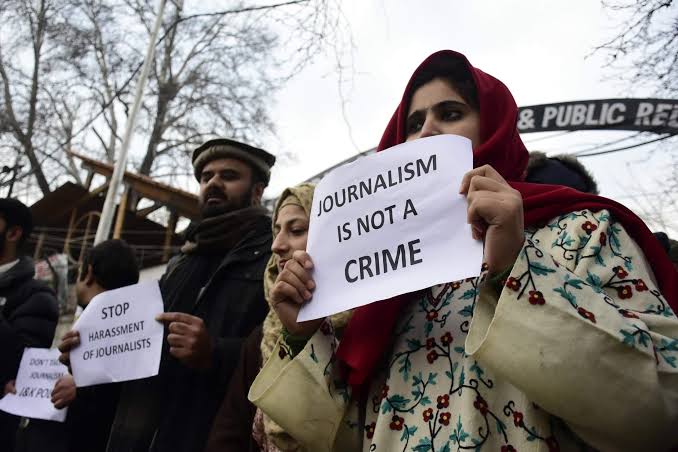
ISLAMABAD: Threats against journalists in Pakistan rose sharply in the second quarter of 2026, with state institutions identified as the driving force behind the majority of cases, according to new research published by a leading media watchdog.
The Freedom Network’s latest quarterly threat assessment, released on Tuesday, documented 22 verified cases of intimidation against journalists and media workers between April and June, up 22 percent on the 18 incidents recorded in the first three months of the year.
Punjab accounted for the overwhelming share of the violations, with 15 of the 22 cases originating in the province — nearly double the eight recorded there in the first quarter. The province has now registered itself as by far the most dangerous place in the country to practise journalism, a position it has held since the start of the year.
Khyber Pakhtunkhwa, previously the second most perilous region for reporters, saw a modest improvement, with cases falling from five to three. Sindh and Balochistan each recorded a single incident in both quarters, while Islamabad Capital Territory and Gilgit-Baltistan each logged one case during the second quarter. No verified incidents were reported from Azad Jammu and Kashmir.
State institutions identified as principal threat
The report’s most striking finding was the extent to which state bodies, rather than criminal or militant groups, were responsible for the intimidation documented. State actors were identified as the principal threat in 15 of the 22 cases — 68 percent of the total — pointing to what the watchdog described as the growing use of legal and administrative machinery to restrict press freedom.
Those working on stories involving corruption, governance and matters of public interest were found to be the most exposed, particularly journalists operating through digital platforms. The review recorded six instances of actual legal action taken against journalists, four threats of legal action, three arrests, two assaults resulting in injury, two assaults without injury, three threats of harm, two threats to murder, and single cases each of attempted murder and kidnapping.
Several of the journalists named in the report — among them Fakharur Rehman, Razi Tahir, Adnan Rawat, Arslan Shaukat Mahandrah, Maqbool Jaffar, Imtiaz Chandio, Muhammad Saad, Abdul Sattar Baloch, Habibullah Malik and Shakeel Ahmad Baloch — faced investigations or criminal proceedings brought under the Prevention of Electronic Crimes Act, anti-terrorism legislation and other statutes. The Freedom Network said the cases reflected a continuing pattern in which legal and regulatory mechanisms were being deployed against reporters working in print and broadcast media, as well as against individuals expressing dissenting views online.
Physical attacks continue alongside legal pressure
Although legal and administrative measures dominated the picture, physical violence against journalists remained a serious concern over the quarter. In Punjab’s Vehari district, journalist Abdul Ghaffar survived an attempt on his life. In Bahawalpur, Mian Zahid Owaisi, a crime reporter, was left with serious injuries after being set upon by a group of unidentified attackers.
“I believe I was targeted because of my reporting,” Owaisi told the Freedom Network. “A group of attackers assaulted me with sticks and clubs, leaving me seriously injured.”
Further incidents involving journalists Shakeel Ahmad, Hidayatullah and Amir Chand Khan pointed to a wider pattern in which reporters covering corruption, crime and local administrative affairs continued to face violence and intimidation while working in the field.
The watchdog also highlighted a rise in death threats and other forms of intimidation directed at journalists following the publication of investigative reports into government institutions, local administrations and public officials — a trend it said underscored deepening hostility towards accountability journalism in the country.
Digital journalists increasingly exposed
The quarter also brought mounting pressure on journalists working through digital channels, with YouTubers, freelancers and social media commentators increasingly drawn into criminal prosecutions and regulatory action, the report found. This mirrors a wider trend identified in the Freedom Network’s most recent annual assessment, which pointed to amendments made to the Prevention of Electronic Crimes Act as among the most consequential tools now being used to restrict journalists and curb free expression in Pakistan.
Notably, the overwhelming majority of cases documented during the second quarter involved male journalists. No verified case involving a woman journalist was recorded during the period.
Copyright © 2021 Independent Pakistan | All rights reserved