By Staff Reporter
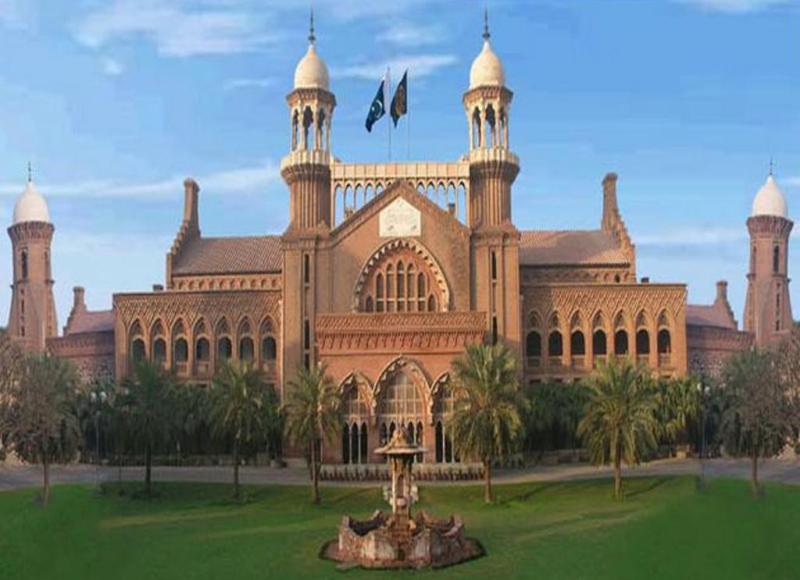
LAHORE: The Lahore High Court on Monday suspended a contentious new law aimed at resolving provincial property disputes, warning that it undermined judicial authority and could lead to arbitrary seizures of land, even from powerful figures.
The interim order by Chief Justice Aalia Neelum halts the operation of the Punjab Protection of Ownership of Immovable Property Ordinance, 2025, which empowers committees led by deputy commissioners to decide disputes and hand over possession of properties within 90 days. The ruling came during a hearing on petitions filed by Abida Parveen and others challenging decisions made under the ordinance, and it also suspends any actions already taken to transfer properties.
“Someone should inform the government that if this law remains in force, even Jati Umra could be vacated within half an hour,” Justice Neelum said, referring to the sprawling residence of the ruling Sharif family, which includes Punjab’s chief minister, Maryam Nawaz, and former Prime Minister Nawaz Sharif.
The ordinance, approved by Maryam Nawaz on Oct. 31, was intended to protect lawful property owners from illegal occupation by granting broad powers to dispute resolution committees chaired by deputy commissioners and to tribunals headed by retired or district judges. It criminalises illegal possession, with penalties of five to 10 years in prison and fines up to one million rupees.
But Justice Neelum lambasted the measure as an overreach that dismantled civil rights and judicial supremacy. “It appears that some people want to hold all powers,” the provincial chief justice said. She questioned how a revenue officer could execute possession of a property already under consideration in a civil court. “You have eliminated the civil setup and civil rights,” Justice Neelum added. “If it were up to you, you would even suspend the Constitution.”
The judge highlighted the lack of safeguards, noting that affected individuals have no right to appeal if a deputy commissioner hands over their property to someone else. “The new law does not allow the high court to grant a stay in such matters,” she said. Justice Neelum also pointed out that the law allows complaints based on false documents or fake registrations, and warned that committees could intimidate people by threatening police action.
She cautioned that revenue officials, known as patwaris, given authority under the ordinance might collude with land-grabbing groups. Punjab’s chief secretary and other officials attended the hearing, but the advocate general was absent. Government counsel explained that the law officer was ill. Justice Neelum, who said she had also been advised bed rest but was presiding anyway, expressed frustration at the no-show.
She asked the chief secretary whether he had even read the law, suggesting it was designed to confer unchecked powers. The court removed all objections to the petitions, ordered the repossession of any properties allocated under the ordinance and recommended forming a full bench to handle the case further. The hearing was adjourned.
In a previous session on the petitions, Justice Neelum had questioned the role of a new enforcement force under the Punjab Enforcement Regulatory Authority in property matters. She remarked that patwaris and assistant commissioners “seem to have developed a desire to become judges,” and challenged the jurisdiction of a patwari to intervene in a dispute pending before the Supreme Court.
A Punjab law officer said the government could appeal the interim order to the Supreme Court or the Federal Constitutional Court, as the case involves a question of law. The officer added that the province might ask the proposed full bench to review the stay, though the chances of success through that path were slim.
The ordinance was promulgated amid rising concerns over land disputes in Punjab, Pakistan’s most populous province, where illegal occupations have long plagued property owners. Supporters argued it provided swift remedies, but critics, including the petitioners, contended it bypassed established courts and risked abuse by administrative officials.
Copyright © 2021 Independent Pakistan | All rights reserved