By Staff Reporter
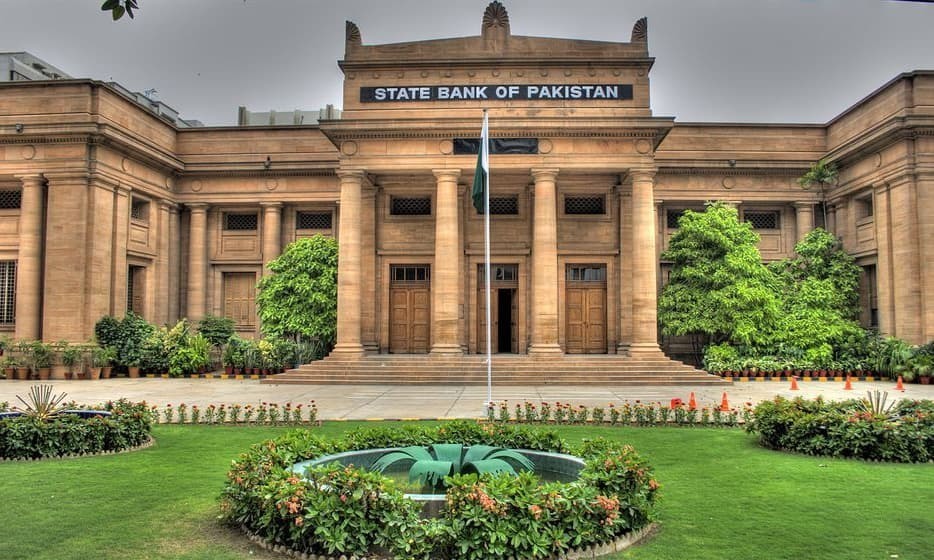
KARACHI: The State Bank of Pakistan kept its benchmark interest rate unchanged at 22 percent on Thursday, defying market expectations of a hike to curb inflation and support the rupee, which has plunged to record lows in recent months.
The State Bank of Pakistan (SBP) said it expected inflation to peak in September and then ease in the coming months, citing improved agricultural outlook, a narrowing current account deficit and a crackdown on illegal foreign exchange transactions.
The decision surprised analysts, who had predicted an increase of at least 150 basis points, or 1.5 percentage points, to rein in inflation, which hit 27.4 percent in August.
Some analysts said the central bank was being too optimistic about inflation and the currency, and warned that it might have to raise rates again soon if the situation worsened.
“The SBP has taken a very optimistic view of the inflation outlook and the currency stability,” said Mohammed Sohail, chief executive of Topline Securities, a Karachi-based brokerage firm.
He said there was a high risk that inflation may remain higher than the SBP estimate due to rising global oil prices and adjustment in energy prices in Pakistan.
The central bank governor, Jameel Ahmad, said in an analyst briefing that the decision to keep rates steady had taken into account the recent measures taken by the authorities to curb illegal foreign exchange transactions, which he said had helped stabilize the currency market.
The rupee has slid to all-time lows against the dollar, falling 6.2 percent in the last month alone, though it has recovered some ground in recent days after a crackdown on illegal foreign exchange transactions.
The SBP said it noted four key developments since its July meeting, when it also kept the rate unchanged.
“First, agriculture outlook has improved, based on the latest data on cotton arrivals, better input conditions, and satellite data indicating healthy vegetation of other crops,” it said in a statement.
“Second, global oil prices have been rising and are now hovering over $90/barrel level.”
“Third, as anticipated, the current account posted a deficit in July after remaining in surplus for the last four months, partly reflecting the impact of the recent ease in import restrictions.”
“Finally, recent administrative and regulatory measures aimed at improving availability of essential food commodities and curbing illegal activities in the foreign exchange market have begun to yield results. This has helped in narrowing the gap between the interbank and open market exchange rates.”
The statement said the SBP will continue to monitor the risks to the inflation outlook and, if required, it will take appropriate action to achieve the objective of price stability.
“At the same time, the SBP also stressed on maintaining a prudent fiscal stance to keep aggregate demand in check. This is necessary to bring inflation down on a sustainable basis and to achieve the medium-term target of 5-7 percent by end-FY25,” it added.
The bank also said it was confident that the government would meet the fiscal targets agreed with the International Monetary Fund (IMF), which approved a $3 billion loan program for Pakistan in July to help the country cope with a balance of payments crisis.
The IMF program requires Pakistan to implement tough reforms, including raising interest rates, devaluing the currency, cutting subsidies and increasing taxes, to reduce its fiscal deficit and improve its external position.
The central bank has raised its policy rate by 12.25 percentage points since April 2022 as part of its commitment to the IMF. The last time it kept the rate unchanged was in July this year.
Fahad Rauf, Head of Research at Ismail Iqbal Securities, a Karachi-based brokerage firm, said the decision to leave rates unchanged was warranted as there were no signs of an overheating economy, and that a rate hike in a cost push inflationary environment would have little benefit.
Cut-off yields in a recent treasury bill auction showed that investors were expecting higher interest rates in the future, he added.
Copyright © 2021 Independent Pakistan | All rights reserved