By Staff Reporter
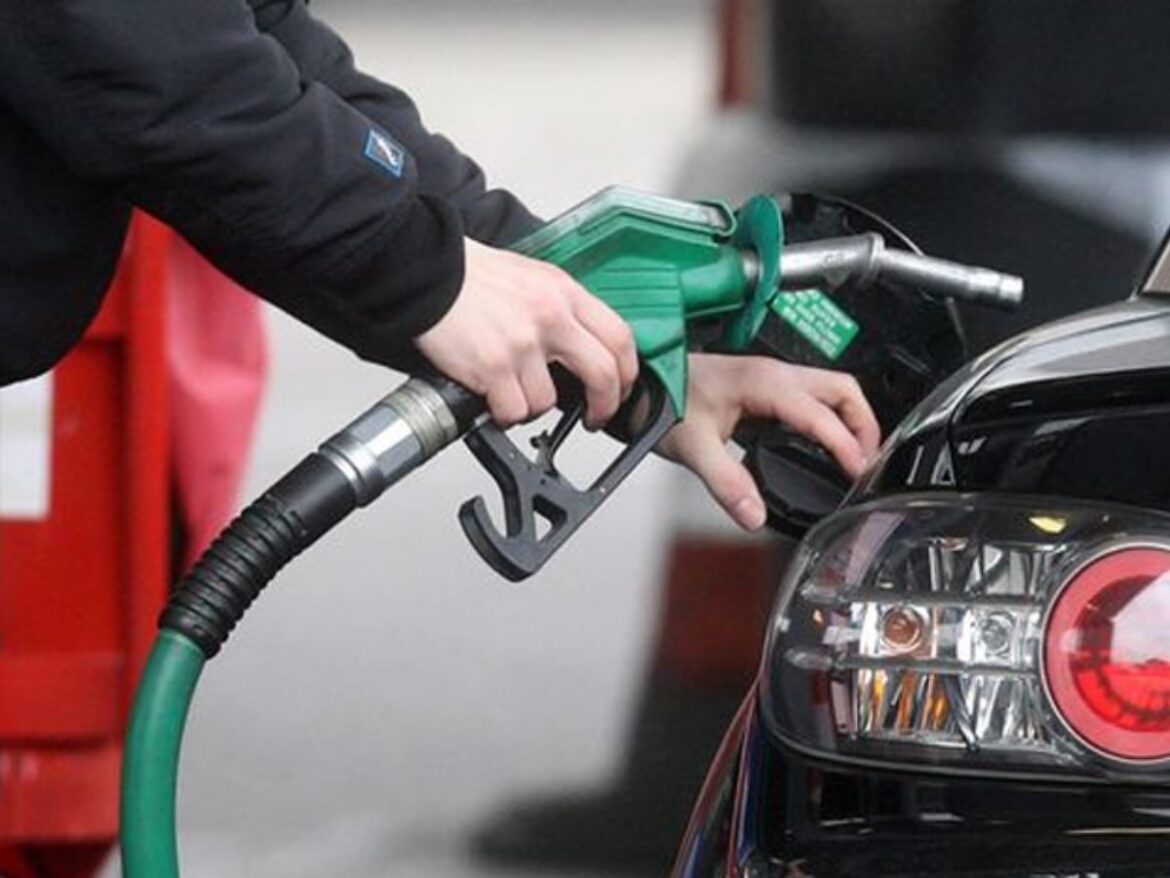
ISLAMABAD: Prime Minister Shehbaz Sharif banned the use of high-octane fuel in all government vehicles on Monday, the latest austerity step as the country confronts the economic fallout from soaring global oil prices triggered by conflict in the Middle East.
The directive follows a decision the previous day to raise the petroleum levy on the premium fuel by Rs200 a liter, bringing the total to Rs300. Officials who require high-octane for state cars must now cover the cost themselves rather than bill the government. “If necessary, the officials will have to bear the cost of high-octane fuel from their own pocket,” the Prime Minister’s Office quoted Sharif as saying.
The premier called for maximum fuel conservation in response to the global oil crisis stemming from the US-Israel war on Iran and Iran’s retaliatory strikes on US air bases and other facilities, including oil refineries in Gulf states. The levy hike, announced Sunday, targeted only high-octane fuel used in luxury vehicles. Prices for ordinary fuels consumed by lower- and middle-income groups were left untouched to prevent any increase in public transport fares or air travel costs.
Taken together, the steps are projected to save the government Rs9 billion a month. Sharif has directed that the funds be redirected to provide relief for citizens, government statements said. The richest segment of the population will shoulder the burden, easing the overall strain on the economy.
The ban forms part of a wider package of spending curbs unveiled two weeks ago to cope with the fuel crisis. Those measures include a 50% reduction in fuel allowances for official vehicles, the grounding of nearly 60% of the government fleet, a four-day work week for offices and a requirement that half of public-sector employees work from home, with exemptions for those providing essential services.
On Thursday, authorities appealed to the public to adopt fuel-saving practices to head off any risk of petroleum supply disruptions in the coming days. The following day, Sharif said he had rejected proposals for further across-the-board increases in petroleum product prices. Instead, he instructed ministries to design mechanisms ensuring any relief reaches only those who need it most. Oil prices swung between gains and losses Monday as investors balanced escalating US and Iranian threats to energy facilities against the release of millions of barrels of seaborne Iranian crude following Washington’s temporary lifting of sanctions.
Copyright © 2021 Independent Pakistan | All rights reserved