By Staff Reporter
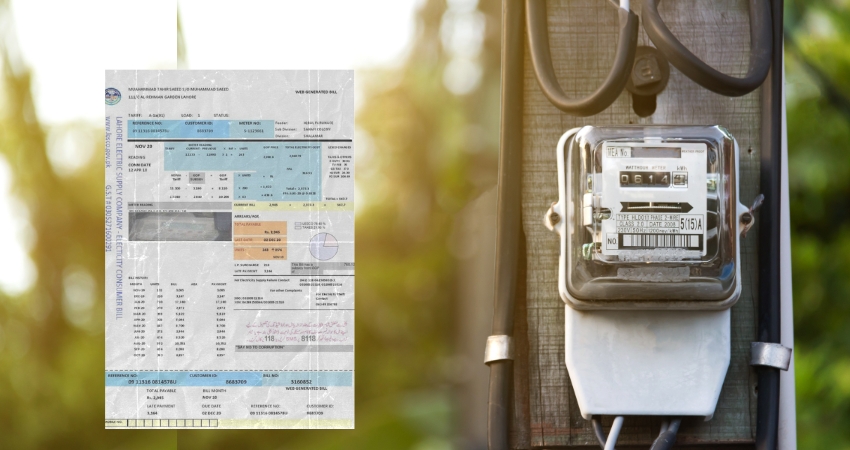
ISLAMABAD: Pakistan said it will limit the increase in electricity fuel-cost charges to about 83 paise per unit for October through December, scaling back a request for 2.88 rupees that the power regulator was weighing at a public hearing on Thursday.
The Power Division said it has proposed a Forward-looking Fuel Cost Adjustment mechanism that would hold the rise to roughly Rs0.83 per unit, inclusive of taxes, over the September fuel cost adjustment. The policy replaces monthly adjustments with a fixed quarterly figure. The statement was issued while the National Electric Power Regulatory Authority was hearing the higher request.
The petition was filed by the Central Power Purchasing Agency on behalf of all power distribution companies, including K-Electric. It sought an increase of Rs2.8819 per unit over a reference fuel cost of Rs7.8696 per kilowatt-hour for October 2026.
Mehfooz Bhatti, the Power Division’s additional secretary, told the hearing that both the government and consumers were facing growing price shocks from volatile fuel supplies. The strain is worst in winter, when cheaper hydropower output falls sharply, he said.
Bhatti said the government had been working since the war-related disruptions began to hold additional fuel-cost shocks to Rs2 to Rs2.5 per unit. It did so by supplying scarce, expensive imported liquefied natural gas at local gas rates, among other steps.
“We are bringing up a tariff band that provides pricing predictability as always demanded by the industry,” Bhatti said. He said the government had secured a policy directive from its appropriate forums covering October through December.
The policy guidelines under Section 31(4) of the Nepra law would be placed before the regulator by Friday morning, he said. He asked Nepra to call an early public hearing if needed to shield consumers from a major price shock and to address the October adjustment. “This is a government decision,” Bhatti said.
Amina Ahmed, Nepra’s member for tariff, welcomed the move and said the regulator would complete its “due diligence as soon as possible.” “The concept is very welcome,” she said, adding that a technical review would follow once the regulator received the formal policy guidance.
In its statement, the Power Division said the move follows an earlier cut in tariffs. The national average tariff, including taxes, stood at Rs53.04 per unit when the government took office in March 2024, and the industrial rate was Rs62.99. By March 2026, before the Iran-US war and the ensuing energy crisis in the Middle East, the average had fallen by Rs8.76 to Rs44.28. The industrial rate dropped Rs18.49 to Rs44.50 over the same period.
The war then triggered a sharp rise in international fuel prices, particularly for regasified LNG and coal, which pushed up monthly fuel cost adjustments, the Division said. It cited a publicly announced load-management strategy and optimised use of available fuel supplies for limiting the impact. It said these steps shielded consumers from a potential additional increase of Rs6 to Rs7 per unit between April and September 2026. The combined fuel cost and quarterly tariff adjustment increase over that period was held to an average of Rs2.38 per unit, including taxes, it said.
Winter compounds the problem, according to the statement. Thermal fuels account for more than 80% of generation in some winter months as hydropower output declines, which traditionally lifts fuel costs. Elevated international prices following the war added the risk of a substantial jump in monthly adjustments, it said.
Following the requisite approvals, the Power Division will issue policy guidelines to Nepra for implementing the mechanism, it said. A more predictable electricity price gives businesses a firmer basis for planning operating costs, and it removes the uncertainty of monthly adjustments, the Division said.
“The government remains committed to protecting consumers and supporting economic activity during these challenging times,” the statement said. The Division said it will keep monitoring international fuel markets.
Copyright © 2021 Independent Pakistan | All rights reserved