By Staff Reporter
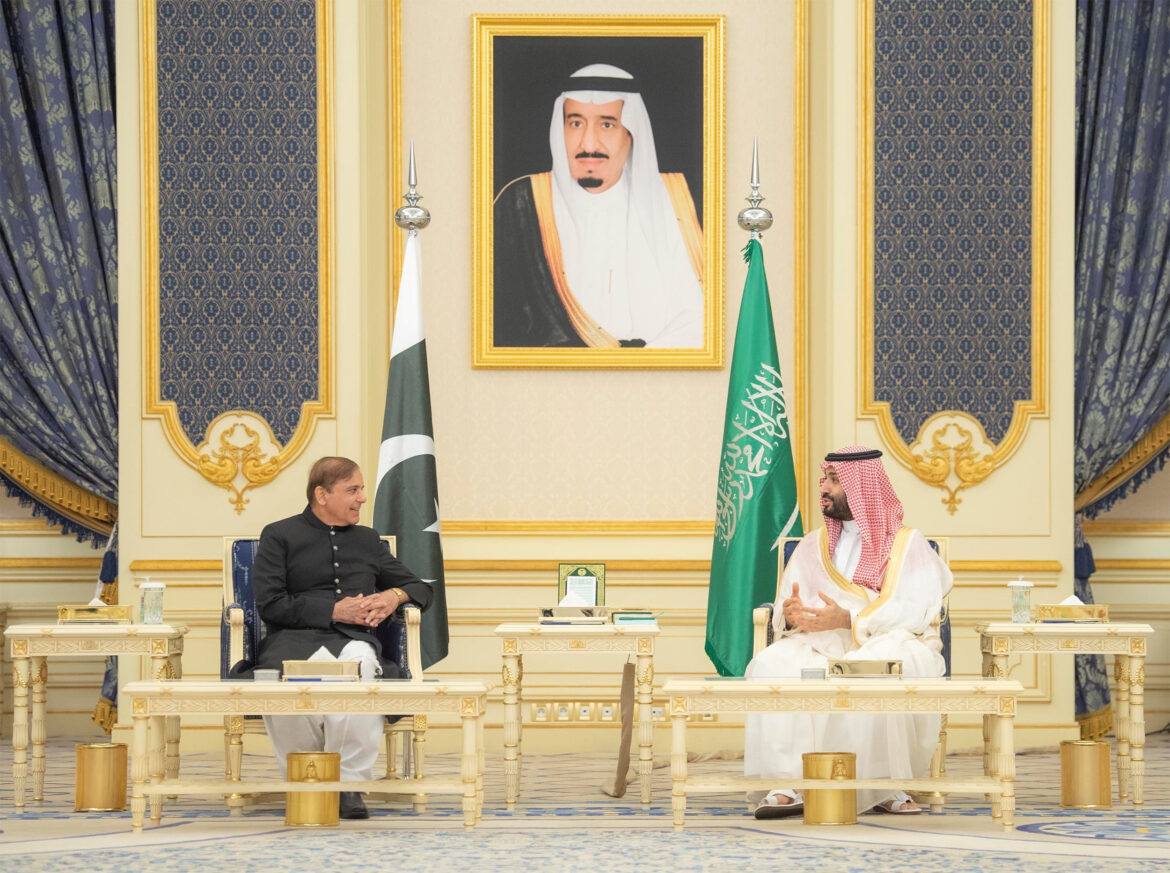
ISLAMABAD: Prime Minister Shehbaz Sharif has condemned Houthi attacks on Saudi oil tankers in the Red Sea, pledging his country’s full solidarity with Riyadh in a telephone call with Crown Prince Mohammed bin Salman, as fears grow that the widening Middle East conflict is drawing in one of the world’s busiest shipping corridors.
Sharif spoke to the Saudi crown prince and prime minister on Thursday morning, hours after Yemen’s Houthi movement said it had struck two Saudi-flagged tankers with a barrage of ballistic and cruise missiles and drones. One of the vessels, the Encelia, was left ablaze at the bow after being hit some 70 nautical miles southwest of the Saudi port of Al Shuqaiq, according to maritime security sources and the kingdom’s state news agency. All crew members were reported safe.
Writing on X after the call, Sharif said the attacks were “unacceptable”, warning that they violated international law, threatened freedom of navigation and undermined regional peace and security. He said he had reaffirmed Pakistan’s “complete solidarity” with Saudi Arabia and told the crown prince that he, army chief Field Marshal Syed Asim Munir and “the entire Pakistani nation” stood “firmly and resolutely” with the kingdom’s leadership “at this critical time”.
The two leaders agreed to keep working closely to protect the free flow of commercial shipping through the Red Sea and the Strait of Hormuz, Sharif said. The prime minister’s office described the exchange as “most cordial”, adding that the crown prince had thanked Pakistan for its “steadfast support” and the “close fraternal ties” between the two nations.
The Houthis said the tankers, named as the Encelia and the Layla, had been targeted for breaching a naval blockade the group declared against Saudi Arabia earlier this week. A Houthi military spokesman, Yahya Saree, said the group’s forces would “continue their naval operations” against the kingdom and would persist in enforcing what he called a “siege for a siege” policy. The claimed strike on the Layla, a very large crude carrier, had not been independently verified by Thursday evening.
The Saudi Press Agency, citing an official at the kingdom’s General Transport Authority, confirmed the Encelia had been hit while sailing through the Red Sea, causing a fire on the vessel’s bow. It said authorities had secured the ship and its crew and taken steps to protect the marine environment, describing the strike as a breach of international law.
Pakistan’s sharpest warning yet
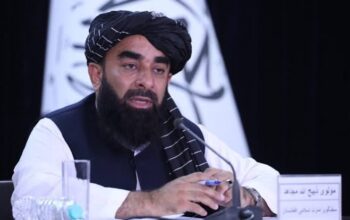
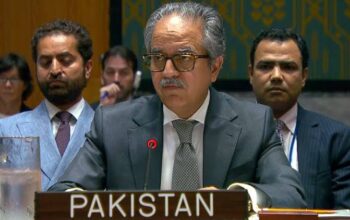
Thursday’s call followed a considerably more forceful intervention from Islamabad a day earlier, when the Pakistani foreign office issued its strongest condemnation to date of Houthi threats against Saudi Arabia and international shipping. Foreign office spokesman Tahir Andrabi told the ministry’s weekly briefing that Pakistan reserved “the right to take all necessary measures in self-defence” should its own maritime interests come under attack.
“Any hostile act against Pakistani-flagged vessels or Pakistan’s maritime interests will be regarded as a grave threat to our national security,” Mr Andrabi said, adding that Islamabad remained “deeply concerned by attempts to draw the Kingdom of Saudi Arabia into the Middle East conflict”.
The warning marks the most forceful public statement issued by any non-Arab state since the Houthis began targeting commercial vessels in the Red Sea in late 2023, and stands in contrast to the more cautious language used by most other governments, which have largely limited themselves to expressing concern over freedom of navigation.
Pakistan’s position is underpinned by the Strategic Mutual Defence Agreement it signed with Saudi Arabia in September last year, under which an armed attack on either country is treated as an attack on both. The Bab al-Mandeb strait, which links the Red Sea to the Gulf of Aden and sits at the centre of the current crisis, is a vital route for Pakistan’s own trade and energy imports; a substantial proportion of the country’s oil supplies pass through Red Sea waters, though no Pakistani-flagged vessel has so far been reported as targeted or delayed.
Blockade declared after Sanaa airport strike
The Houthis announced their naval blockade of Saudi Arabia on Monday, saying it was being imposed “based on the equation of an eye for an eye” in retaliation for a Saudi strike on Sanaa International Airport and what the group describes as a long-running blockade of Yemen by the kingdom. The group’s Humanitarian Operations Coordination Centre subsequently warned shipping firms that vessels calling at Saudi ports would be barred from loading or unloading, and could face sanctions or attack anywhere within its operational reach.
Saudi Arabia has dismissed the blockade as an attempt by the Houthis to “deflect” attention from economic mismanagement and domestic discontent within Yemen. The escalation follows an exchange of fire between Saudi and Houthi forces last week, the first in years, which was triggered when an Iranian aircraft attempted to land in Houthi-held Sanaa in defiance of the flight restrictions that have governed the Yemeni capital’s links to the outside world.
Wider regional conflict
The Red Sea escalation comes against the backdrop of an intensifying conflict between the United States and Iran, now well into its second week. US Central Command said on Wednesday it had carried out a twelfth consecutive night of strikes against Iranian targets, as both sides increasingly struck at civilian infrastructure; Iran has responded by targeting energy facilities and desalination plants supplying drinking water to neighbouring Gulf states.
Andrabi used Thursday’s briefing to address Pakistan’s role in the wider crisis, noting that Iranian interior minister Eskandar Momeni had travelled to Islamabad this week for talks described as reflecting Pakistan’s continued diplomatic engagement with Tehran. “Pakistan has repeatedly called for restraint by all sides and stated that dialogue remains the only viable solution to prevent a regional conflict,” he said, adding that Islamabad was “continuing its diplomatic outreach in support of dialogue and diplomacy”.
Pakistan has cast itself as a potential mediator in the US-Iran confrontation, though it remains far from clear what settlement might now be reached to end a war that has increasingly become a contest for control of the Strait of Hormuz, another critical artery for global energy supplies.
Copyright © 2021 Independent Pakistan | All rights reserved