By Staff Reporter
KARACHI: As Pakistan grapples with devastating floods that have submerged vast farmlands, early signs of a stronger cotton harvest are offering little solace to farmers and mill owners, who warn that surging import costs and lost exports could deepen the nation’s economic woes.
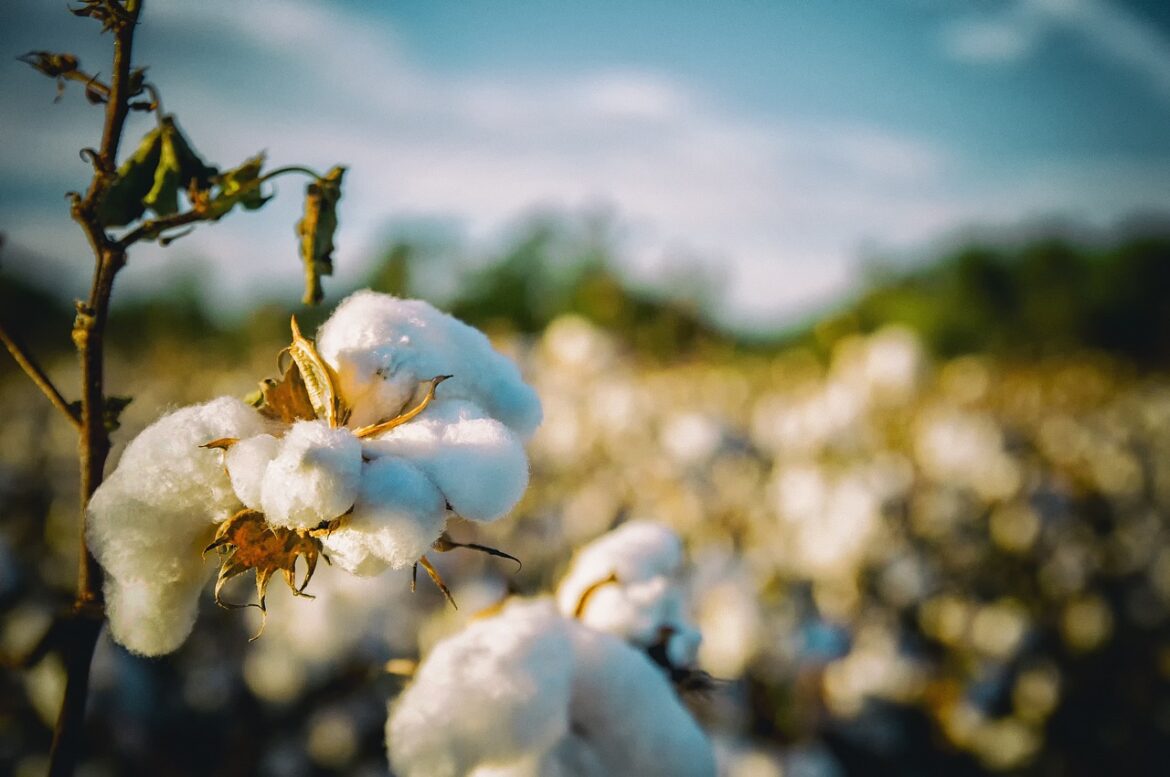
Cotton arrivals rose 9 percent as of Aug. 31 compared with the same period a year earlier, reaching 1.336 million bales, up from 1.226 million bales, according to data released by the Pakistan Cotton Ginner’s Association. The uptick reflected gains in both major producing regions: Punjab saw a 3 percent increase to 0.466 million bales, while Sindh jumped 13 percent to 0.870 million bales.
But the monsoon rains that have already ravaged central Punjab — the country’s agricultural heartland — are now pushing southward into Sindh, threatening to erase those modest gains and inflict billions in damage on an industry vital to Pakistan’s economy. Agriculture accounts for nearly a quarter of the nation’s gross domestic product and employs almost half its workforce, per the Pakistan Bureau of Statistics.
“This can lead to a crisis, because a lot of people will be losing their livelihoods. Their crops will be at stake,” said Kamran Arshad, chairman of the All Pakistan Textile Mills Association, who urged the government to declare a national emergency and restrict luxury imports to preserve foreign exchange reserves.
Textiles represent more than half of Pakistan’s exports, generating $18 billion last year, but the sector now faces headwinds from crop damage and a 19 percent US tariff in its largest market.
Arshad estimated that cotton imports could climb to $2.5 billion to $3 billion this year, double the $1.5 billion spent last year on supplies from Brazil, the United States, Africa and Australia. He noted that key areas in central Punjab, including Vehari, Mailsi, Chichawatni and Burewala, have been hit hard, with some genetically modified Bt cotton fields underwater.
Arshad also pointed to upstream water releases from India as exacerbating the floods, invoking the 1960 Indus Waters Treaty, which requires India to notify Pakistan of dam discharges that could cause downstream flooding. The deluges have damaged not just cotton but also rice, sugarcane, maize and vegetables, prompting warnings of broader shortages.
Ghasharib Shoukat, co-founder of the commodities platform Zarai Mandi, said deficits in wheat, vegetables and cotton could disrupt supply chains, driving up costs for exports and household essentials.
Official figures underscore the setback: As of Aug. 15, cotton production had fallen more than 17 percent to 887,401 bales from 1.1 million bales a year prior, according to a Sept. 2 report from the Pakistan Central Cotton Committee.
Analysts fear the toll could worsen, with Pakistan potentially losing up to 5 million bales from its 10.2 million bale target for the year, dipping below last year’s output of 7 million bales.
“The government’s target to produce 5.5 million bales in Punjab does not seem achievable now … cotton output may not exceed 4.5 million bales if flooding increases,” said Naseem Usman, chairman of the Karachi Cotton Brokers Forum.
Usman added that domestic consumption would outstrip production, pushing imports beyond $2 billion for raw cotton, seeds and oil used in animal feed. The ripple effects could hammer textile exports, which had been projected to rise to $20 billion this year.
“We were projecting a growth in textile exports from $18 billion to up to $20 billion in the coming year, but I don’t think that level will be achieved because of the unavailability of cotton and the higher cost of production,” said Ahsan Mehanti, chief executive of Arif Habib Commodities.
Mehanti projected a $6 billion blow to the industry, including $4 billion in extra import expenses and $2 billion in forgone exports. “This flood will have a devastating impact not only on cotton output but the exchange rate will equally be impacted,” he said.
Copyright © 2021 Independent Pakistan | All rights reserved