By Staff Reporter
ISLAMABAD: Pakistan LNG Ltd. pushed back the deadline for bids on two spot cargoes of liquefied natural gas to Nov. 10 after international traders complained of technical problems with a new government procurement platform, delaying a purchase the country needs to ease winter shortages.
The government-owned buyer issued the tender on Nov. 4, with bids originally due Nov. 6. Several prospective bidders reportedly struggled to submit offers through version 2.0 of the E-Pak Acquisition and Disposal System, known as EPADS, an electronic platform introduced by the Public Procurement Regulatory Authority. The company moved the deadline to ensure the widest possible participation. Bids will now be opened on Tuesday, Nov. 10, the same day they are due.
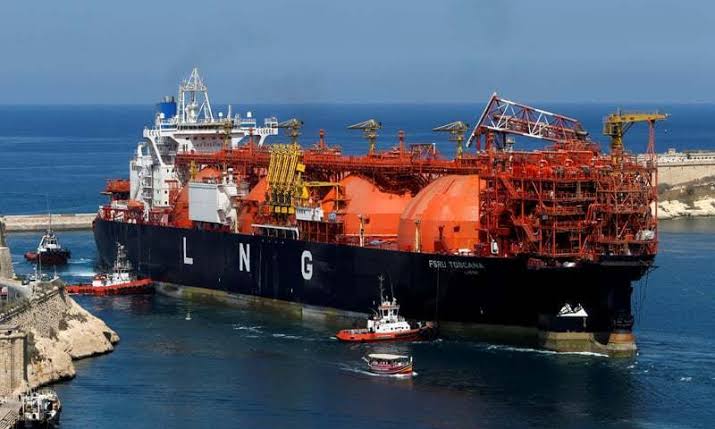
The delivery schedule is unchanged. Under tender PLL/IMP/LNGT80, one cargo is required at Port Qasim in Karachi between Dec. 14 and 16, and the second between Jan. 9 and 11. Each shipment is about 140,000 cubic meters, with a tolerance of 5%. PLL said it wouldn’t accept manually submitted bids and told suppliers not yet registered on the updated system to sign up through the EPADS vendors’ portal. The tender was issued with the prime minister’s approval. PLL will assess offers on technical and commercial grounds and can reject all of them.
The extension is meant to give suppliers enough time and to encourage more competition, which officials hope will bring better prices. Prices are the main concern. International spot LNG has climbed to about $32 per million British thermal units, and insurance, war-risk surcharges, freight and port handling bring the delivered cost to an estimated $33.50 to $34. Each cargo is expected to cost about $100 million at current market prices. Sui Southern Gas Co.’s chairman said Pakistan had been paying around $14 under its long-term supply arrangements, so spot purchases would cost roughly double. Buying at these levels could push up the cost of power generated from regasified LNG, adding to the burden on consumers.
Pakistan estimates it needs nine cargoes in December and 11 in January. Concern over security around the Strait of Hormuz has complicated the plan, and authorities are seeking only eight to 10 cargoes for each month.
The tender follows months of disruption to Pakistan’s main supplier. Pakistan normally receives an average of nine cargoes a month from Qatar under two government-to-government agreements signed in 2016 and 2021, but QatarEnergy suspended production and declared force majeure in March after attacks on its facilities during the US-Iran conflict. The war began Feb. 28, and Iran shut almost all shipping through Hormuz. In April, PLL issued its first spot tender since December 2023.
Pakistan has since kept some Qatari gas flowing through diplomacy with Tehran. It received three Qatari cargoes in October. Bloomberg reported on Nov. 2 that Pakistan had negotiated safe passage for the LNG carrier Al Mayeda before it was attacked near Hormuz on Oct. 30. Qatar called the attack a dangerous act that threatens maritime navigation and global energy supplies. Nakilat, the ship’s owner, said all 25 crew members were safe and the vessel remained operational. LNG flows through Hormuz held at about 30% of pre-war levels in October. Pakistan has received 18 cargoes since the war began, 11 from QatarEnergy under its long-term contract and seven from the spot market.
The shortfall is already being managed at home. SSGC’s chairman said supplies to domestic consumers have been restricted to meal times, while industrial customers are still receiving full supplies. An analyst at Lucky Investments warned that costlier spot cargoes could raise gas prices or add to circular debt if the government absorbs the cost, and that industries such as textiles, chemicals and glass could face cuts in gas allocations if supplies tighten.
SSGC’s chairman said he hopes the war ends soon so Qatar can resume normal deliveries. Bloomberg has reported that the US and Iran are edging closer to a potential breakthrough in talks, though nothing has been settled. Until supply routes reopen, Pakistan will keep turning to the spot market, and the bids opened on Nov. 10 will show how much suppliers are charging.
Copyright © 2021 Independent Pakistan | All rights reserved