By Staff Reporter
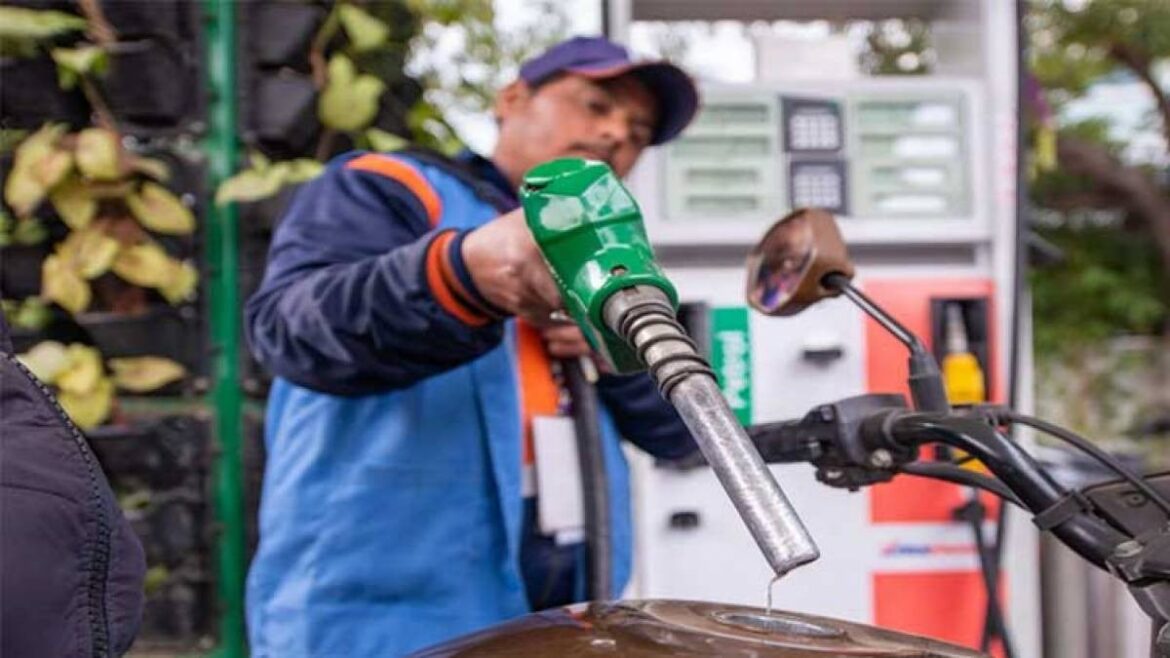
ISLAMABAD: Pakistan raised petrol and diesel prices for a third consecutive day on Wednesday, pushing pump costs to their highest level in more than a month as international crude surged past $100 a barrel on an escalating conflict between the United States and Iran.
The Petroleum Division said petrol will rise by Rs3.40 a litre to Rs367.75, while high-speed diesel climbs Rs6.72 to Rs392.67, effective on Thursday. The government continues to levy Rs114 a litre in taxes and duties on petrol and Rs100 on diesel.
The increase follows a Rs5.58 hike in petrol and a Rs4.18 rise in diesel a day earlier. Over the past three trading sessions, petrol has climbed a combined Rs21.88 a litre and diesel Rs14.62, according to the Oil and Gas Regulatory Authority, which now sets ex-depot fuel prices daily rather than fortnightly.
The domestic increases track a jump in international benchmarks. Brent crude futures rose as much as 3% on Wednesday to touch $100.95 a barrel, breaching the $100 threshold for the first time since July 24, after Iran said it had struck US vessels and oil tankers in the Gulf and Tehran fired ballistic missiles toward Jordan. The moves followed US strikes that destroyed five Iranian oil tankers near Kharg Island — the country’s main crude-export hub — a day earlier, along with Iran-backed Houthi attacks on Saudi energy infrastructure that set installations ablaze and raised the prospect of disruption spreading to the Red Sea shipping corridor, a key alternative to the Strait of Hormuz.
Pakistan has moved to a daily price-setting, replacing the weekly mechanism the government had used since early March after the volatility unleashed by the conflict. The government handed Ogra responsibility for calibrating prices to international trends on a daily basis, a shift from the fortnightly review the regulator had followed for years. Since the daily system took effect, petrol has risen by more than Rs50 a litre and diesel by roughly Rs40, reflecting the scale of the swings now being passed through to consumers in near-real time.
Wednesday’s increase remains well short of the extremes reached during the conflict’s opening weeks. Petrol touched an all-time high of Rs458.41 a litre on April 3, and diesel peaked at Rs520.35, after both had climbed steadily from pre-crisis levels of Rs266.17 and Rs280.86, respectively, at the end of February. The spike followed the joint US-Israeli campaign against Iran that began Feb. 28, which triggered missile and drone retaliation across the region and briefly cut Gulf oil flows by a historic margin, according to the International Energy Agency. A ceasefire in April and a subsequent memorandum of understanding in June had eased prices from their peak, before fighting resumed in recent weeks.
Pakistan imports the bulk of its petroleum needs, leaving the economy exposed to swings in global crude prices that domestic refining capacity cannot offset. the government data identified petroleum as among the country’s largest import categories, meaning every increase in international prices widens the import bill, strains foreign-exchange reserves and adds to inflationary pressure. Petrol and diesel together account for monthly sales of roughly 700,000 to 800,000 tonnes, dwarfing the 10,000 tonnes of monthly kerosene demand, and remain the government’s largest sources of fuel-related revenue.
The government has largely avoided returning to the subsidy-heavy approach of past years, when successive administrations delayed passing higher import costs to consumers — a practice that strained oil marketing companies and refiners, widened fiscal deficits and added to public borrowing. Islamabad introduced targeted relief measures for lower-income consumers in April, alongside broader steps to conserve fuel amid the risk of supply disruptions from the Middle East.
Petrol in Pakistan is used predominantly in private cars, motorcycles and rickshaws, making price changes a direct hit to middle- and lower-income households. Diesel’s reach is broader still, powering the heavy trucking fleet, agricultural machinery, power plants and backup generators that much of the economy depends on — meaning increases tend to ripple into transport fares and the cost of goods more widely.
With the conflict entering its seventh month since the February strikes, analysts say the risk calculus has shifted from a single price shock to sustained volatility. Global oil markets remain hostage to decisions by OPEC+, the trajectory of the fighting, and the security of shipping lanes through the Strait of Hormuz and the Red Sea — any one of which could again send Pakistan’s daily-adjusted pump prices sharply higher.
Copyright © 2021 Independent Pakistan | All rights reserved