By Staff Reporter
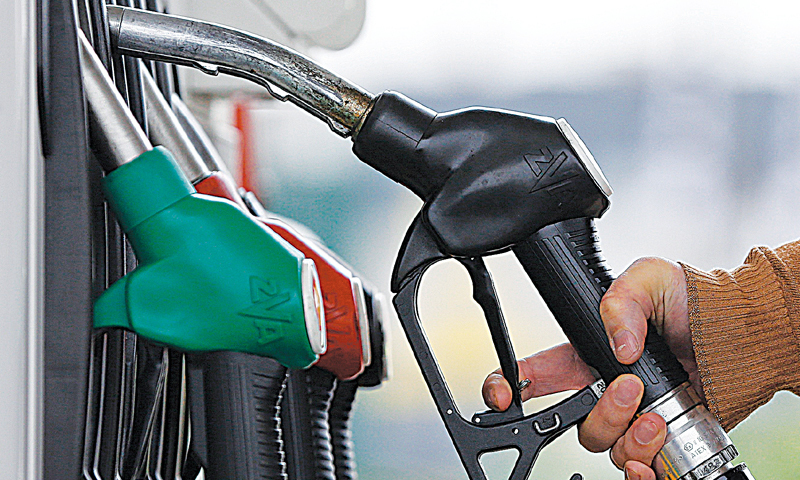
ISLAMABAD: Prime Minister Shehbaz Sharif approved an immediate increase of Rs200 a litre in the levy on high-octane blending component, or HOBC, the premium gasoline used in luxury and high-performance vehicles, shifting more of the fiscal burden from the national budget to higher-income consumers as global oil prices surge.
The levy on HOBC rose to Rs305.37 a litre from Rs105.37, pushing the ex-depot retail price of the fuel to Rs535 a litre, according to a notification from the Prime Minister’s Office. The move is expected to generate Rs9 billion in additional monthly revenue for the government, which Sharif has directed be used exclusively to provide relief to the broader public, the PMO said in a statement.
The decision emerged from a virtual meeting chaired by Sharif on Sunday to review HOBC pricing. The premier “took notice that the levy on high-octane fuel used in the most expensive vehicles should be increased,” the statement said, emphasising that the adjustment targets only luxury consumption and leaves levies on standard petrol and high-speed diesel unchanged. As of mid-March, the petrol levy stood at Rs105.37 a liter and the diesel levy at Rs55.24 a liter.
No increases were applied to fuels used in ordinary vehicles, motorcycles or public transport, and the government said the change would have no effect on bus, rickshaw or airline fares. “The richest class in the country will bear the burden,” the PMO statement said, framing the policy as a deliberate effort to ease pressure on lower- and middle-income groups while protecting the national economy.
The hike comes as Pakistan navigates the fallout from sharply higher global crude prices triggered by the conflict involving the United States, Israel and Iran. Gulf crude has climbed from about $70 a barrel three weeks ago to as high as $170 before settling around $160 on Friday, Petroleum Minister Ali Pervaiz Malik told reporters Saturday.
The government has moved to cushion the impact on ordinary consumers: it raised petrol and diesel prices by Rs55 a litre each on March 6, then held them steady for two weeks despite ongoing market volatility. An earlier 25% increase in the petrol levy — from Rs84.40 to Rs105.37 — had already lifted ex-depot petrol prices to Rs321.17 a litre by March 7 from Rs266.17 at the start of the month. The diesel levy, by contrast, was cut to Rs55.24 from Rs76.21 on the same day, even as its price rose to Rs335.86.
Sharif explicitly rejected further broad-based petroleum price increases, instructing ministries instead to design mechanisms that restrict any relief to those who need it most. The HOBC adjustment fits that approach. The premier also directed the petroleum ministry to prepare a detailed action plan for high-octane fuel pricing going forward.
The levy increase caps a week of fresh austerity steps unveiled by the government to conserve fuel and limit the drain on foreign reserves. Two weeks ago, authorities announced a 50% cut in fuel allowances for official vehicles, a four-day work week for government offices and work-from-home arrangements for half of public-sector employees, except those in essential services. On Thursday, the government publicly urged citizens to adopt conservation measures to “avert the risk of petroleum products’ supply getting affected in the coming days.”
At a joint briefing Saturday, Malik and Information Minister Attaullah Tarar outlined the strategy. Malik called on the public to show a “responsible attitude” in the face of scarcity. “If we avoid travelling, try to opt work from home, continue the usual work in universities with e-learning and avoid the unnecessary entertainment it is equal to saving a dollar that we have earned or managed it from somewhere to arrange for the fuel,” he said. The minister said the government faces a choice: “whether the government protects those with massive resources or those who earn a livelihood with hard work, such as bike riders and those driving rickshaws.”
Despite the closure of the Strait of Hormuz, Deputy Prime Minister and Foreign Minister Ishaq Dar secured uninterrupted supplies of crude from Saudi Arabia and the United Arab Emirates, Malik added.
Tarar praised the prime minister’s “timely decisions” to replenish oil reserves, noting that austerity measures had already delivered Rs27 billion in savings to a special fund. He warned that the absence of an immediate shortage should not encourage waste. “Those who own more than one car should prefer vehicles with lower fuel consumption to reduce fuel usage,” Tarar said, urging carpooling and other conservation steps. He noted that several regional countries had resorted to fuel rationing, but Pakistan had avoided that path through daily review meetings and forward cargo arrangements.
The government has repeatedly stressed that international oil prices dictate domestic policy and that it is doing everything possible to shield ordinary Pakistanis after the initial March price adjustment.
Copyright © 2021 Independent Pakistan | All rights reserved