By Staff Reporter
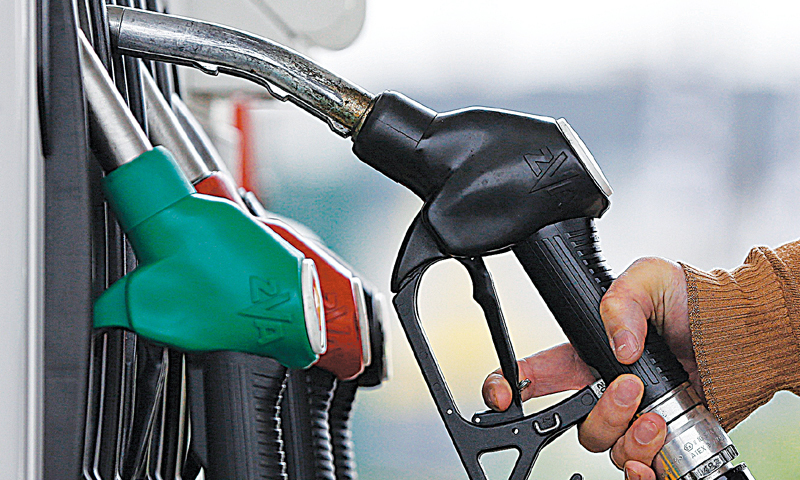
ISLAMABAD: Pakistan cut the price of petrol by 1 rupee a liter and raised diesel by 2 rupees on Friday, according to a notification from the Oil and Gas Regulatory Authority.
From Saturday, petrol will retail at 322 rupees a liter and high-speed diesel at 357 rupees, Ogra said. The new rates will remain in force until Nov 23.
The change follows Thursday’s decision to raise petrol by 1 rupee to 323 rupees, which ended a 12-day run of consecutive cuts. Diesel was left unchanged that day at 355 rupees.
Pump prices remain far below their spring highs. Diesel peaked at 520.35 rupees on April 3, and petrol at 458.41 rupees the same day. Friday’s rates are about 31% and 30% below those levels. They are still well above where they stood before the US-Iran war began on Feb 28. Diesel started its climb from 281 rupees a liter, and petrol from 266 rupees in the first week of March.
Global crude fell on Friday and was set for a third straight weekly decline, as shipments through the Strait of Hormuz returned to roughly pre-war levels and expectations of a supply surplus grew.
Brent futures were down 84 cents, or 0.9%, at $91.14 a barrel. West Texas Intermediate for December delivery fell $1.11, or 1.3%, to $82.10. The more active January contract slipped 58 cents, or 0.7%, to $81.86. Brent is on track for a weekly loss of about 5%, and the December WTI contract for about 7%. Brent had already fallen 16% in the week ended Nov 6.
Crude had edged higher earlier in the session. Houthi missile attacks on Riyadh and reports that two tankers caught fire after hitting naval mines in the Strait of Hormuz revived supply worries, and Brent briefly traded near $92.77 before turning lower.
The International Energy Agency has said the conflict caused the biggest disruption to global oil and gas trade on record. OPEC+ ministers meet on Nov 29 to discuss production policy for 2027. Ukrainian drone strikes have also reportedly cut Russian refiners’ combined crude-processing volumes by 45% since late October.
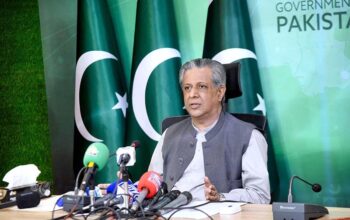
After Tuesday’s petrol cut to 325 rupees a liter, Deputy Prime Minister and Foreign Minister Ishaq Dar pointed to “proactive measures including policy changes and structural reforms in petroleum policy” that had brought prices down from the April 3 peak. He said the government remained committed to “all possible efforts to ease the financial burden on the common man.”
The government still levies 114 rupees a liter in taxes and duties on petrol and 100 rupees on diesel. Under an arrangement announced Nov 2 and running 30 days, refineries are absorbing a cumulative Rs15 billion through the petroleum levy. That allows a 14.71-rupee reduction in the pump price of petrol.
The arrangement has drawn resistance from the industry. Four refiners, including Attock Refinery, National Refinery, Cnergyico and Pakistan Refinery, have asked the government to restore the earlier pricing formula, local media reported. Local refineries supply roughly 30% of the country’s petrol. The Pakistan Petroleum Dealers Association has pushed the opposite way, demanding a forensic audit of refinery profits and saying it could open room for cuts of as much as 50 rupees a liter.
The Prime Minister’s Fuel Relief Scheme, rolled out nationwide on Sept 17, covers owners of motorcycles, rickshaws and vehicles of up to 800cc. Local media reports put the monthly discounted allowance at 20 liters for motorcycles and rickshaws and 30 liters for the small cars. Austerity measures have also been reintroduced: markets must close by 9 p.m., and fuel allocations for official vehicles are cut by 50% for three months.
Pricing has been adjusted almost daily since July 17, following renewed hostilities between Iran and the US. The petroleum minister has said the cabinet and the prime minister gave Ogra responsibility for setting prices each day based on international market trends. Before that, the government had announced weekly revisions from early March, together with fuel-conservation measures, and targeted subsidies in April.
Petrol is used mainly in private transport, small vehicles, rickshaws and two-wheelers, so its price weighs on middle- and lower-middle-income households. Diesel feeds into heavy transport, power plants and large generators, and so reaches a broader slice of the economy. The two fuels are the main revenue earners, with monthly sales of about 700,000 to 800,000 tonnes, against roughly 10,000 tonnes of kerosene.
Copyright © 2021 Independent Pakistan | All rights reserved