By Staff Reporter
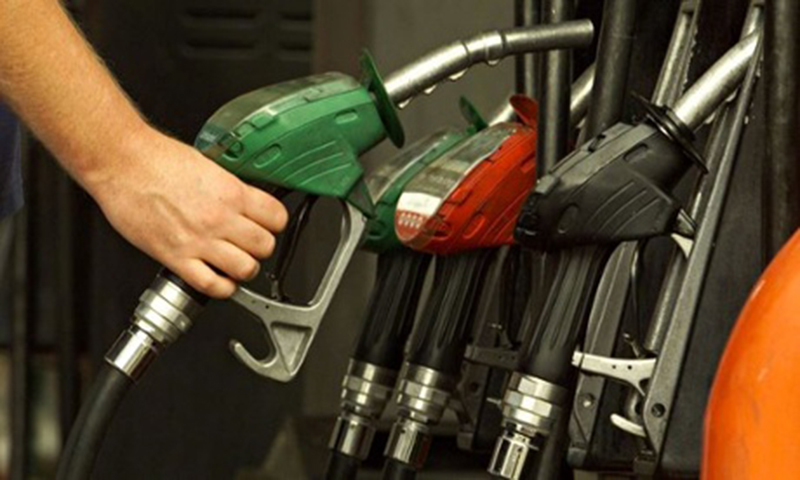
ISLAMABAD: Pakistan cut petrol prices by Rs9.41 a litre and diesel by Rs5.56 on Thursday, the fourth consecutive reduction this week, as the government tries to relieve consumers who have endured one of the sharpest fuel-price cycles in the country’s history.
Petrol will retail at Rs352.59 a litre and high-speed diesel at Rs382.25 on Friday, Nov. 6, according to a notification from the Oil and Gas Regulatory Authority. The prices are ex-depot rates set under the pricing mechanism approved by the federal government.
The latest cut follows Wednesday’s reduction of Rs7.06 for petrol, to Rs362.00, and Rs3.71 for diesel, to Rs387.81. Since Ogra’s announcement on Monday, when petrol was cut to Rs374.51 and diesel to Rs395.20, the two fuels have fallen by Rs21.92 and Rs12.95 a litre, respectively.
Prices remain well above where they began the year. Petrol was about Rs253 a litre in January and diesel about Rs257. Both peaked on April 3, when the government raised petrol by a record Rs137 to Rs458.41 and diesel by Rs184 to Rs520.35, weeks after the US-Israeli war with Iran began on Feb. 28. Thursday’s prices are about 23% below that peak for petrol and about 27% below it for diesel.
The government says domestic refineries are helping to fund the reductions. Under an arrangement announced on Monday and set to run for 30 days, refiners will bear a cumulative burden of Rs15 billion, which the government says allows a Rs14.71 cut in the consumer price of petrol. Petroleum Minister Ali Pervaiz Malik said that a Rs15-a-litre increase had been due on last Friday and was averted with the refineries’ cooperation. The local refineries account for about 30% of petrol production.
Taxes and duties still add Rs114 a litre to petrol and Rs100 to diesel. The levy has been a point of friction with the opposition and with the International Monetary Fund. Malik told lawmakers earlier last month that the government couldn’t change levy targets set in the federal budget without consulting its multilateral partners, and the levy was raised in May with the IMF’s consent. Jamaat-e-Islami has staged sit-ins across the country since late August over fuel prices and the levy. The party said is in talks with the government, though earlier rounds in September produced no agreement, and the party has demanded the levy be abolished.
The cuts come under a system adopted this summer, in which Ogra sets petrol and diesel prices every day instead of weekly. The change was announced in July after hostilities between Iran and the US resumed. Ogra bases the prices on a seven-day moving average of international benchmarks, doesn’t need cabinet sign-off for each revision, and publishes the reference prices on its website. The government has said the aim is to pass movements in global prices through to consumers faster and with more transparency, though Jamaat-e-Islami has called for the daily mechanism to be scrapped.
The government has also reintroduced austerity measures in response to the fuel shock. Markets must close by 9 p.m., and fuel allocations for official vehicles have been cut by 50% for three months. On Sept. 13, Prime Minister Shehbaz Sharif announced a relief scheme for motorcycles, three-wheelers and vehicles up to 800cc, which Malik said would cost about Rs25 billion a month.
Global crude rose on Thursday as investors weighed where the Iran war goes next after President Donald Trump’s Republican Party took heavy losses in this week’s US midterm elections. Brent futures gained $2.19, or 2.3%, to $96.81 a barrel. West Texas Intermediate rose $1.32, or 1.5%, to $89.44.
Brent is still well below its wartime highs. It settled at $118.35 in late March, and traded at about $111 on Oct. 30. Before the midterms, Trump had said he expected the war to end soon after the election, a prediction Vice President JD Vance declined to echo.
Petrol is used mainly in private cars, rickshaws and two-wheelers, so its price weighs most on middle- and lower-middle-income households. Diesel runs heavy transport, power plants and large generators, and moves through to freight and food costs. The two fuels dominate the market, with monthly sales of about 700,000 to 800,000 tons, against about 10,000 tons of kerosene.
Copyright © 2021 Independent Pakistan | All rights reserved