By Staff Reporter
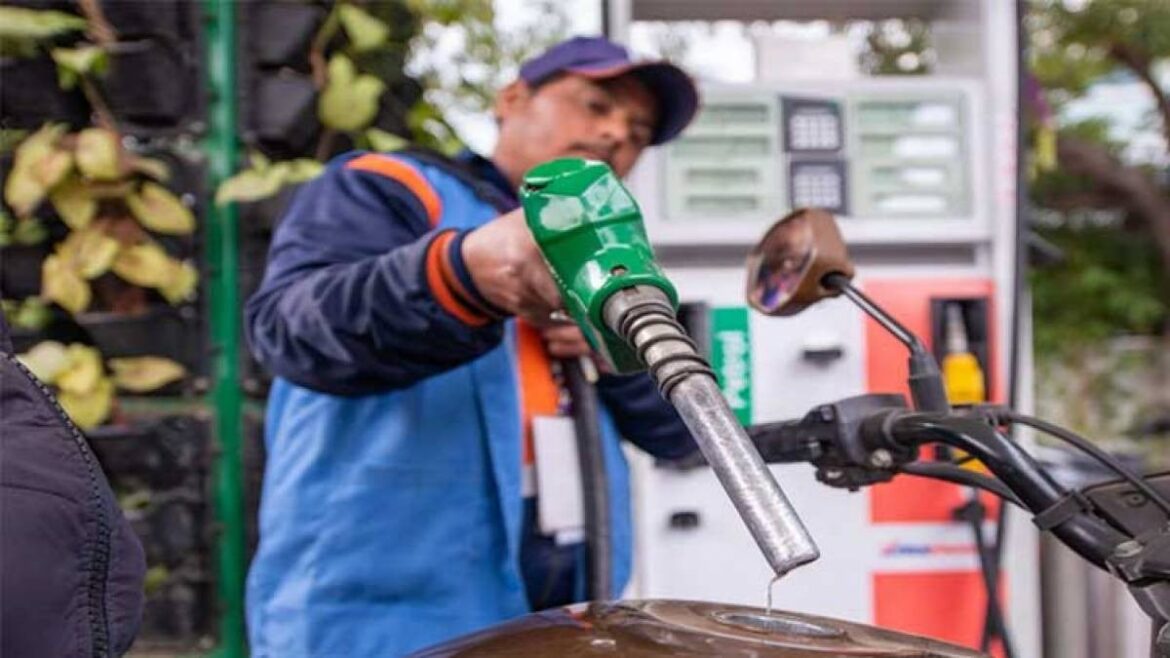
ISLAMABAD: Prime Minister Shehbaz Sharif opted against raising petroleum product prices on Friday, choosing to shield consumers from the latest surge in global oil costs triggered by the widening Middle East war.
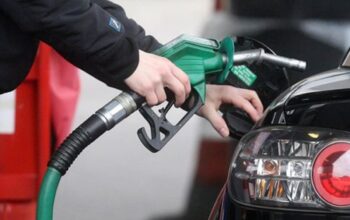
The decision sidesteps a widely anticipated increase, with the next scheduled review advanced from Sunday to Friday and before a scheduled review and just one week after the government delivered its biggest single increase of Rs55 a litre on both petrol and diesel. Petrol now stands at Rs321.17 a litre and diesel at Rs335.86.
“No price hike is being made in order to reduce the burden on the common man,” Sharif said in a statement from the Prime Minister’s Office. “The government will provide as much relief as possible to the people in these difficult circumstances.”
The move comes as Brent crude trades close to $100 a barrel following US and Israeli strikes on Iran that killed Supreme Leader Ayatollah Ali Khamenei. Iran retaliated with attacks on Israel and US bases in Gulf countries and barred vessels from the Strait of Hormuz, disrupting key supply routes.
Oil markets eased slightly Friday but remained on course for strong weekly gains. Brent futures for May delivery slipped 63 cents, or 0.6%, to $99.83 a barrel at 1124 GMT. West Texas Intermediate crude for April fell $1.29, or 1.4%, to $94.44 a barrel. Brent was headed for an 8% weekly rise; WTI for a 4% advance. Prices pulled back after an Indian tanker cleared the Strait of Hormuz and the US outlined steps to ease supply worries. Yet Gulf disruptions from the broader conflict persisted, underscoring the fragility of energy flows that Pakistan, a heavy importer, relies on.
Sharif said regional tensions are putting significant pressure on Pakistan’s economy and pose a “profound impact” on the country’s financial stability. Through timely policy-making, austerity steps and strict fiscal discipline, the government is managing the situation, he said, with provincial administrations lending full support. Diplomatic and economic teams have secured adequate crude supplies for the country’s needs. Federal and provincial authorities are working together to ensure no one pays above the official government price.
The prime minister has also rolled out broader austerity and fuel-conservation measures. In a March 9 national address, he ordered cuts in government spending, a four-day work week for federal and provincial offices, and curbs on non-essential movement to shield the economy from the global fuel crisis.
Sharif reiterated that the government is delivering maximum relief under trying circumstances and expressed hope that global conditions would stabilize. People familiar with internal discussions said Sharif and military leadership, including Chief of Defence Forces Field Marshal Asim Munir, agreed after last week’s increase that no further hikes would be imposed in the near term. Any additional costs would be covered through emergency block allocations.
Copyright © 2021 Independent Pakistan | All rights reserved