By Staff Reporter
ISLAMABAD: Pakistan is gearing up to haul India before an international court over New Delhi’s suspension of a vital water-sharing treaty, intensifying a bitter rivalry between the nuclear-armed neighbours.
The Indus Waters Treaty, brokered by the World Bank in 1960, governs the Indus River system, critical for farming and industry in both nations. That delicate balance was shattered after an attack in occupied Kashmir in April that killed 26 people, prompting India to freeze the pact.
India accused Pakistan of involvement in the attack, a claim Islamabad rejects. The situation spiralled on May 7 when India launched missile strikes into Pakistan, targeting what it described as “terrorist camps.” Days of artillery exchanges, airstrikes, and drone attacks followed until a US-brokered ceasefire took hold on May 10.
“We are preparing our case to seek all legal remedies to stop New Delhi from blatantly violating a treaty that remains in force under international law,” Pakistan’s Attorney-General Mansoor Usman Awan told Business Recorder newspaper.
The first step: talks through the Permanent Indus Commissioners, a joint panel created by the treaty. If that falters, Pakistan will escalate to the Court of Arbitration (CoA), a binding mechanism India can’t block.
The World Bank, the treaty’s overseer, holds the key. Under Article 9, Pakistan can demand the CoA’s formation if bilateral efforts fail. “We’re committed to the legal path and will let the court decide,” the newspaper quoted a Pakistani official as saying.
A ruling favoring Pakistan could force India to reverse course, or face accusations of defying global norms. The World Bank could balk under pressure, stalling the process. If India rejects a CoA decision, Pakistan might call it an act of war, eyeing a long-shot appeal to the International Court of Justice, though both sides would need to agree to its role.
A UN resolution could shift the odds, given the bank’s UN ties. The treaty’s importance can’t be overstated. The Indus system waters Pakistan’s breadbasket and powers India’s northern states. Despite the rift, Pakistan still shares river data with India, a move it says proves its good faith. Recently, it flagged irregular Chenab River flows to New Delhi’s Foreign Ministry, and got silence in return.
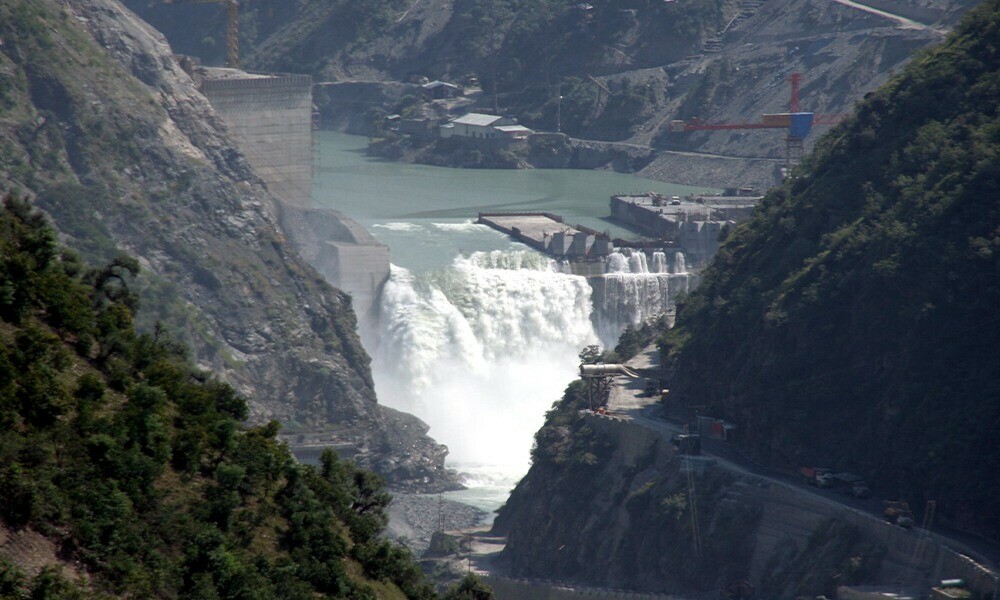
Meanwhile, a recent CoA supplemental award on hydroelectric projects, accepted by Pakistan, rejected by India, has added fuel to the fire. The ruling, tied to disputes over India’s Kishanganga and Ratle dams, underscores the treaty’s fraying edges. This isn’t the first clash. On January 25, 2023, India notified Pakistan of its intent to amend the treaty within 90 days, pushing for bilateral dispute resolution without outside meddling. Pakistan responded on April 5, offering to hear India’s concerns through the Permanent Commission of Indus Waters (PCIW). But under Article XII, any changes need mutual consent—something neither side seems close to granting.
Copyright © 2021 Independent Pakistan | All rights reserved