By Staff Reporter
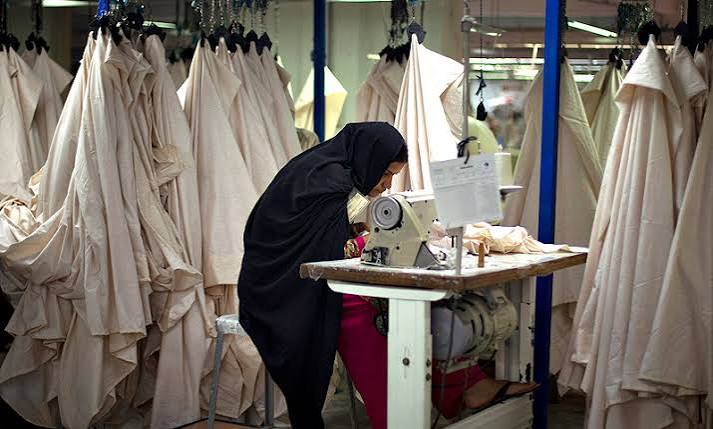
ISLAMABAD: Pakistan has reserved the entire 300 billion rupees allocation under its Pak EXIM-administered Export Finance Scheme for eligible small and medium-sized exporters, ending an arrangement in which the pool was shared with other borrowers.
Khurram Schehzad, an adviser to Finance Minister Muhammad Aurangzeb, said in a post on X that the money had previously been divided among SMEs, agricultural SMEs and new-to-scheme borrowers. Pakistan Export-Import Bank has told participating lenders to comply with the revised allocation and ensure the funds are used.
The Finance Ministry said the decision followed instructions from Prime Minister Shehbaz Sharif and Aurangzeb. The separate category for new borrowers has been scrapped, so every applicant must now meet the official definition of an SME. Eligible SMEs in agriculture can still draw on the facility.
The ring-fenced sum is about a fifth of the scheme’s total size. The Economic Coordination Committee approved in July an expansion of the Export Finance Scheme portfolio to 1.5 trillion rupees from 1 trillion rupees, and moved its administration from the State Bank of Pakistan to Pak EXIM. Exporters receive six-month working capital at 8.5%, with the government absorbing 5 percentage points of the markup, and rates could fall to 4.5% or lower depending on future relief packages from the prime minister. That compares with a central bank policy rate that was held at 11.5% at its September meeting.
Schehzad said the facility is meant to work alongside tax relief in the budget for the fiscal year through June 2027. The budget cut tax collected on export proceeds, a 1% withholding tax plus a 1% advance tax, to a combined 1.25% from 2%. It also abolished the super tax for businesses with annual income of up to 500 million rupees and lowered the rate to 8% from 10% for larger ones.
The announcement follows a meeting on Thursday at which Sharif pressed for easier credit for smaller exporters. He ordered the removal of a requirement that SMEs earn 80% of revenue from exports to qualify for long-term financing, and directed that no bank be allowed to deviate from the subsidized schemes. Officials told the meeting that Pakistan has roughly 17,000 export-oriented SMEs, and that 350 billion rupees has been earmarked this year for the long-term financing facility. The central bank opened a dedicated SME financing portal on Nov. 1 that has since received more than 10,000 loan applications.
The push comes with export growth still modest against a rising import bill. Exports in October were $2.93 billion, up 2.8% from a year earlier, while imports rose almost 12% to $6.81 billion. For the first four months of the fiscal year, exports grew more than 8% to $11.34 billion, but imports climbed over 12% to $25.96 billion, widening the trade deficit to $14.63 billion. Overseas shipments fell 6% in the last fiscal year.
The export-finance machinery itself has been reorganized. Pakistan approved phasing out a separate 330 billion rupee subsidized financing facility from the central bank to meet a condition of the International Monetary Fund in March 2025, a step that paved the way for Pak EXIM to take over the schemes.
Whether the reserved funds reach smaller firms will depend on how participating banks apply the revised rules, a point local media have flagged and one the prime minister addressed directly when he told lenders to adhere to the subsidized schemes.
Copyright © 2021 Independent Pakistan | All rights reserved