By Staff Reporter
ISLAMABAD: Pakistan and Saudi Arabia agreed to nearly double Pakistan’s agricultural and food exports to the kingdom, targeting $3 billion within two years as the countries deepen commercial ties beyond their traditional defence and security partnership.
The commitment emerged from a joint statement issued Sunday by Islamabad and Riyadh, capping three days of talks between Saudi Arabia’s Ministry of Environment, Water and Agriculture and Pakistan’s Ministry of National Food Security and Research. Prime Minister Shehbaz Sharif’s office described the push as his own initiative, framing it as part of a broader effort to diversify Pakistan’s export base toward Gulf markets.
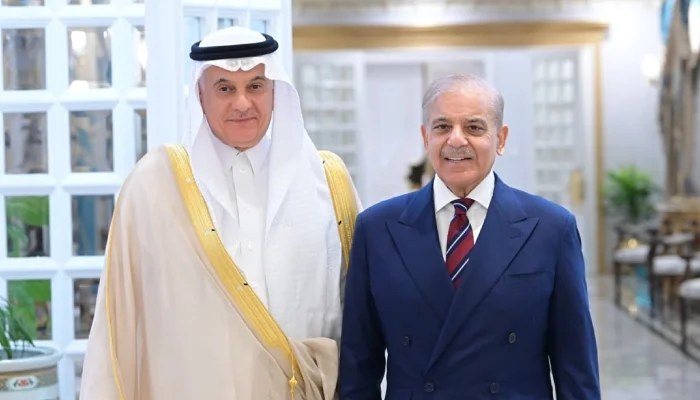
A Saudi delegation led by Minister of Environment, Water and Agriculture Abdulrahman Al-Fadhli visited Islamabad from Aug. 26 to Aug. 28 at the invitation of Pakistani authorities. The group included senior officials from the Saudi agriculture ministry, the kingdom’s General Food Security Authority and other relevant institutions. Sharif met the delegation Friday for talks that both sides characterized as detailed and wide-ranging.
Rice, red meat, fruits and their concentrates, green fodder and water-efficient agricultural technology were named as priority areas for the export push, with Saudi private-sector participation expected to help drive the expansion. The two governments said they would work to hit the $3 billion figure — nearly triple current trade volumes across the identified categories — over the coming two years.
Rice and Meat Anchor Current Trade
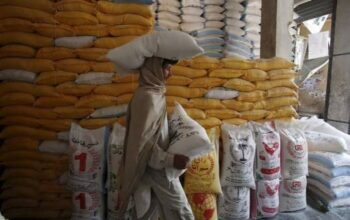
Pakistan shipped about 169,000 tons of rice to Saudi Arabia in 2025, worth roughly $163 million, according to figures the delegations reviewed during the visit. Saudi officials signaled interest in expanding that trade further in coming years, though the joint statement gave no specific volume targets for rice.
Red meat exports totaled approximately 30,000 tons last year, valued at about $167 million. The Saudi side indicated it wants to gradually double those imports, a goal that would mark one of the more concrete near-term commitments to emerge from the visit.
On fruit and fruit concentrates, the two sides pointed to room for Pakistan to capture a larger share of the Saudi market, encouraging closer business-to-business coordination and mutual recognition of quality certifications between exporters and buyers. Saudi officials also flagged green fodder as an area suited to longer-term supply arrangements, though without attaching figures to that ambition either.
Irrigation Program, Dates Council Also Discussed
Beyond trade figures, the two countries used the visit to advance cooperation on agricultural infrastructure. They welcomed the completion of the first phase of a water-efficient irrigation program in Bhakkar, in Pakistan’s Punjab province, and discussed a proposed second phase aimed at small farmers.
Saudi officials also encouraged Pakistan to join the International Dates Council, a Riyadh-based body focused on developing the global date palm industry — a proposal Pakistani officials said they welcomed.
The visiting delegation toured Pakistan’s National Agricultural Research Centre and held meetings with the Special Investment Facilitation Council, the Fauji Foundation and the Pakistan-Saudi Arabia Agri-Business Forum. Officials also reviewed investment proposals from Pakistan’s private sector spanning livestock, agri-food processing and the rice value chain, though the statement did not disclose dollar figures or specific projects tied to those proposals.
Sunday’s statement invoked Saudi Arabia’s Vision 2030 economic diversification program, arguing that the kingdom’s food-security priorities under that plan align closely with Pakistan’s ambitions to grow its agricultural export sector — language that has become a recurring theme in Gulf-South Asia trade discussions as Riyadh works to reduce reliance on imports from a narrower set of suppliers.
Pakistan also accepted an invitation to take part in the 43rd Saudi Agriculture Exhibition, set for Riyadh from Oct. 19 to Oct. 22, which is expected to serve as a follow-up venue for the commercial relationships discussed this week.
Part of Broader Diplomatic Push
The Pakistani delegation was led by Minister for National Food Security and Research Rana Tanveer Hussain, joined by Secretary Aamir Ali Ahmed, Commerce Secretary Jawad Paul, the prime minister’s coordinator for agriculture and food security Ahmed Umair, and private-sector representatives from the rice, red meat, processed food and green fodder industries.
The agricultural talks follow a February visit to Islamabad by Saudi Assistant Minister of Investment Ibrahim Al-Mubarak, who at the time expressed interest in backing corporate farming ventures in Pakistan’s rice sector — an early signal of the investment appetite that shaped this week’s discussions.
The agreement adds to a string of economic, defense and trade accords Pakistan and Saudi Arabia have signed in recent months, as the two countries work to broaden a relationship long anchored in security cooperation and Saudi financial support for Pakistan’s economy. Both sides said Sunday they were satisfied with the outcome of the visit and would maintain coordination to convert this week’s understandings into concrete commercial arrangements.
Copyright © 2021 Independent Pakistan | All rights reserved