By Staff Reporter
ISLAMABAD: Pakistan said it welcomed Iran’s offer to mediate between Islamabad and the Taliban government in Kabul, signalling openness to a new diplomatic channel after the collapse of Turkey- and Qatar-brokered talks earlier this month and persistent cross-border terrorist attacks.
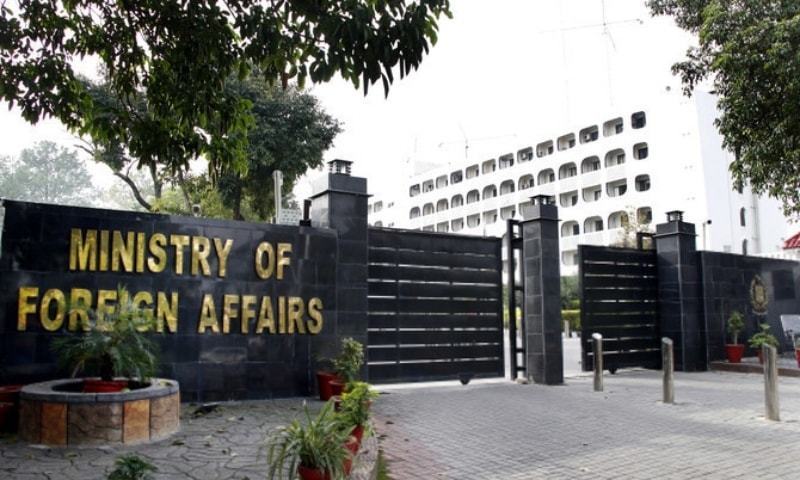
“Iran is a brotherly, friendly country,” Foreign Office spokesman Tahir Hussain Andrabi told Dawn newspaper on Sunday. “Pakistan is always in favour of finding peaceful resolutions of issues through dialogue and diplomacy, and we appreciate the offer of mediation of our brotherly country, Iran.” Andrabi added: “We believe that Iran can play an important role. We would not shy away from any mediatory role by Iran. Mediations are always welcome.”
He emphasised that Pakistan had a “very strong case” on the issue of terrorism emanating from Afghan soil and noted that mediation is typically resisted only by the side with the weaker position. The statement comes as Pakistan continues to press the Taliban authorities to prevent anti-Pakistan militants from using Afghan territory to stage attacks, a charge the Taliban have repeatedly denied.
Tensions between the neighbours escalated sharply last month after deadly border clashes on Oct. 11-12 that the Pakistani military said killed 23 of its troops and, according to Islamabad, some 200 Taliban fighters and affiliated militants. Afghanistan described its actions as retaliatory, accusing Pakistan of airstrikes inside its territory, claims Islamabad neither confirmed nor denied, while insisting that Kabul cease harbouring the Tehreek-i-Taliban Pakistan.
Further skirmishes followed, along with Pakistani strikes on camps belonging to the Gul Bahadur militant group inside Afghanistan. A ceasefire was reached on Oct. 15, paving the way for talks in Doha and later three rounds in Istanbul mediated by Turkey and Qatar. Those negotiations, however, ended in deadlock. On Nov. 7, Pakistan’s defence minister, Khawaja Muhammad Asif, declared the talks on cross-border terrorism “over” and said they had entered an “indefinite phase” because of unbridgeable differences.
Iran stepped into the vacuum last week. On Nov. 9, Iranian Foreign Minister Abbas Araghchi spoke separately with his Pakistani and Afghan counterparts and, according to Iran’s state-run IRNA news agency, expressed Tehran’s readiness to provide “any kind of assistance” to resolve the disputes. Russian Foreign Minister Sergey Lavrov echoed the call for continued dialogue shortly afterward.
Reports have since emerged that Tehran is working to organise a regional meeting to facilitate mediation. Pakistan’s quick endorsement of the idea contrasts with the frustration expressed by officials after the Istanbul process collapsed. Information Minister Attaullah Tarar wrote on X on Oct. 29 that the earlier talks had “failed to bring about any workable solution” and that Pakistan would “continue to take all possible measures” to protect its citizens from terrorism. Military and civilian casualties from attacks that Pakistani authorities attribute to Afghanistan-based militants have continued unabated, underscoring the urgency Islamabad attaches to any initiative, Iranian, Turkish or otherwise, that might yield results.
Turkish President Recep Tayyip Erdogan announced that his foreign minister, defence minister and intelligence chief would visit Islamabad next week to discuss the same tensions, indicating that multiple regional players remain engaged even after the recent breakdown. For now, Pakistan appears willing to let Iran try where others have so far failed. “Generally, mediations are resented by a country or a side which is on a weak legal or political case,” Andrabi said. “Pakistan’s case on this issue, on terrorism emanating from Afghanistan, is very strong. So, obviously, we will not shy away from mediation.”
Copyright © 2021 Independent Pakistan | All rights reserved