By Staff Reporter
ISLAMABAD: Pakistan’s finance minister said the US-Iran peace agreement announced on Monday will deliver meaningful economic benefits in the coming fiscal year, even as experts cautioned that disruptions to global energy markets caused by months of conflict will take considerably longer to unwind.
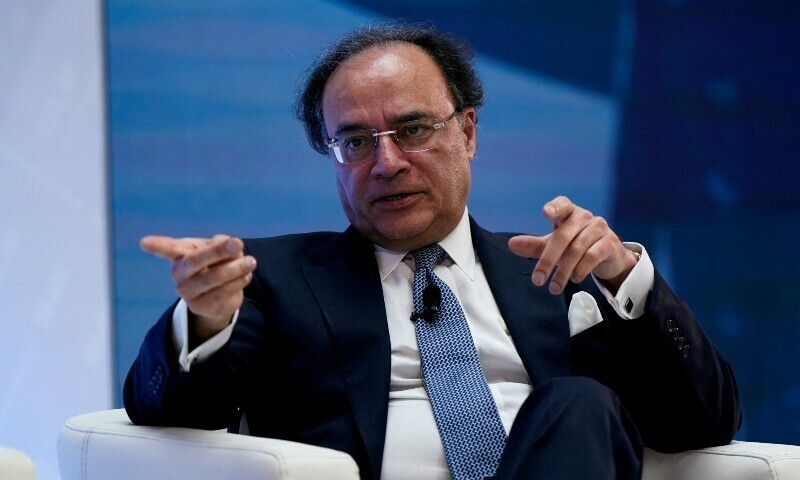
Muhammad Aurangzeb, speaking via video link at the listing ceremony of Service Long March Tyres Limited on the Pakistan Stock Exchange, called the deal “good news” for both Pakistan and the broader region, citing the country’s acute exposure to Gulf energy prices, remittances and regional financing flows.
“Now, the energy infrastructure has been hit — that’s the reality,” Aurangzeb said in televised remarks. “It will take a little while for things to get to normalcy. But it certainly presents us with good upsides in terms of the next fiscal year.”
US President Donald Trump announced early Monday that Washington and Tehran had reached an agreement to end their conflict, with a formal signing ceremony scheduled for Friday in Switzerland. The war, which began in February, had driven oil prices sharply higher after Iran moved to effectively shut the Strait of Hormuz — the critical maritime chokepoint through which a significant share of the world’s seaborne crude passes.
Financial analysts have consistently flagged Pakistan as among the most vulnerable major Asia-Pacific economies to Middle East instability, given its structural dependence on Gulf energy imports, worker remittances from the region and bilateral financing support from Gulf sovereigns.
Mediator’s Dividend
Islamabad played an active role in brokering the ceasefire, hosting the first round of direct US-Iran talks in April and serving as a back-channel conduit for proposals between Washington and Tehran. Qatar and Türkiye also participated in mediation efforts alongside Pakistan, Saudi Arabia and others.
Aurangzeb framed the peace agreement as validating Islamabad’s diplomatic engagement and said it should help contain the compounding economic damage the country had feared from a prolonged war. “We have negotiated over the last three months of this conflict — first helping de-escalate geopolitical tension,” he said. “This announcement, as we move forward, should help us in mitigating the second and third-order impacts that were being feared previously.”
Those downstream effects, had the conflict persisted, would have included a further surge in inflation, higher costs of doing business, continued disruption to global shipping and a drag on GDP growth across the region.
Subsidy Strain, IMF Tightrope
The timing of the conflict was particularly damaging for Pakistan, which has been navigating a fragile economic recovery under a $7 billion International Monetary Fund program. The country has grappled with a balance of payments crisis, depleted foreign exchange reserves and a weakened rupee since 2022, and recorded inflation of nearly 38% in May 2023 — the highest in six decades — which weighed heavily on growth during the stabilisation years that followed.
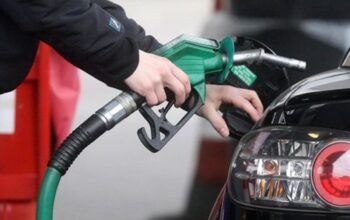
To cushion consumers from repeated fuel price increases triggered by the Hormuz crisis, Islamabad assembled a Rs129 billion ($458 million) subsidy package in March, funded through a combination of spending cuts and transfers from state-owned enterprises — a fiscal manoeuvre that tested the government’s commitments under its IMF program.
Aurangzeb said Friday’s federal budget laid out a clear trajectory beyond stabilisation. “The budget has given a very clear direction for moving from macroeconomic stability towards sustainable and export-led growth,” he said. The government has set a GDP growth target of 4% for fiscal year 2027, up from an estimated 3.7% in the outgoing fiscal year.
Energy Markets Need Time
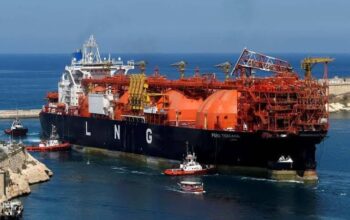
Despite the optimism, analysts and industry executives warn the path from ceasefire to lower fuel prices will be neither immediate nor straightforward. Energy companies will need months to resume operations at levels sufficient to meet global demand, they say, citing the slow logistics of shipping and refining crude oil and lingering uncertainty over the security of Hormuz passage even after the formal end of hostilities.
Copyright © 2021 Independent Pakistan | All rights reserved