By Staff Reporter
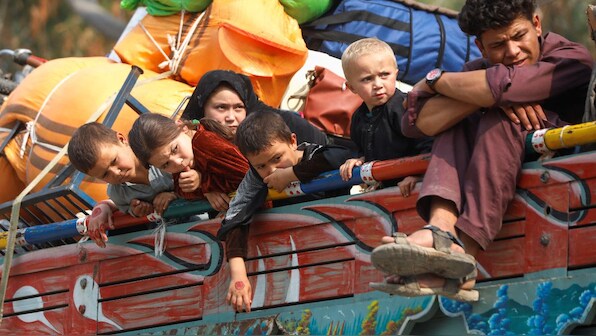
ISLAMABAD: Pakistan will begin repatriating more than 1.3 million Afghan refugees on September 1, 2025, a move the United Nations warns could breach international protections against forcing refugees back to dangerous conditions.
The government has directed provinces to launch the process after Proof of Registration (PoR) cards, the last legal status for Afghans without visas, expired on June 30, 2025. In a July 31 announcement, the interior ministry labelled PoR cardholders unlawful residents, setting the stage for their deportation under the Illegal Foreigners Repatriation Plan (IFRP).
The interior ministry’s August 4 directive to provincial leaderships and police chiefs detailed the IFRP’s rollout. Voluntary returns will start immediately, with formal repatriation and deportations beginning September 1, 2025. The plan also targets undocumented foreigners, including Afghan Citizen Card (ACC) holders, for ongoing removal.
Agencies have clear roles: the Ministries of Kashmir Affairs and States and Frontier Regions will supply PoR cardholder data, the National Database and Registration Authority (Nadra) will deregister refugees at transit points, and the Federal Investigation Agency will oversee border crossings. Provinces must map cardholders, draft action plans, and establish transit areas with transportation and financial aid for deportees.
On Monday, the Khyber Pakhtunkhwa Provincial Steering Committee, overseeing a region hosting over half of Pakistan’s Afghan refugees, met to coordinate the IFRP. The committee directed district officials, police, and intelligence agencies to organise teams and hold jirgas, traditional councils, with Afghan elders to promote voluntary departures.
Deputy commissioners will update refugee records and manage local deportations, primarily via the Torkham border crossing. The committee also ordered Nadra and the Provincial Disaster Management Authority to reactivate transit points in Peshawar and Landi Kotal. Refugee camps, deemed outdated, will close, with remaining residents tracked by the Commissionerate of Afghan Refugees.
The United Nations High Commissioner for Refugees (UNHCR) has raised serious concerns about Pakistan’s plan to deport PoR cardholders forcibly. Citing reports of arrests and detentions, the agency warned that such actions could violate non-refoulement, the international principle barring returns to perilous environments.
The UNHCR praised Pakistan’s decades of hospitality but urged reconsideration. As of June 30, 2025, UNHCR data showed 1.3 million registered Afghans in Pakistan: 717,945 in Khyber Pakhtunkhwa, 326,584 in Balochistan, 195,188 in Punjab, 75,510 in Sindh, and 43,154 in Islamabad. Many are descendants of those who fled Afghanistan’s Soviet invasion in 1979.
For over 40 years, Pakistan has sheltered Afghan refugees, issuing PoR cards in 2004-05 with UNHCR backing and adding ACCs in 2016. Now, citing security and economic strains, officials defend the repatriation push. Human rights groups counter that Afghanistan’s persistent instability threatens returnees. With less than a month until September 1, Pakistan is finalising logistics for a massive operation that could deepen friction with Afghanistan and invite global scrutiny. For the 1.3 million Afghan refugees, many rooted in Pakistan for generations, the return to an uncertain homeland looms large.
Copyright © 2021 Independent Pakistan | All rights reserved