By Staff Reporter
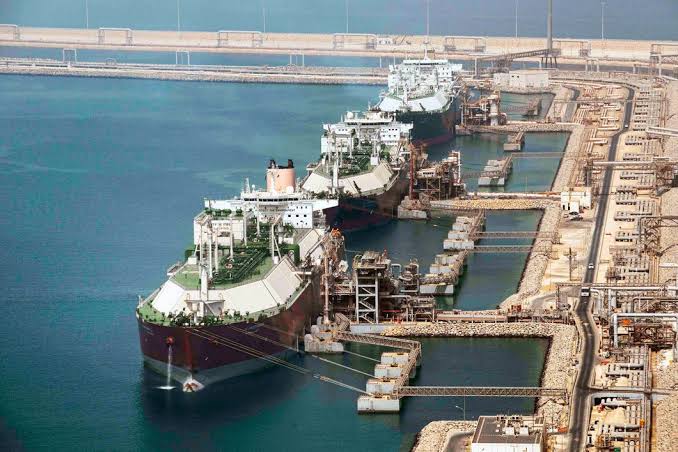
ISLAMABAD: Pakistan has finalised a plan to procure 16 liquefied natural gas cargoes for delivery from November through February 2027, seeking to avert winter shortages by pairing long-term contracts with Qatar with short-term purchases from Oman, the US and Azerbaijan’s state-owned SOCAR.
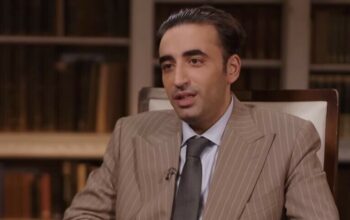
Petroleum Minister Ali Pervaiz Malik laid out the plan to reporters on Wednesday, joined by Petroleum Secretary Hamed Yaqoob Sheikh and ministry spokesman Zafar Abbas. November’s requirement is fully covered, and three of the four cargoes needed for December are secured, according to Abbas. For January, which needs six cargoes, one is in hand, and the government is working to arrange the rest. The aim is uninterrupted supply through February, when winter demand puts the most strain on the system.
The scramble follows a disruption to Qatari supply. Qatar is among the LNG producers hit hardest by the US-Iran conflict that erupted in February, with its export capacity severely curtailed from pre-conflict levels. Some Qatari cargoes have still reached Pakistan after Iran gave assurances that vessels could safely transit the Strait of Hormuz, but not all of them. The shortfall is pushing Pakistan toward the more expensive spot market. The winter LNG import bill is projected at $1.29 billion, peaking in January at about $437 million.
The cargo count has moved around in recent weeks. Local media reports put Pakistan’s planned winter volumes anywhere from 18 to 26 cargoes, depending on the source and the date. Procurement has not been smooth either. A government delegation went to Qatar this month seeking additional December and January cargoes, and Pakistan LNG Ltd.’s board rejected bids from TotalEnergies and QatarEnergy for two spot cargoes.
Beyond the winter scramble, Abbas said the government has hired specialist consultants to lead structural reforms of the gas sector, starting with a split of the Commercial Gas Sector from the Regulated Gas Sector. After extensive work with the World Bank, he said, a framework has been drawn up for the period after privatisation of the two state-owned utilities, Sui Southern Gas Co. and Sui Northern Gas Pipelines Ltd. The roadmap was developed by the Petroleum Division with technical support from the World Bank.
The aim is to tackle circular debt, which had climbed to around 3.4 trillion rupees by May, driven largely by late payment surcharges. Abbas said talks on resolving that debt and restructuring cross-subsidies have been aligned with the International Monetary Fund, and that the government is targeting full implementation of the transition plan by the end of 2027.
Malik also announced upcoming high-level visits to Oman to sign agreements on cooperation in LPG and LNG. He said a major Turkish vessel will be welcomed into port operations. The Hub Oil City project is advancing, with Technip Energies having completed its study and a newly formed steering committee now overseeing the project.
LPG overhaul
The government is preparing a bigger change in the LPG market. Under the proposal, regulated consumer prices would be replaced by import-parity benchmarks and competitive price discovery. State-owned companies, including Pakistan State Oil and SSGC LPG Ltd., would lead the transition. They would publish monthly benchmarks linked to Saudi Aramco’s contract price, adjusted for freight, insurance, import premiums, taxes and other landed costs.
The Oil and Gas Regulatory Authority would stop issuing consumer-price notifications for local and imported LPG. It would keep announcing monthly producer prices tied to Saudi Aramco’s free-on-board benchmark. Marketing and import companies would set their own margins and transport charges, subject to competition and consumer-protection oversight.
The most consequential change concerns domestic output. Producers would reserve 10 percent of production for state-owned marketing companies serving remote and underserved areas, with the remaining 90 percent offered at public auctions. The 10 percent would be supplied at producer prices to keep deliveries flowing to Gilgit-Baltistan and other mountainous regions. The floor price in the auctions would be set 5 percent below PSO’s import-parity price.
The government also plans a dedicated public-account fund to capture the gap between auction proceeds and the Saudi-linked producer price. The money would finance targeted subsidies for low-income households eligible under the Benazir Income Support Programme, or help stabilise LPG prices. The Auditor General of Pakistan would audit the fund. The package also envisages stricter licensing, third-party audits, mandatory quality testing, digital tracking of LPG transport vehicles and tougher cylinder safety enforcement.
The stakes are high because the country leans heavily on imports. Roughly 71 percent of Pakistan’s LPG supply is imported, in a market of about 2.4 million tons a year.
The Petroleum Division said the first results of its earlier deregulation push have arrived. SSGC LPG Ltd. imported a record 15,000-ton cargo, the largest of its kind, which berthed at EngroVopak Terminal Ltd. at Port Qasim. It is the first major import under the new LPG guidelines. Formal-sector companies had previously stepped back from imports because regulatory constraints stopped them from recovering procurement costs. The government has now directed state-owned companies to lead imports, particularly ahead of winter, with the aim of easing shortages and prices, including in hilly and remote areas.
Copyright © 2021 Independent Pakistan | All rights reserved