By Staff Reporter
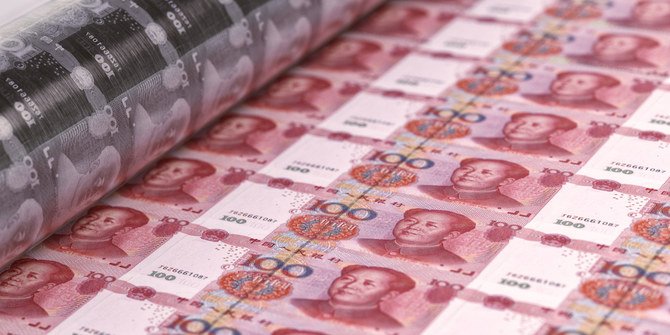
ISLAMABAD: Pakistan plans to issue its first-ever Panda bonds before December 2025, aiming to raise $250 million in yuan-denominated debt to finance critical infrastructure projects, according to media reports.
The move marks the South Asian nation’s latest effort to diversify its funding sources amid a challenging economic landscape.
The issuance, to be conducted through a private placement on China’s national interbank bond market to qualified institutional investors, will carry an indicative coupon range of 3% to 4% per annum with a three-year tenor. The transaction is being structured by a consortium of financial advisers and underwriters, including China International Capital Corporation Ltd. and Pakistan’s Habib Bank Ltd.
The bond issue is part of a broader strategy to raise $1 billion equivalent through Panda bonds, as discussed during a recent meeting of the Central Development Working Party (CDWP), chaired by Planning Minister Ahsan Iqbal. The CDWP approved guarantees from the Asian Development Bank (ADB) and the Asian Infrastructure Investment Bank (AIIB) totaling $285 million to back the inaugural $250 million issuance. The ADB will provide up to $160 million, while the AIIB will cover $125 million, offering 95% indemnity to secure a domestic AAA rating in China, necessary for the bonds to qualify as investment-grade instruments.
The guarantees are critical for Pakistan, which holds a sub-investment-grade sovereign credit rating, to attract institutional investors. The ADB will charge an annual guarantee fee of 50 basis points, a commitment fee of 15 basis points, and a one-time upfront fee of 25 basis points. The AIIB’s terms include a 50 basis point annual fee and a one-time upfront charge of 75 basis points. Both institutions have stipulated that the bond proceeds must be used exclusively for sustainable and green projects.
The funds will support key infrastructure initiatives, with $76 million allocated to the Jinnah Medical Complex and Research Centre, $27 million for equipment procurement for a cancer hospital in Islamabad, $76.5 million for a national telemetry system to monitor discharge stations along the Indus River, and $71 million to strengthen the power distribution networks of the Lahore, Sukkur, and Multan electric supply companies.
The Panda bond issuance is still pending internal and regulatory clearances in Pakistan and China. The move follows a global trend of emerging markets tapping China’s bond market to diversify funding amid constrained access to traditional financing sources.
Pakistan’s economy has shown tentative signs of stabilisation in recent months, with inflation cooling to 4.1% in July 2025 from double digits a year earlier and foreign reserves reaching a two-year high, bolstered by a $7 billion IMF loan approved in September last year and credit rating upgrades from agencies including Moody’s to a positive outlook.
Yet these gains risk being undermined by devastating floods, specially the country’s foodbasket Punjab province during August, which submerged thousands of villages and farms, destroyed crops and livestock, and are poised to drive up food prices while inflicting billions in damages on an agriculture sector that accounts for a quarter of GDP.
Amid a World Bank warning that over 10 million more people could slip into poverty this year—pushing the rate above 45%, Islamabad faces mounting pressures from external debt repayments exceeding $12 billion annually, tepid GDP growth forecasts of 2.5% for fiscal 2025, and the imperative for structural reforms to harness a burgeoning youth population before climate shocks and political uncertainties erode hard-won progress.
Copyright © 2021 Independent Pakistan | All rights reserved