By Staff Reporter
ISLAMABAD: The government is considering scrapping its tiered natural gas pricing system in favour of a single uniform rate for all consumers, Petroleum Minister Ali Pervaiz Malik said, a shift that would mark one of the most significant overhauls of the country’s energy subsidy regime in years.
The proposal would replace a decades-old structure that charges households and businesses vastly different rates depending on consumption levels — from as little as 500 rupees per million British thermal units for the lowest-use residential tier to as much as 4,300 rupees for heavier users. That range sits on either side of the average prescribed price of roughly 1,700 rupees per mmBtu, a figure set by the Oil and Gas Regulatory Authority based on what gas utilities need to recover their costs.
The gap between what regulators say gas actually costs to deliver and what many consumers pay has fueled a system of cross-subsidies that both Ogra and the International Monetary Fund have pressed Islamabad to unwind. The Fund has urged the government to recover the full cost of gas supply from consumers and shift toward direct, targeted subsidies for lower-income households rather than blanket price breaks embedded in the tariff structure itself.
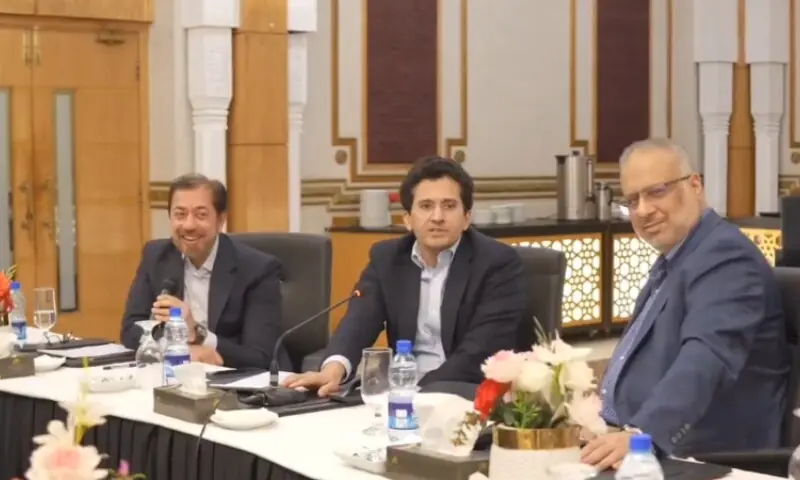
Malik raised the plan Thursday during a meeting with the board of Sui Southern Gas Company, the utility that supplies Karachi and the surrounding Sindh and Balochistan provinces. The pricing slabs “needs to be revisited,” Malik said, according to an official statement, adding that a uniform rate would need to be paired with targeted social protection for vulnerable consumers.
The minister argued the change would do more than satisfy lenders. A single price, he said, would spur greater economic activity and stem the migration of industrial and commercial customers toward alternative fuels — a trend that has weighed on gas utilities’ revenue as large consumers increasingly turn to other energy sources rather than absorb the higher end of the tariff scale.
Malik directed SSGC’s board to draft a comprehensive business strategy aimed at making the company financially self-sustaining, with particular emphasis on curbing unaccounted-for gas — the industry term for losses from theft, leakage and billing failures that have long drained utility revenues. SSGC’s managing director told the meeting the company had cut such losses by roughly 57% in volumetric terms, though executives did not specify a timeframe for the reduction.
The meeting also served as a broader review of SSGC’s operations. Executives reported no load-shedding for K-Electric, the utility that powers Karachi, nor for industrial consumers and fertilizer plants, while residential customers are receiving gas three times daily. Malik noted that consumer gas prices have held steady for the past year and that the growth of the sector’s circular debt — the chain of unpaid obligations that has plagued Pakistan’s energy industry — has nearly been arrested.
The minister said Ogra had actually approved a reduction in the prescribed gas price, but the government opted to absorb that saving rather than pass it to consumers, a decision that trimmed roughly 55 billion rupees off the circular debt stock.
Petroleum Secretary Hamed Yaqoob Sheikh told the meeting that SSGC’s board operates independently under the State-Owned Enterprises Act and should use that mandate to push efficiency measures and secure the utility’s long-term viability. Malik said the government is separately working with the World Bank on a broader package of gas-sector reforms intended to address structural weaknesses across the industry.
The board also addressed the gas situation in Balochistan, welcoming a political committee formed under Deputy Prime Minister and Foreign Minister Ishaq Dar to examine the province’s supply challenges. Malik called for the province’s gas issues — including infrastructure constraints and theft — to be resolved on a priority basis, describing the committee’s formation as a positive step toward addressing longstanding grievances.
“Public service must remain the top priority in all operational, financial and strategic decisions,” Malik said, while pressing the case for reforms to secure the company’s sustainability over the longer term.
Copyright © 2021 Independent Pakistan | All rights reserved