By Staff Reporter
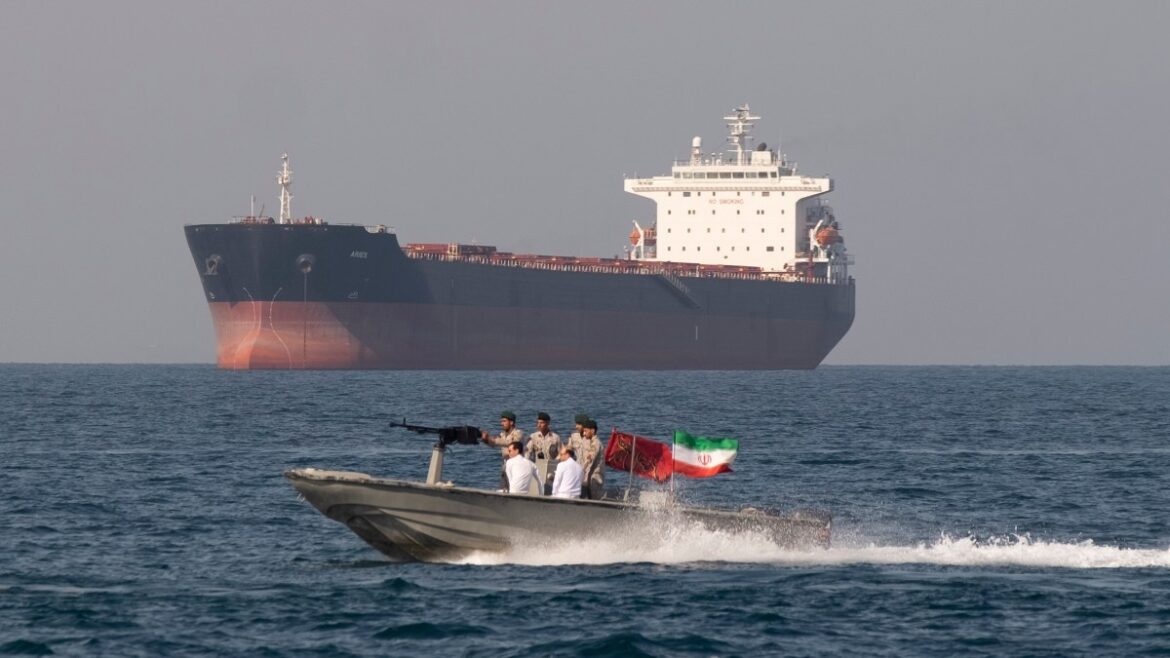
ISLAMABAD: A Pakistani-flagged tanker has transited the Strait of Hormuz by hugging the Iranian coastline, the latest sign that safe passage through the vital oil chokepoint may now depend on approval from Tehran amid the ongoing US-Israeli conflict with Iran, Bloomberg reported on Tuesday.
Vessel tracking data showed the Karachi sailed on Sunday through a narrow channel between the Iranian islands of Larak and Qeshm with its transponder signals active, before hugging the coast into the Gulf of Oman, according to the data compiled by Bloomberg. Two bulk carriers followed a similar route on Monday morning, also transmitting openly, while two India-flagged liquefied petroleum gas tankers took the passage in the early hours of Saturday. Sporadic signals placed some vessels near Larak but electronic interference prevented confirmation of full routes for all ships, Bloomberg said.
The developments come as the Strait of Hormuz, which normally carries about a fifth of the world’s oil and liquefied natural gas, remains largely closed following Iran’s response to U.S. and Israeli strikes that began more than two weeks ago. The conflict has killed at least 2,000 people with no end in sight, and U.S. allies have rebuffed President Donald Trump’s calls for assistance to reopen the waterway, driving up global energy prices and stoking inflation fears.
Iran has targeted several vessels in and around the strait since the strikes started, leaving some ships stranded in the Persian Gulf and others unable to enter, creating an unprecedented shock to energy trade. Harrison Prétat, deputy director and fellow at the Asia Maritime Transparency Initiative of the Centre for Strategic and International Studies, said the use of the coastal route appeared linked to Iran’s apparent approval of specific ships, which would be easier for Iranian authorities to control. “If the route continues to be used successfully, it could mean a traffic control system is being imposed by Iran,” Prétat told Bloomberg. “That could mean Tehran attacks vessels or uses mines on the traditional route — while maintaining a free channel for friendly tankers on the other side.”
Analysts at JPMorgan Chase & Co, including Natasha Kaneva, said in a note that the situation had created “a system in which the Strait is not formally closed, yet transit increasingly depends on political understandings with Tehran.” Martin Kelly said the transits could mark the start of a verification process by Iran, requiring ships to be approved to transit via the Strait of Hormuz by calling between Larak and Qeshm. Under normal conditions, ships avoid sailing so close to Iran for security reasons and typically follow routes toward the opposite side of the channel. At least one vessel using the traditional path was attacked last week. The limited passages have offered some reassurance to oil traders but their proximity to Iran has raised concerns among insurers and banks financing shipments. The number of ships using the route remains only a small fraction of normal traffic.”These limited authorised passages fall far short of restoring typical shipping volumes or energy flows from the region,” Prétat added.
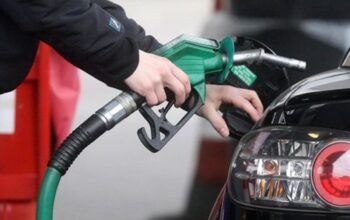
In Pakistan, the government raised petrol and diesel prices by 20% due to the supply disruptions, with federal ministers describing the increase as temporary and reversible once the conflict eases.
Russia’s Ambassador to Pakistan Albert Khorev told a news conference in Islamabad on Tuesday that Moscow was ready to supply discounted oil to Pakistan if Islamabad made a formal approach, though no such contact had yet been made. “The energy sector remains the most important pillar of our bilateral cooperation,” Khorev said, adding that any progress would depend on Pakistan taking the initiative.
Khorev described Iran’s response as directed at U.S. military installations in Gulf waters. He said the world had been taken aback by Trump’s military actions, calling the situation “complex and unpredictable” and difficult to forecast how or when current tensions would end. The envoy condemned an attack on a girls’ school in Iran that killed 170 children as “highly deplorable” and urged all parties to avoid the use of force and resolve issues through political and diplomatic means under the United Nations Charter. He criticised the actions of the United States and Israel, saying their use of force against Iran had intensified the crisis and aimed at weakening its leadership while creating divisions within the Islamic world.
Prime Minister Shehbaz Sharif, while reviewing implementation of fuel conservation and austerity measures on Tuesday, directed the petroleum minister to become more proactive in improving the supply chain of Pakistan’s petroleum imports, the Prime Minister’s Office said. Officials told the meeting that the country has adequate stocks of petroleum products and medicines to meet national requirements. The entire situation is being monitored and records of petroleum products are being maintained to immediately detect any irregularities, with the Intelligence Bureau to present a report on implementation of all measures.
The government is ensuring all relevant departments remain prepared for emergency measures until the situation improves. Cabinet members have voluntarily not taken their salaries and positive results are emerging from the reduction of fuel usage in government departments, helping provide relief to the public. Finance Minister Muhammad Aurangzeb said the government remained fully focused on ensuring the uninterrupted availability of petroleum products, noting that the current stock position and supply outlook remain stable. He directed all concerned ministries, regulators and agencies to maintain close coordination and continue rigorous monitoring of stock levels and supply flows so that the fuel supply chain remains smooth and public confidence is maintained.
Copyright © 2021 Independent Pakistan | All rights reserved