By Staff Reporter
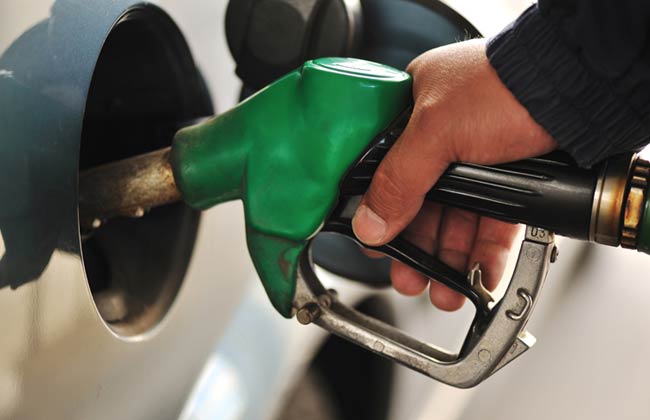
ISLAMABAD: Pakistan raised fuel prices for a second straight day, pushing petrol to 392.76 rupees a liter as the government keeps passing through swings in global oil markets caused by the war between the US and Iran.
The Petroleum Division said petrol will rise by 2.10 rupees a liter and high-speed diesel by 30 paisa, to 399.64 rupees. The prices apply from Saturday, Oct. 3, through Monday, Oct. 5. The government continues to levy 114 rupees a liter in taxes and duties on petrol and 100 rupees on diesel.
Thursday’s revision raised petrol by 3.26 rupees to 390.66 and cut diesel by 1.01 rupees to 399.34, after cuts on Wednesday that left the two fuels at 387.40 and 400.35. Local media reported that the seven-day average for petrol rose to $129.01 a barrel in Thursday’s calculation, while the diesel average fell to $110.11.
Prices remain well below their April highs. Diesel peaked at 520.35 rupees on April 3, and petrol at 458.41 rupees the same day. They had started climbing from 281 and 266 rupees, respectively, after the war began on Feb. 28. Brent settled near $109 in early April, and Europe’s diesel benchmark topped $200 a barrel for the first time since 2022. Even after the retreat, petrol is up about 48% since early March.
The government announced on July 17 that prices would be set daily instead of weekly, citing volatility after renewed hostilities between Iran and the US. Weekly revisions had been in place since early March. The Oil and Gas Regulatory Authority now publishes ex-depot prices each day, based on a rolling seven-day average of international prices.
Officials have also tightened conservation measures. Under rules reintroduced Sept. 17, shops, markets and malls must close by 9 p.m. Marriage halls and similar venues shut at 10 p.m., and restaurants at 11 p.m. Takeaway and home delivery are exempt. Fuel allocations for official vehicles have been cut by 50% for three months.
On Sept. 13, Prime Minister Shehbaz Sharif announced a relief scheme that takes 100 rupees a liter off petrol for motorcycles, three-wheeler rickshaws and cars up to 800cc. It covers an estimated 11.8 million people. About 10 million two-wheeler owners and 800,000 rickshaw users can claim relief on 20 liters a month, worth up to 2,000 rupees each. Another 1 million small-car owners get 30 liters, worth up to 3,000 rupees.
Petrol is used mainly for private transport, rickshaws and two-wheelers, so price moves land hardest on the middle and lower-middle classes. Diesel powers heavy transport, power plants and large generators, and its cost spreads more widely through the economy. Petrol and diesel are the main fuel revenue earners, with monthly sales of about 700,000 to 800,000 tonnes, against roughly 10,000 tonnes for kerosene.
Pakistan imports most of its petroleum, which leaves pump prices exposed to OPEC+ decisions, sanctions and disruption in the Strait of Hormuz and the Red Sea. About one-fifth of global oil and gas flow passed through Hormuz before the war.
Oil fell Friday after European Union countries agreed to a French proposal to release more diesel stockpiles, a source told Reuters. The move responds to a request from President Donald Trump and is meant to lower prices and reduce Europe’s need for US fuel imports. Brent fell $1.80, or 1.76%, to $100.50 a barrel at 10:49 a.m. Central time. West Texas Intermediate dropped $2.02, or 2.18%, to $90.85.
“Europe is feeling pretty vulnerable,” said Phil Flynn, senior analyst at Price Futures Group. He said Europe would be among the regions hardest hit if the US imposed a diesel export ban.
Copyright © 2021 Independent Pakistan | All rights reserved