By Staff Reporter
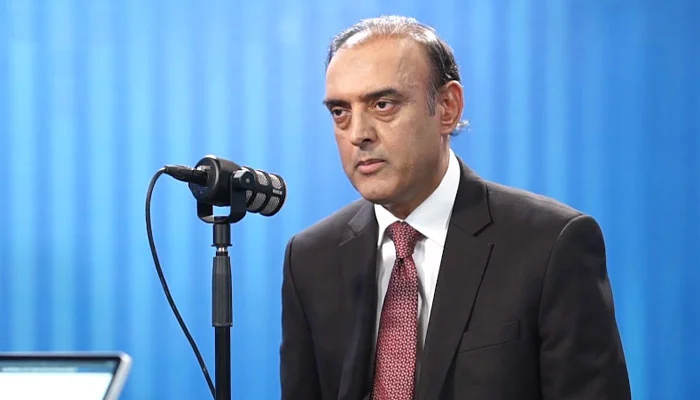
KARACHI: Pakistan’s central bank governor pushed back against a recent downgrade of the country’s growth outlook by the International Monetary Fund, arguing that the economic recovery is proving broader and more resilient than headline trade figures suggest.
In written responses to Reuters, State Bank of Pakistan Governor Jameel Ahmad said the rebound spans all three major sectors — agriculture, industry, and services — despite a first-half contraction in exports and a widening trade deficit. The SBP lifted its forecast for fiscal 2026 growth to a range of 3.75% to 4.75% at its January monetary policy meeting, up half a percentage point from its prior estimate.
The divergence stems from timing differences, including the IMF’s inclusion of flood-related damage assessments in its latest projections, Ahmad said. “All these sources and indicators, along with FY26-Q1 data, point to a broad-based recovery in all three sectors of the economy,” he wrote. Ahmad highlighted agriculture’s resilience in the face of last year’s floods, noting that the sector is “even performing better than its targets.”
On the monetary front, financial conditions have loosened markedly after a cumulative 1,150-basis-point reduction in the policy rate since June 2024, with the full effects still working their way through the economy. This easing is bolstering growth while safeguarding price and external stability, he added.
The comments come as Pakistan navigates a fragile recovery from a balance-of-payments crisis, underpinned by a $7 billion IMF bailout program. The SBP surprised markets last month by holding its benchmark interest rate steady at 10.5%, bucking widespread calls for another cut amid cooling inflation. Pakistan’s history of boom-and-bust cycles has left investors wary, with past expansions often fueling currency depreciation and draining foreign reserves.
Ahmad sought to address those concerns, pointing to high-frequency data and a 6% expansion in large-scale manufacturing from July to November as signs of firming domestic demand. The export slump, he explained, owes more to depressed global commodity prices and temporary border closures than to underlying weakness in activity.
Meanwhile, robust remittances are cushioning the blow from the larger trade shortfall, keeping the current-account deficit contained within 1% of gross domestic product. Foreign-exchange reserves are running ahead of IMF targets, with further upside from seasonal Eid inflows, Ahmad said. “Additionally, if the government decided to tap global capital markets for any debt issuance, then that would be on the upside of our current assessment.”
To that end, Islamabad is gearing up to sell panda bonds—yuan-denominated debt issued in China’s onshore market—around the Lunar New Year, part of a push to diversify funding sources and expand its investor pool beyond traditional multilateral lenders. The SBP has been actively mopping up dollars in the interbank market to fortify buffers, with transaction details disclosed on a regular basis, Ahmad noted. Still, he cautioned that while macroeconomic stability has strengthened, deeper structural overhauls are essential to lock in higher growth rates and boost productivity over the long haul.
The rupee has held relatively steady this year, trading around 278 to the dollar, as authorities prioritize reserve buildup amid lingering external vulnerabilities. Pakistan’s economy expanded 2.5% in the prior fiscal year, hampered by flood disruptions and austerity measures tied to the IMF deal. Analysts will be watching upcoming data releases closely, including second-quarter GDP figures, to gauge whether Ahmad’s optimism holds up against the IMF’s more cautious 3.2% projection for the year.
Copyright © 2021 Independent Pakistan | All rights reserved