By Staff Reporter
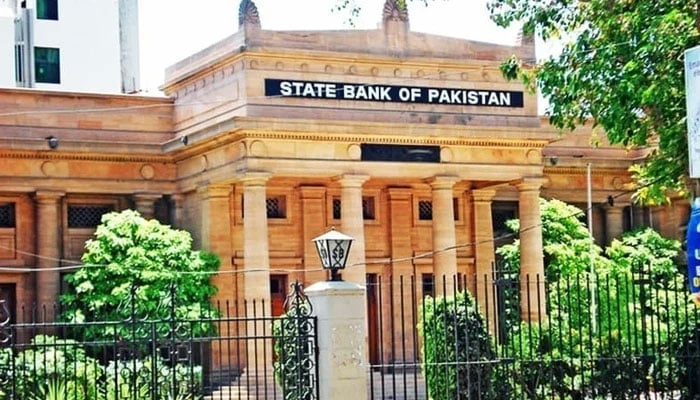
KARACHI: The State Bank of Pakistan is poised to keep its key policy rate unchanged at 10.5% when it concludes its second monetary-policy review of 2026 on Monday, a Reuters poll of analysts showed, with rising global energy costs and fresh risks from the Middle East constraining any further cuts.
All 10 economists surveyed by Reuters predicted no move, matching the central bank’s decision to hold steady in January. That came after an aggressive easing cycle that sliced the rate by a cumulative 11.5 percentage points from a record 22% in mid-2024.
Escalating tensions in the Middle East following US and Israeli strikes on Iran have raised the threat of disruptions to shipping through the Strait of Hormuz, pushing oil and gas prices higher. For an economy that imports the bulk of its fuel, the shift is feeding directly into a larger import bill and renewed inflationary pressure.
Analysts expect consumer-price growth to average 6% to 8% in the months ahead, though they cautioned that a sustained rise in crude could push the figure even higher. “Energy prices should dictate the policy rate trajectory,” said Muhammad Aliv, an analyst at AKD Securities in Karachi. “Inflation could average around 7% during the second half of FY26.”
Pakistan’s heavy dependence on imported energy leaves it especially exposed to global price swings. Higher oil costs are already widening the trade deficit and weighing on the rupee, according to Waqas Ghani, head of research at JS Capital. “Every $10 per barrel increase in crude prices adds about 0.5 percentage points to inflation,” Ghani said.
Headline inflation accelerated to 7% in February from 5.8% in January. Under its $7 billion International Monetary Fund program, the SBP has emphasised the need to maintain a positive real interest rate to keep inflation expectations anchored. Officials acknowledge that price growth may breach the central bank’s 5%-7% target band for several months this year as domestic demand strengthens and imports push the trade gap wider.
Governor Jameel Ahmad signaled last month that policymakers would stay focused on medium-term stability even as the economy is projected to grow between 3.75% and 4.75% in fiscal 2026, supported by firmer consumption and the lagged effects of earlier monetary easing. Analysts said the combination of elevated oil prices, rupee weakness and a widening trade deficit means any additional rate cuts are likely to be delayed.
Copyright © 2021 Independent Pakistan | All rights reserved