By Staff Reporter
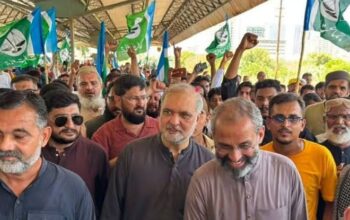
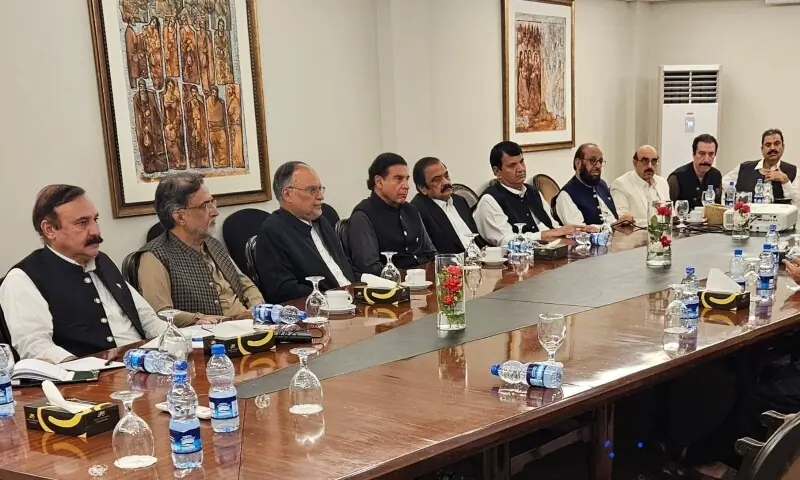
ISLAMABAD: A second round of negotiations convened on Friday in Muzaffarabad between the government officials and the Joint Awami Action Committee (JAAC), a civil society alliance spearheading weeks of protests that have plunged Azad Jammu and Kashmir into turmoil, as both sides sought to defuse a crisis marked by deadly violence and a regionwide shutdown.
The talks follow the collapse of earlier discussions last week involving the JAAC, the Azad Jammu and Kashmir (AJK) government, and federal ministers. Disputes over elite privileges and reserved parliamentary seats for Kashmiri refugees fueled the breakdown, sparking clashes that have left at least 10 people dead and dozens critically injured, according to local reports.
What began as largely peaceful demonstrations has spiraled into chaos, with rival groups trading blame for the violence. Friday’s session, the second in two days, came as a shutter-down strike and communications blackout paralyzed AJK, halting commerce and severing mobile and internet access since Monday. JAAC leaders have vowed to press their demands, including the abolition of government perks and greater political representation, until fully addressed.
Parliamentary Affairs Minister Tariq Fazal Chaudhry, a key negotiator, expressed guarded optimism in a post on X. “We fully support the rights of the people of Kashmir,” he wrote, noting that most JAAC demands, which focus on public-interest reforms, have been accepted. “Constitutional amendments are required to fulfill the remaining few demands, and talks are ongoing regarding that. We believe that violence is not the solution to any problem. We hope that the Action Committee will resolve all issues through peaceful dialogue.”
Chaudhry’s delegation, detailed in an earlier X post, includes prominent figures: PPP leader Raja Pervez Ashraf, Senator Rana Sanaullah, Planning Minister Ahsan Iqbal, Religious Affairs Minister Sardar Yousaf, Adviser to the Prime Minister on Kashmir Affairs Qamar Zaman Kaira, Masood Ahmed, and Kashmir Affairs Minister Amir Muqam Chaudhry. Their involvement signals Islamabad’s urgency to resolve a crisis drawing global attention to Pakistan’s handling of Kashmir.
The renewed talks follow Prime Minister Shehbaz Sharif’s directive on Thursday, when he voiced “deep concern” over the unrest and ordered negotiators to Muzaffarabad for an “immediate and lasting solution.” The protests have not only disrupted daily life but also revived long-standing grievances over governance, economic disparities, and political representation for displaced Kashmiris.
As the strike stretched into its third day, empty streets and shuttered shops defined Muzaffarabad and other towns. The communications blackout, widely criticized as an attempt to suppress dissent, has deepened local frustration. The Human Rights Commission of Pakistan (HRCP) raised alarm in an X post, saying that “at least nine people, including three police officers, have lost their lives and hundreds have been injured during protests.”
The group condemned “the use of excessive force and the deaths of civilians and law enforcers alike as well as communication blackouts.” “Dialogue is essential, but it cannot be meaningful amid the continued political disenfranchisement of the region’s people,” the HRCP said, stressing that “the right to peaceful protest must be upheld and grievances addressed transparently.” It urged federal and AJK authorities to avoid further escalation and respect fundamental rights, announcing plans for a fact-finding mission to assess the situation.
Copyright © 2021 Independent Pakistan | All rights reserved