By Staff Reporter
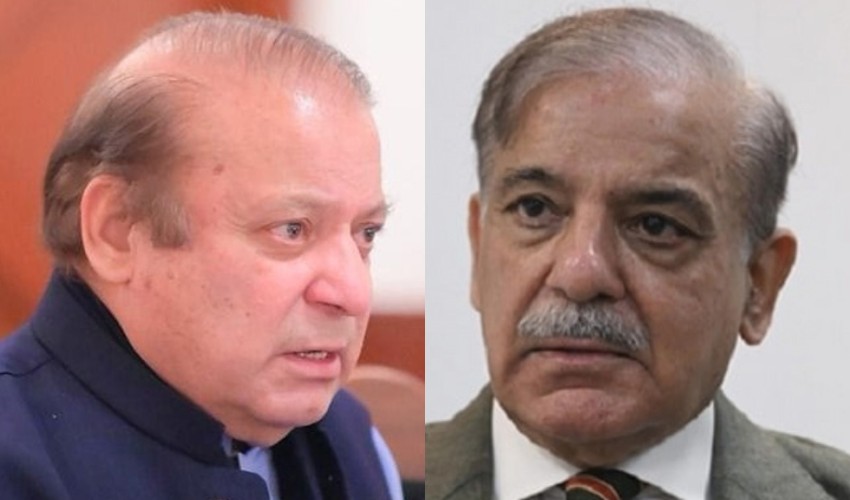
Prime Minister Shehbaz Sharif has briefed his brother Nawaz Sharif, the ruling party’s president and a former premier, on the security crisis in Khyber Pakhtunkhwa, in the fifth week of the federal emergency rule in the province.
The meeting took place at elder Sharif’s residence in Jati Umra. Ishaq Dar, the deputy prime minister and foreign minister, and Maryam Nawaz, the Punjab chief minister and Nawaz Sharif’s daughter, were present.
The Prime Minister’s Office said Nawaz Sharif was briefed on the government’s reforms, particularly on the economy, and on the challenges facing the country. Radio Pakistan said the prime minister described the law and order situation in Khyber Pakhtunkhwa and recent initiatives for the province’s development, and that the two discussed “other matters of national importance”.
Both Sharifs have defended the emergency. Shehbaz Sharif has said the government was “compelled” to act over security concerns, while Nawaz Sharif has argued that the intervention should have come much earlier.
President Asif Ali Zardari approved the proclamation on 11 October, on the prime minister’s advice and under Articles 232 and 234 of the constitution. The federal government cited a worsening law and order situation, a rise in terrorist attacks and the provincial PTI government’s “deliberate disengagement” from the fight against terrorism. The chief minister, cabinet members, advisers and advocate general left office, and Governor Faisal Karim Kundi took over the powers assigned to him by the federal government. The removal of Chief Minister Sohail Afridi followed weeks of confrontation between Islamabad and the province over counterterrorism policy, including the PTI’s planned long march to the capital. The army was deployed to assist the civil administration, an 11-member advisory council was formed, and 12 districts were placed directly under the federation. The PTI rejected the move.
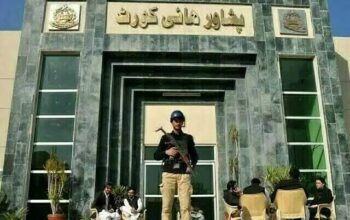
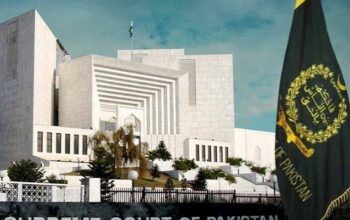
Legal challenges to the proclamation ended at provincial level over the weekend. The Federal Constitutional Court on Friday stripped the Peshawar High Court of jurisdiction over cases from the province filed after 12 October, including those on the emergency and governor’s rule. On 5 November it had already barred the high court from hearing cases on arrests under the Maintenance of Public Order ordinance.
On Saturday the high court’s administrative committee issued a notification complying with those orders, and all such petitions were removed from the cause list. Petitions filed under Article 199 are to be returned, and petitioners have been told to approach the appropriate forum. Those affected included petitions from PTI chairman Gohar Ali Khan, opposition leader Mahmood Khan Achakzai and the provincial Bar Council, as well as pleas seeking the recovery of Mr Afridi, the assembly speaker and the PTI’s provincial president.
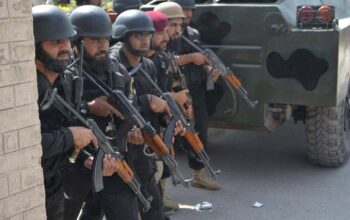
The new administration has said improving counterterrorism measures is its first priority. At a briefing in Peshawar on Saturday, Governor Kundi said the provincial government had planned Rs70 billion for the police and Rs10.3 billion for the Counter Terrorism Department in the current financial year. Anti-drone systems are planned for Dera Ismail Khan, Lakki Marwat and Bannu, and officials said the province is short of about 17,000 police personnel.
Attacks have continued despite intelligence-based operations by the security forces, with police and security personnel increasingly coming under fire. Security reports presented to the federal cabinet showed terrorist incidents in the province rising by 195 per cent between March 2024 and September 2026. They recorded 170 drone attacks on police and security forces in 2026, against none in 2024.
Copyright © 2021 Independent Pakistan | All rights reserved