By Staff Reporter
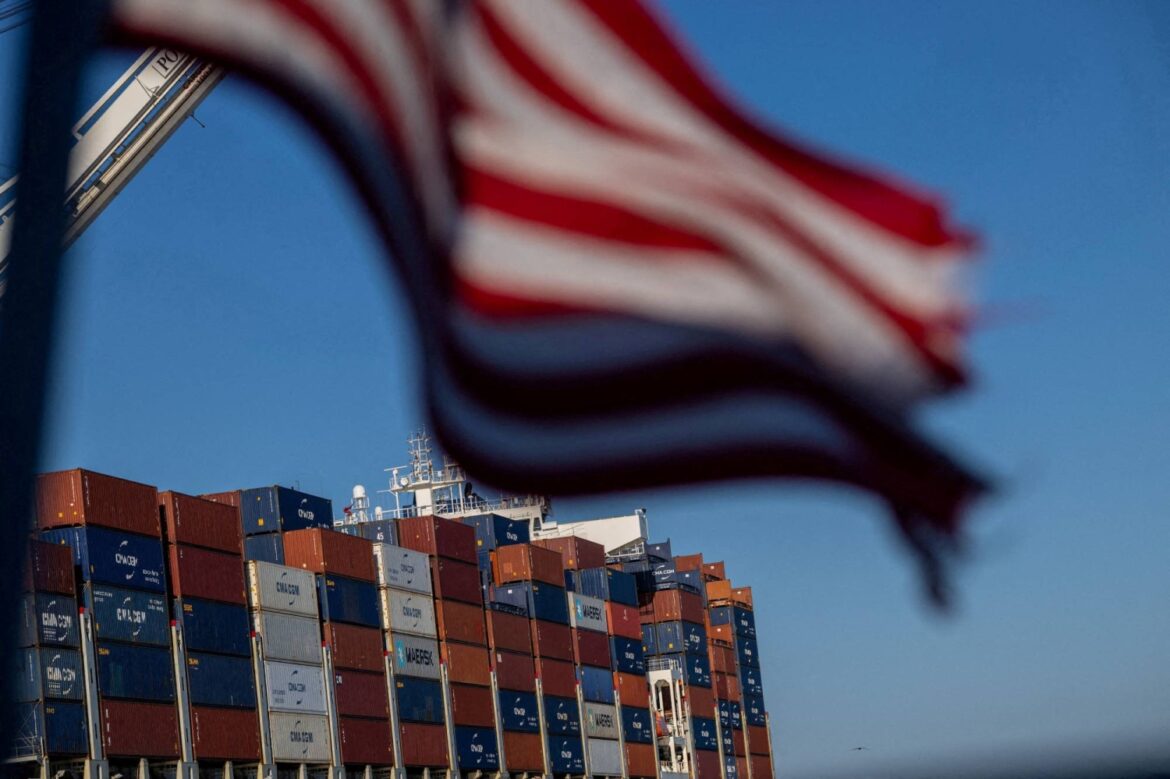
KARACHI: The US Trade Representative proposed new tariffs on imports from 60 economies — spanning trade giants including China, India, the European Union and Pakistan — alleging widespread failures to prohibit goods made with forced labor, as the Trump administration moves to reassemble its trade enforcement agenda after a series of legal reversals.
The duties, ranging from 10% to 12.5%, were unveiled on Tuesday following months of USTR investigations into whether major trading partners were adequately blocking forced-labour goods from entering their markets and whether that failure was damaging American commerce. A public comment period runs through July 6, after which the agency will hold hearings before any final determination.
“The failure of our most important trading partners to address the importation of goods made with forced labour is unacceptable,” USTR Jamieson Greer said in a statement. “This creates a dynamic where American workers are forced to compete globally on an unlevel playing field. We will no longer tolerate this disparity.”
The USTR drew a distinction between two categories of offenders. Fifty-four economies — including China, Vietnam, Taiwan, the United Kingdom and India — were found to have failed entirely to impose and effectively enforce a forced-labour import prohibition. A second group of six economies, comprising Canada, Ecuador, the EU, Indonesia, Mexico and Pakistan, was deemed to have such prohibitions in place but to be enforcing them inadequately.
Despite that distinction, the tariff structure treats both groups similarly. The agency said it intends to impose 10% duties on imports from Canada, Ecuador, the EU, Indonesia, Mexico, Pakistan, Argentina, Bangladesh, Cambodia, El Salvador, Guatemala, Malaysia, Taiwan and the UK, among others. The remaining 45 countries in the probe face proposed duties of 12.5%.
Certain product categories are carved out. Beef, coffee and selected fruits and nuts are exempt, as are goods from Canada and Mexico that qualify under the US-Mexico-Canada Agreement. Some textile and apparel imports also fall outside the proposed measures.
The announcement carries particular timing significance. It comes ahead of July 24, when a 10% temporary tariff imposed by the administration on February 20 is set to expire — the same date the Supreme Court struck down President Donald Trump’s use of the International Emergency Economic Powers Act as the legal basis for broad tariff authority. That ruling forced the administration to seek an alternative statutory footing for its trade agenda, and Tuesday’s action represents one avenue under that effort, relying instead on trade law provisions tied to labour and commerce findings.
Greer said trading partners must collectively do more to ensure that global commerce does not, as he put it, “perversely encourage and entrench forced labour globally.”
The investigations that underpinned Tuesday’s announcement were launched earlier this year and covered a broad sweep of Washington’s major commercial partners, including China, the EU and Japan. The probes examined not only whether those economies had adopted legal prohibitions on forced-labour goods, but whether enforcement was substantive enough to prevent market distortions that disadvantage American producers and workers.
Copyright © 2021 Independent Pakistan | All rights reserved