
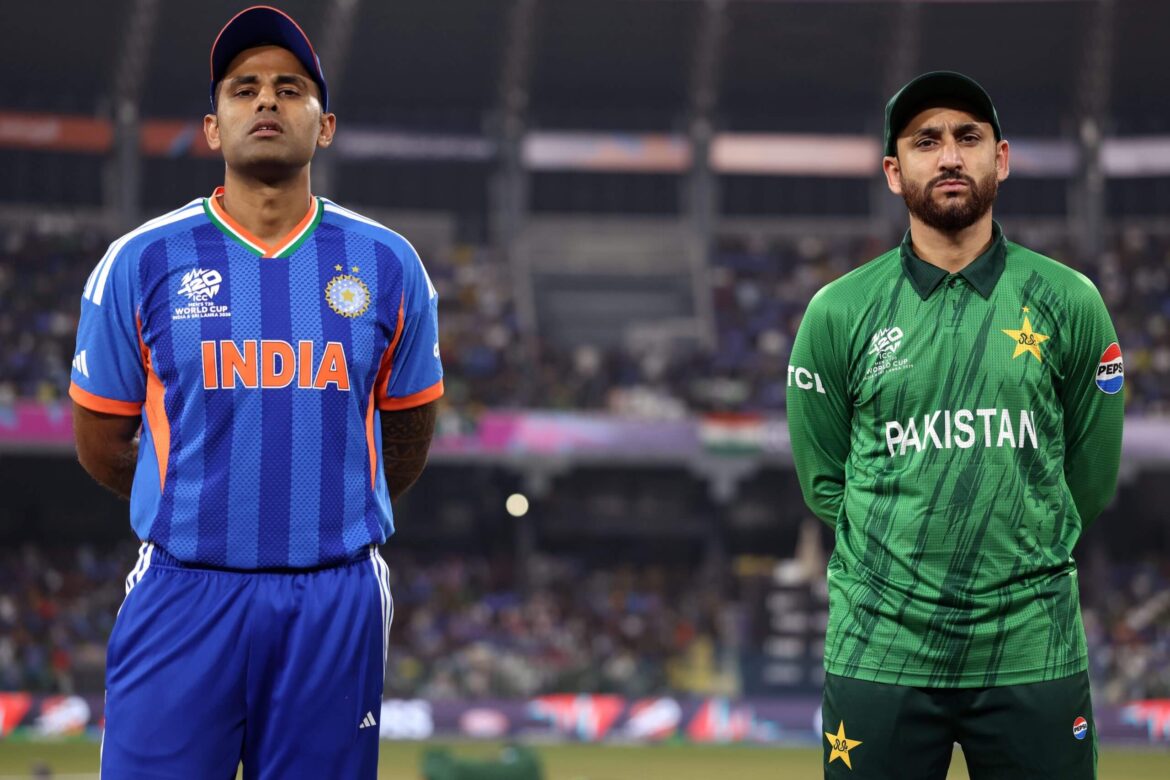
Colombo did its best to stage the spectacle. Grey skies, armed security, the familiar inflation in fake jerseys. For a week, the cricket world held its breath over whether Pakistan would even turn up. In the end, they did – not out of sporting spirit, but because the money spoke louder than solidarity with Bangladesh. And what followed was less a contest than a public execution, dressed up as the greatest rivalry in the game. India won by 61 runs. It was their eighth victory in nine T20 World Cup meetings, their 13th in the last 17 white-ball encounters overall. Ishan Kishan’s 77 off 40 balls was the highlight of a one-sided batting display; Pakistan’s reply was a procession, slumping to 13 for 3 inside three overs and folding for 114. Usman Khan’s 44 offered the only flicker of resistance. The rest was surrender.
Top Stories

Petrol up Rs5, diesel Rs7.32 in latest biweekly price review
ISLAMABAD: The government increased the price of petrol by Rs5 a liter and high-speed diesel by Rs7.32 a liter, according to a notification issued by the Petroleum Division late Sunday night.
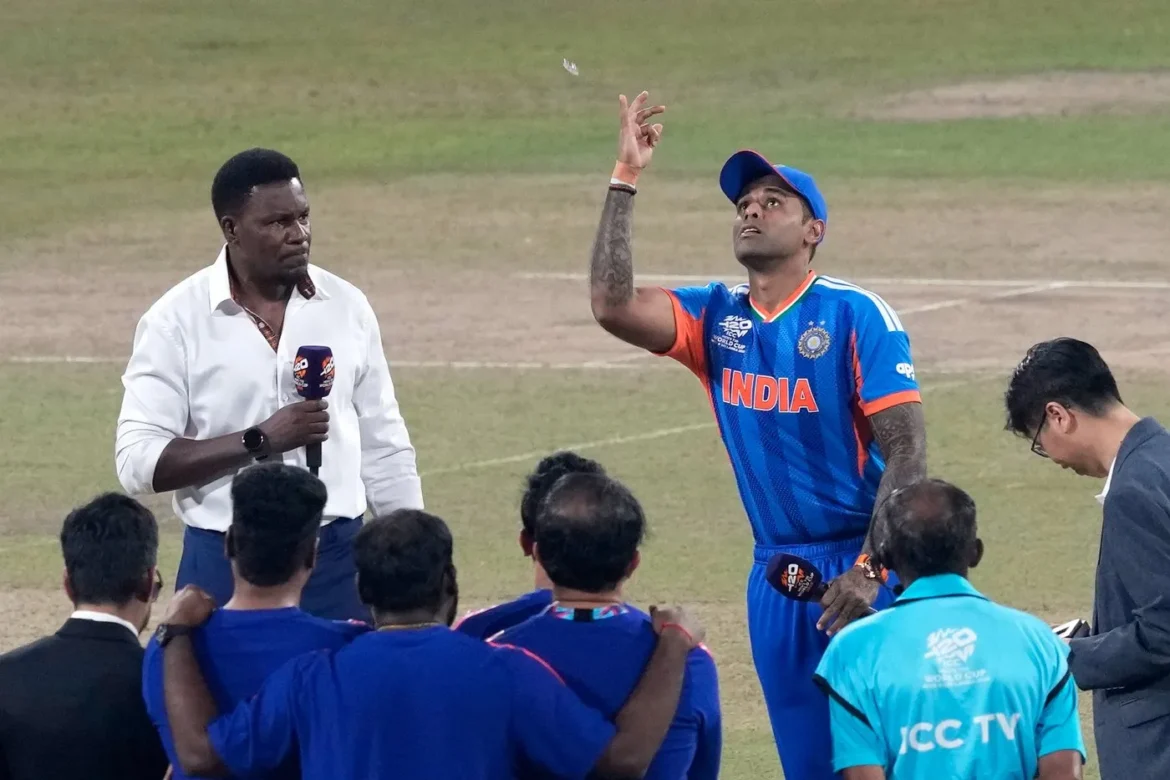
India thrashes Pakistan by 61 runs to seal Super Eights berth
By Staff Reporter KARACHI: India produced a performance of clinical authority to thrash Pakistan by 61 runs in their T20 World Cup group-stage clash at
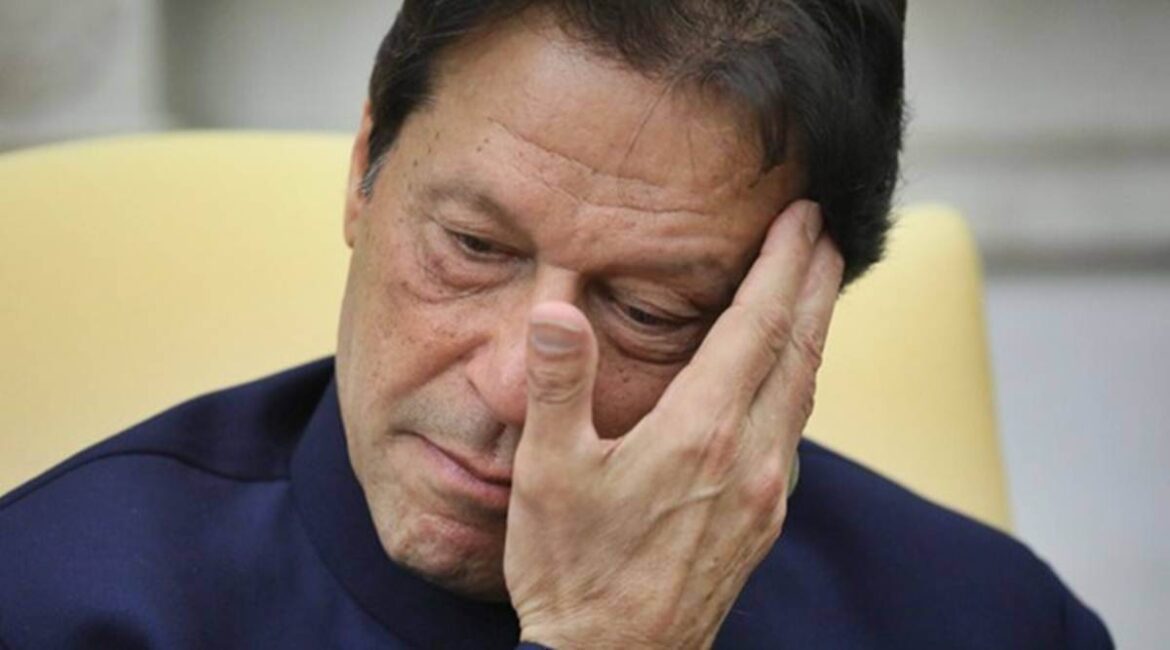
Doctors examine jailed ex-PM Khan’s eyes in Adiala prison, PTI rejects process as ‘malicious’
ISLAMABAD: A five-member team of doctors carried out a one-hour eye examination of former Prime Minister Imran Khan inside Adiala jail on Sunday, sources said, as the opposition alliance pressing for his transfer to a hospital continued its sit-in at Parliament House for a third day.

At least 11 killed in Sindh bus-trailer crash on national highway
KARACHI: At least 11 people were killed when a passenger bus slammed into a trailer loaded with heavy concrete girders on the National Highway in southern Sindh province early on Sunday, rescue officials and police said.

Arif Habib-led consortium to buy remaining 25% stake in PIA
KARACHI: A consortium led by Arif Habib Group has said it intends to acquire the government’s remaining 25% stake in the national flag carrier Pakistan International Airlines, completing the privatisation of the loss-making airline.
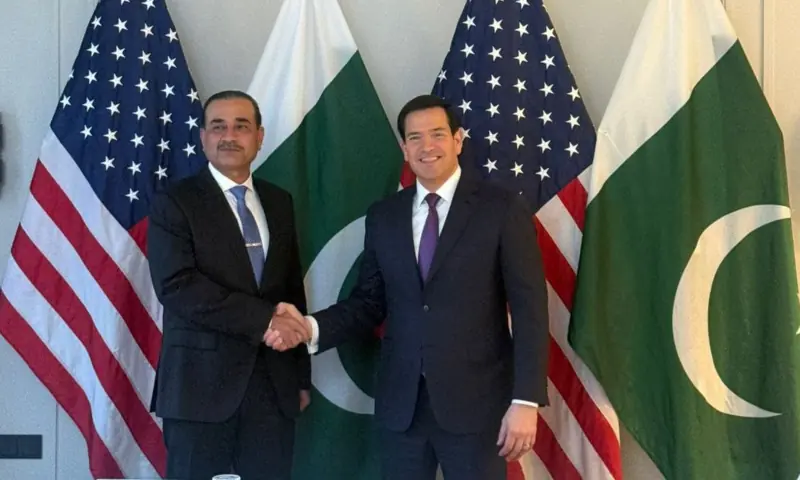
Army chief Munir holds talks with Rubio on regional security on sidelines of Munich forum
ISLAMABAD: The Chief of Defence Forces and Chief of Army Staff Field Marshal Syed Asim Munir met US Secretary of State Marco Rubio to discuss global and regional security dynamics and counterterrorism cooperation, the Pakistani military said on Sunday.
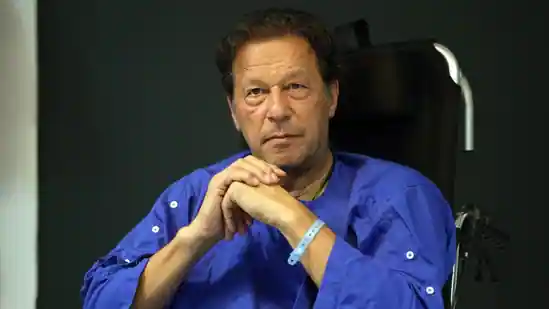
Doctors examine jailed ex-PM Khan in prison as opposition sit-in over his health enters third day
ISLAMABAD: A team of specialist doctors was carrying out a medical examination of former Prime Minister Imran Khan inside Adiala jail on Sunday, private Geo television reported, as a sit-in by the main opposition alliance over concerns about his health stretched into a third day.
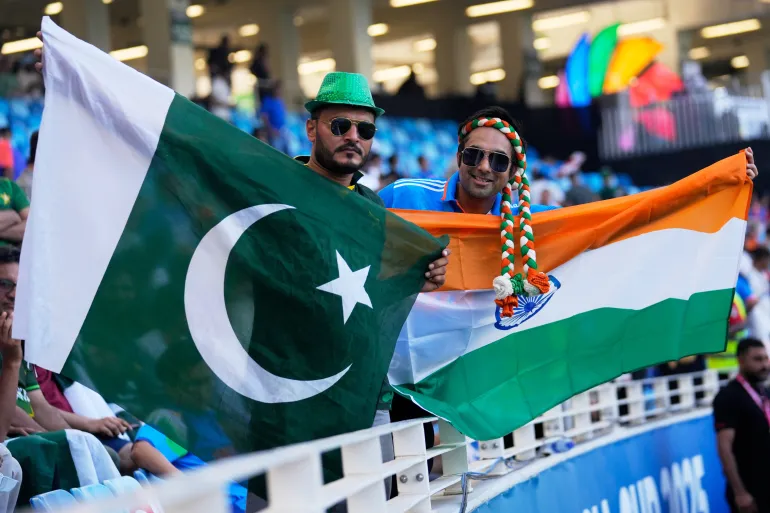
India vs Pakistan: The rivalry that cricket refuses to let die
In the end, it took the full machinery of international cricket’s diplomacy – late-night talks in Lahore, interventions from the ICC, quiet words from friendly nations – to ensure that the fixture everyone knew had to happen actually would. For a few fraught days this month, the T20 World Cup’s marquee clash between India and Pakistan teetered on the edge of cancellation, another casualty of the region’s tangled politics. That it survived, to be played on Sunday evening at Colombo’s R. Premadasa Stadium, says something profound about the strange, stubborn power of this particular contest. It does not merely sustain cricket; in many ways, it defines it.
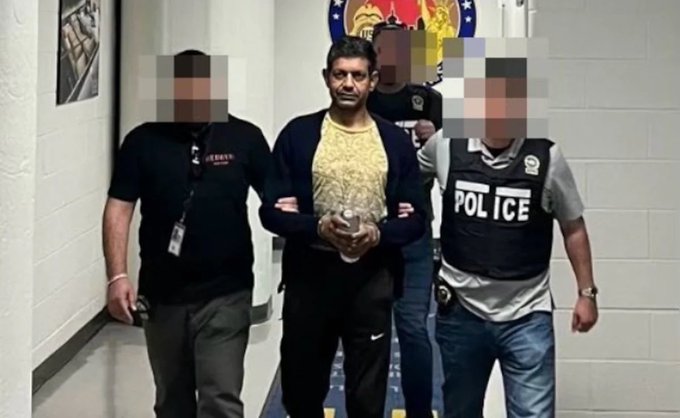
India’s Murder-for-Hire Scheme
Few moments in recent diplomacy have laid bare the contradictions of America’s foreign policy quite like the guilty plea of Nikhil Gupta. The guilty plea entered by Gupta in a Manhattan federal courtroom last Friday marks a grim milestone in what US and Canadian officials have described as a brazen effort by elements within the Indian government to silence Sikh separatists abroad. Gupta, a 54-year-old Indian national, admitted to charges of murder-for-hire, conspiracy to commit murder-for-hire, and money laundering conspiracy, acknowledging his role in a failed scheme to assassinate Gurpatwant Singh Pannun, a US citizen whose crime, in the eyes of his would-be killers, was advocating for Sikh independence. This case isn’t just a courtroom drama; it’s a window into how Prime Minister Narendra Modi’s India is testing the limits of its partnerships with the West, pursuing dissidents across borders in ways that smack of old-school authoritarianism and, in many cases, state-sponsored terrorism.