By Staff Reporter
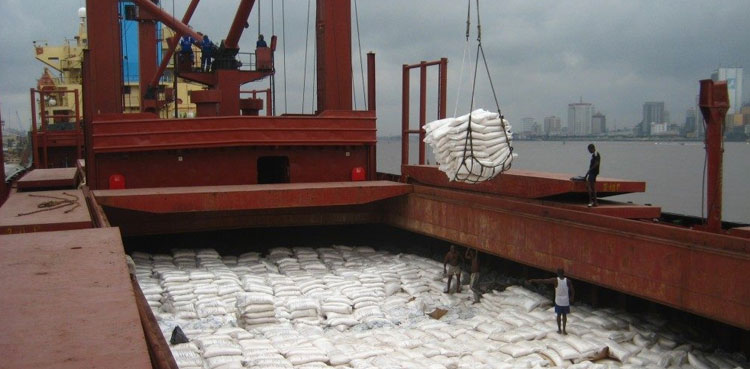
KARACHI: No trading companies submitted price offers for Pakistan’s international tender to purchase 50,000 metric tons of sugar, which closed on Tuesday, according to initial assessments by European traders cited by Reuters.
The flop marks a setback for the government’s efforts to stabilise soaring domestic sugar prices amid a deepening supply crisis.
The state-run Trading Corporation of Pakistan (TCP) had sought loading of the sugar between August 1 and August 15, with arrival required by August 30—a timeline traders described as too tight to attract realistic bids. The tender, originally launched on July 11 for 300,000 metric tons with a deadline of July 18, 2025, was drastically cut to 50,000 metric tons in a corrigendum issued a day later, extending the bid deadline to July 22, 2025.
The sharp reduction, slashing the import volume by more than 80%, followed reported concerns from the International Monetary Fund (IMF) over tax exemptions on sugar imports, which the fund views as a threat to Pakistan’s $7 billion loan program. The IMF rejected Pakistan’s claim that tax-free imports were justified by a food emergency, sources familiar with the matter said, though no official statement from the fund has been released.
Pakistan’s finance ministry also objected, telling the Prime Minister’s Office that the cabinet approved the import plan without its input. The ministry warned that waiving duties and taxes on sugar imports breached commitments to the IMF, including a pledge against new tax exemptions or preferential treatments. “These breaches could detract from the IMF programme,” the ministry cautioned, according to people briefed on the matter.
The failed tender underscores the mounting challenges Pakistan faces as it grapples with a sugar crisis that has driven retail prices up 36% since January to Rs200 per kilogram, from Rs140. Domestic production fell 14% this year to 5.9 million metric tons, hit by adverse weather and lower cane yields, while exports skyrocketed 2,200% in the last fiscal year. Between July and May, Pakistan shipped out 765,734 metric tons of sugar, raking in Rs114 billion in revenue but draining local stocks.
The Pakistan Sugar Mills Association (PSMA) estimates that the current 2.8 million metric tons in reserve will last only until November, given monthly consumption of 535,000 metric tons against an annual demand of 6.4 million metric tons. Critics contend that last year’s export approvals favored millers’ profits, bolstered by the Rs114 billion windfall, over consumer affordability, a policy the government once defended by pointing to ample supplies.
In response to escalating prices, the government on July 8 approved importing 500,000 metric tons of sugar. To ease the process, the Federal Board of Revenue (FBR) scrapped customs duties, slashed the sales tax rate from 18% to 0.25%, and cut withholding tax to 0.25% for imports by the TCP or private sector. The import price is pegged at about Rs245 per kilogram, though final costs hinge on successful bids.
A day before revising the tender, the government raised the ex-mill sugar price to Rs165 per kilogram, up Rs25 from last June’s rate, aiming “to ensure affordability,” according to an official statement. Yet the latest tender’s failure signals that securing supply won’t be straightforward.
Finance Secretary Imdadullah Bosal told the National Assembly’s Standing Committee on Finance last week that talks with the IMF are underway over the tax exemptions, despite a structural benchmark with the fund barring such breaks. The outcome of those negotiations could shape the government’s ability to shore up sugar stocks without derailing its loan program.
Copyright © 2021 Independent Pakistan | All rights reserved