By Staff Reporter
ISLAMABAD: The Maritime Ministry is pushing forward with an ambitious plan to launch a ferry service for Zaireen (pilgrims) traveling to Iran and Iraq after a ban on land route during Arbaeen on security risks.
The initiative, aimed at providing a secure and affordable alternative, comes as hundreds of thousands of Pakistani Shia Muslims prepare to commemorate the chehlum of Imam Husain, a key religious observance, amid growing tensions with the government.
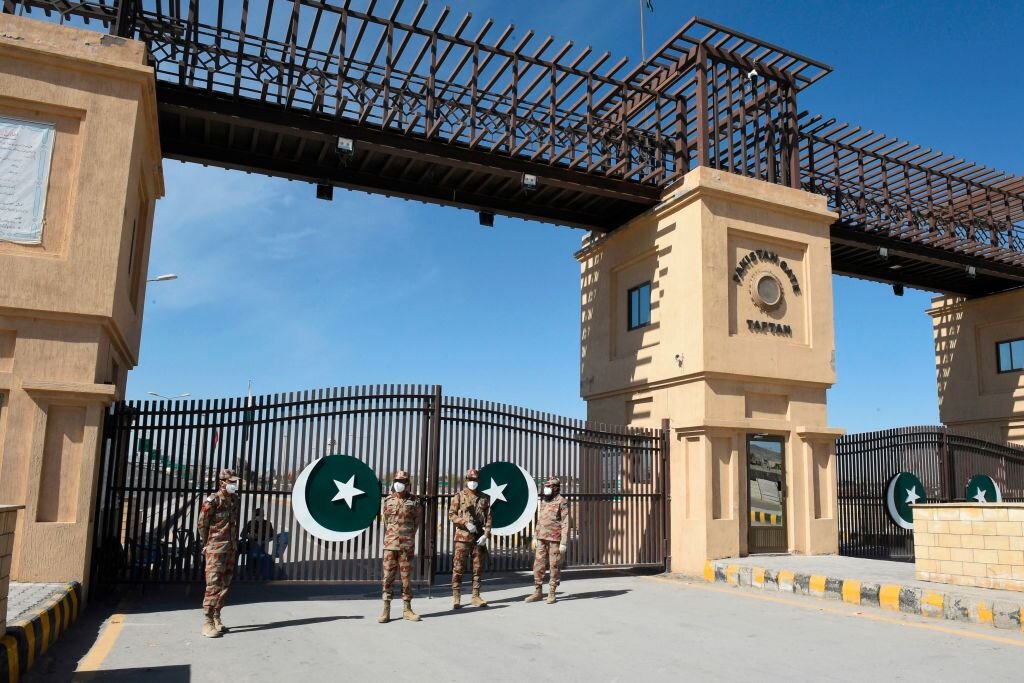
The deadlock centers on the government’s decision to prohibit land travel to Iran for security reasons, a move that has sparked outrage among political groups representing the Shia community.
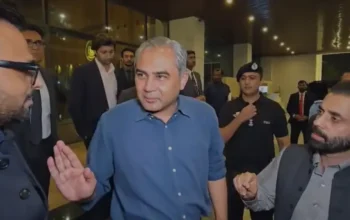
As talks falter, Maritime Affairs Minister Muhammad Junaid Anwar Chaudhry is championing the ferry service as a solution, calling for swift action and sweeping reforms to make it a reality. On Friday, Chaudhry met with Shipping and Ports Director General Alia Shahid and stressed the urgency of launching Pakistan’s first ferry service.
The minister highlighted the need to overhaul licensing procedures and provide financial support for operators to ensure the service is both affordable and efficient. “Beyond tourism and business, this service can greatly facilitate religious travel. We can offer pilgrims a secure, affordable and efficient option for their journeys,” Chaudhry said.
The minister pointed to the economic potential of the initiative, noting that between 700,000 and one million Pakistani Zaireen travel to Iran and Iraq annually. “If 20 percent of these pilgrims opt for ferry services in the first three years, it could result in 140,000 to 200,000 passengers annually,” he said, underscoring the significant economic boost the service could deliver. “If implemented effectively, this service could become a vital new transport link across the region,” he added.
The Maritime Ministry is moving quickly to finalise the details. Stakeholder consultations, including with private operators and regional maritime authorities, are already underway, and feasibility studies and regulatory frameworks are being developed. A pilot launch is expected in the coming weeks, though a detailed roadmap for the service is still in the works.
To speed up the process, Chaudhry has ordered that the ferry licensing system be fully digitized and integrated into the Pakistan Single Window platform, mirroring the existing process for ship registration. He has also directed that the current six-month licensing period be slashed to just one month. “There’s no justification for a half-year delay,” he said. “We must eliminate red tape and act decisively.”
The ministry is also focused on attracting private sector investment. “Our aim is to support, not hinder, entrepreneurs who wish to invest in this sector,” Chaudhry said. To that end, officials have proposed a hybrid financial model that relies on bank and insurance guarantees to reduce risks for operators and encourage participation.
While the ferry service plan gains momentum, the dispute over the land travel ban shows no sign of resolution. On Thursday, a joint delegation from Majlis Wahdat-i-Muslimeen (MWM) and the Shia Ulema Council (SUC) submitted a written proposal to the Ministry of Interior, demanding the ban’s immediate reversal.
The group, which included Nasir Shirazi, Allama Ahmed Iqbal Rizvi, and Asad Naqvi from MWM, as well as Allama Shabbir Meesami, Allama Arif Wahidi, and Zahid Akhunzada from SUC, also called for the government to facilitate the movement of roughly 80 buses stranded in Quetta, waiting to reach the Gabd-Rimdan border crossing into Iran.
The government’s response has been slow. Key officials, including the Minister of State for Interior, were tied up with security meetings ahead of the Iranian president’s arrival on Saturday, leaving the delegation without a meeting or a clear answer. “We are awaiting the government’s response and will announce our future strategy after the government’s decision,” said one member of the negotiating team.
Nasir Shirazi, secretary general of MWM, expressed frustration over the delay. “The government must take this matter seriously. We want the issue to be resolved through dialogue, so that the pilgrims may travel to Karbala,” he said. “But it seems the authorities are not understanding the pressure we are under, with many pilgrims also belonging to the Ahle Sunnah school of thought.”
Copyright © 2021 Independent Pakistan | All rights reserved