By Staff Reporter
ISLAMABAD: Authorities imposed a curfew in North Waziristan on Friday, responding to rising security threats, while a traditional tribal assembly, known as a jirga, sought to convince militant leaders in the neighboring Bajaur district to withdraw.
These actions mark the latest efforts to quell unrest in Pakistan’s merged districts of Khyber Pakhtunkhwa, where a recent surge in militant activity, particularly along the volatile Afghan border, has rattled local communities and authorities alike. The moves come amid heightened tensions in the region.
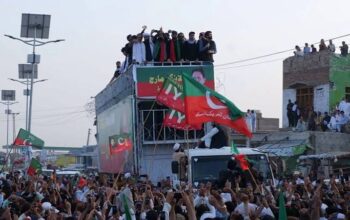
In North Waziristan’s Shewa tehsil, a peace march unfolded Friday, drawing tribal elders, representatives from all political parties, members of the Utmanzai Jirga, the Youth of Kabul Khel, and activists from the Pashtun Tahafuz Movement (PTM).
The gathering served as a platform to decry the worsening law-and-order situation.
Addressing the crowd, Mufti Baitullah, spokesman for the Utmanzai Jirga, voiced a shared anguish. “People are living in constant fear due to the re-emergence of militant elements and poor government strategies,” Baitullah said. He pressed state institutions to deliver “immediate and sustainable peace” to a region weary of violence.
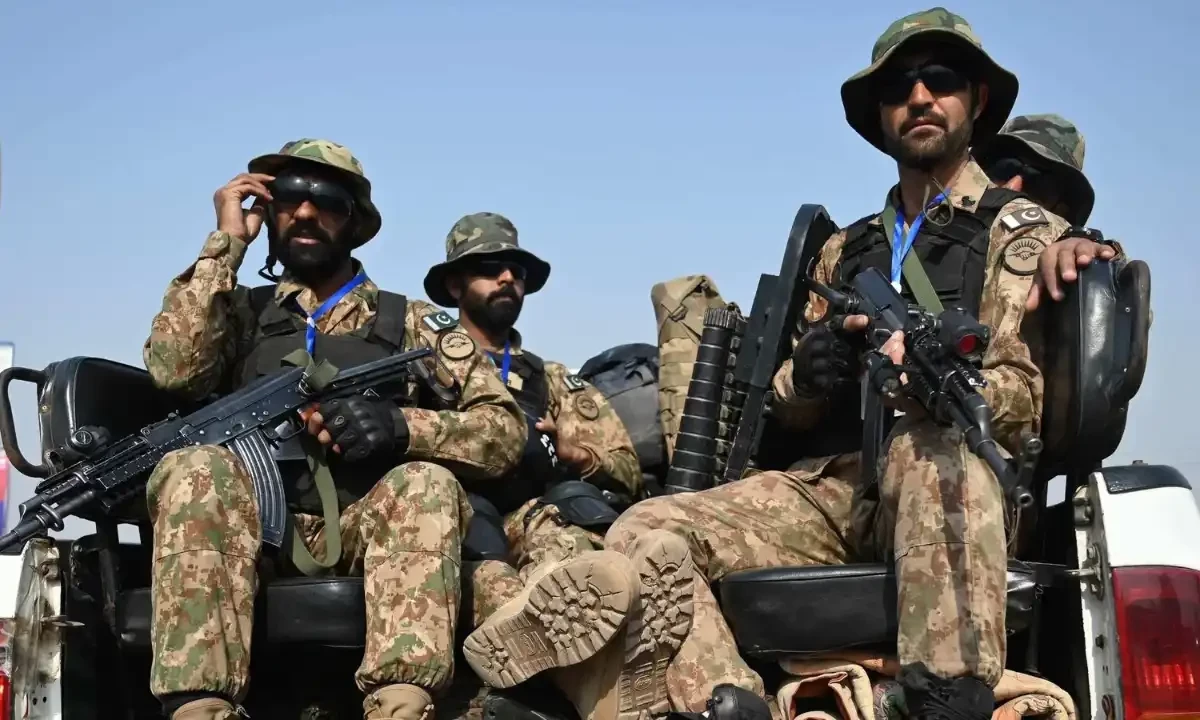
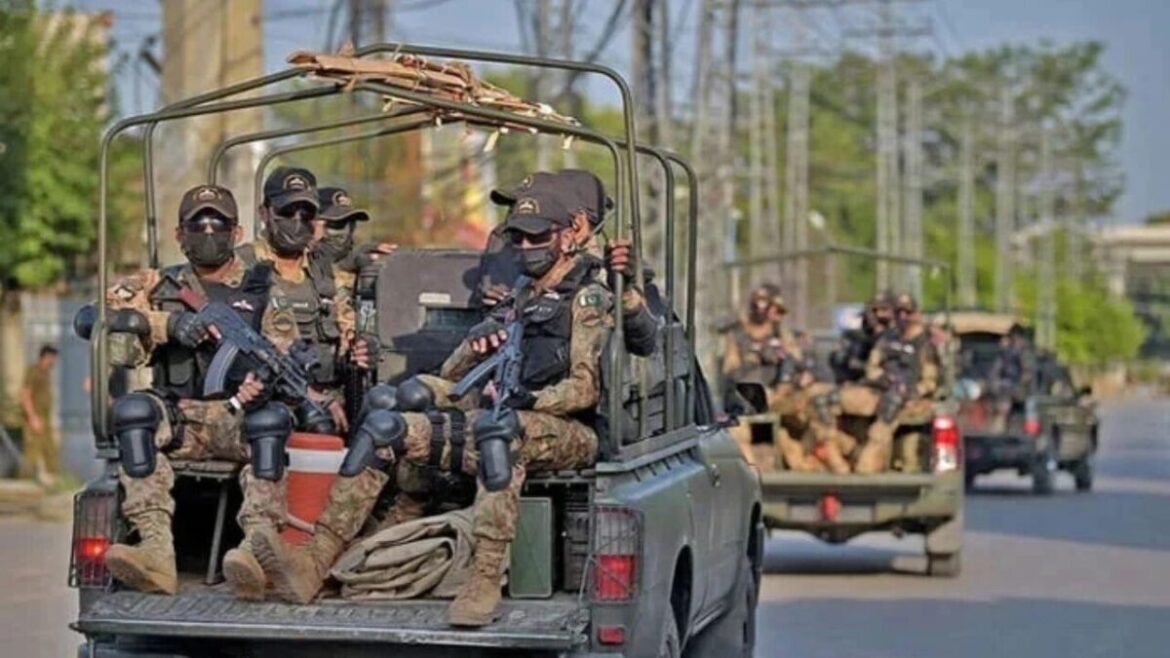
Following the curfew’s imposition, district officials urged residents to remain indoors and avoid road travel, a directive underscoring the gravity of the moment. In Bajaur, where the Pakistani military initiated “Operation Sarbakaf” earlier this week to root out militants, a peace jirga confronted local leaders of the proscribed Tehreek-i-Taliban Pakistan (TTP) with a stark choice.
Meeting at a mosque in the Lar Kalan area of Lowi Mamund tehsil, a 50-member delegation, led by Sahibzada Haroon Rashid and including Pakistan Tehreek-e-Insaf (PTI) lawmakers Dr. Hamidur Rehman, Anwar Zeb Khan, and former MNA Gul Zafar Khan, laid out a two-point demand: the militants must either return to Afghanistan or retreat to the mountains, sparing the local population from the dangers their presence invites.
Dr. Rehman, a senior PTI figure in the delegation said the militants presence poses a serious threat to locals. The TTP leaders, however, requested a delay, seeking until noon Saturday to consult their superiors in Afghanistan.
Sahibzada Haroon Rashid confirmed to reporters that further talks were set for Saturday, signaling a tense waiting game. This encounter echoes a recent standoff in Khyber’s Tirah valley, where a jirga from the Bar Qambarkhel tribe similarly urged TTP commanders to depart. There, too, the militants deferred, asking for time to confer with their Afghan-based leadership, a pattern that hints at the complexities of decision-making within the group.
Meanwhile, a separate jirga convened at the Bajaur Scouts headquarters in Khar, rallying local support for the Pakistan Army and Frontier Corps. Attended by lawmakers, senior security officials, district administrators, and police, the assembly aimed to forge a “result-oriented strategy” for enduring peace.
Frontier Corps (North) Inspector General Major General Rao Imran Sirtaj addressed the group, framing the military’s anti-terrorism operations as a linchpin for progress. “Anti-terrorism operations are aimed at establishing long-lasting peace and normalcy in the district,” he said, “enabling the people of the region to live in a peaceful environment conducive to progress and prosperity.”
Copyright © 2021 Independent Pakistan | All rights reserved