By Staff Reporter
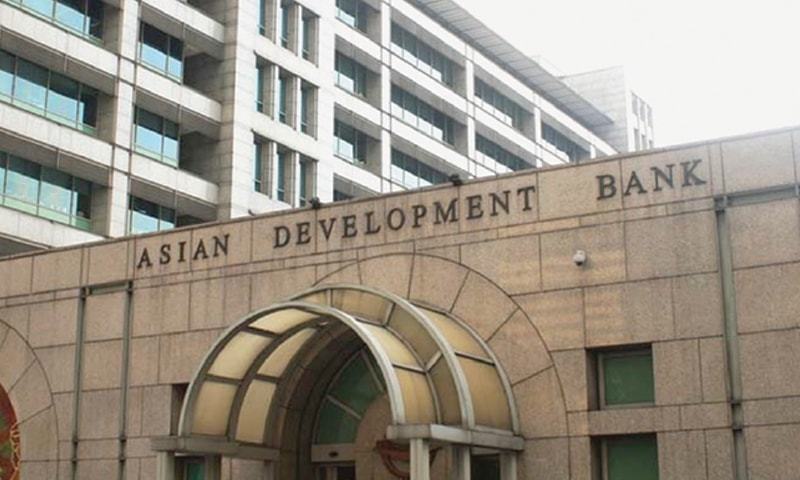
ISLAMABAD: The Asian Development Bank has approved three major development projects totaling $381 million aimed at modernising agriculture, strengthening education and improving health services in Punjab, Pakistan’s most populous province, which drives more than half of the country’s economic output.
The funding, announced in a statement on Saturday, includes concessional loans and grants to address longstanding challenges in the region, from outdated farming practices to shortages in skilled nurses and gaps in science education. Punjab, home to over 110 million people, produces the bulk of Pakistan’s staple crops but has struggled with inefficiencies that exacerbate poverty, pollution and limited access to quality services.
“Investing in education, health, and agricultural mechanisation will play a transformative role in driving the growth of Punjab, a vital pillar of Pakistan’s economy,” said Emma Fan, the bank’s country director for Pakistan. “These strategic investments will modernise agriculture, enhance human capital, and significantly improve livelihoods for millions of people across Punjab.”
The largest portion of the aid, a $150 million concessional loan, is directed toward reforming the province’s nursing and health workforce. Pakistan faces a severe shortage of qualified nurses, even as global demand for trained medical professionals rises. The program seeks to upgrade nursing curricula, expand faculty development and introduce a digital human resource management information system to better align staffing with healthcare needs. By focusing on nurses, a field dominated by women, the initiative aims to enhance health service delivery while creating employment opportunities both locally and abroad.
Three centers of excellence will be established in the cities of Lahore, Multan and Rawalpindi, equipped with state-of-the-art simulation laboratories, digital learning platforms and gender-responsive hostels to build a resilient workforce capable of handling growing demands. “The results-based program will focus on upgrading nursing curricula, expanding faculty development initiatives, and implementing a digital human resource management information system to align workforce planning with healthcare service needs,” the bank said in its statement. “By expanding the pool of qualified nurses, predominantly women, the program will improve health service delivery across the province.”
In agriculture, the bank allocated $120 million in concessional loans and a $4 million grant for the Punjab Climate-Resilient and Low-Carbon Agriculture Mechanisation Project. Punjab is often called the breadbasket of Pakistan, accounting for 75 percent of the nation’s wheat, 69 percent of its rice and 91 percent of its maize. Yet farmers rely heavily on antiquated machinery, leading to substantial grain losses during harvest and processing.
Compounding the problem, many burn crop residues after harvest, a practice that contributes to severe air pollution and health hazards across the region, particularly in urban areas during winter months. The project is designed to promote modern, disaster-resilient and low-emission farming techniques, including the widespread adoption of equipment like rice harvesters. It is expected to benefit 220,000 rural farm households by reducing waste, cutting emissions and increasing productivity.
The third project targets education, with $100 million in loans from the bank’s ordinary concessional capital resources and a $7 million grant from its Asian Development Fund, for a total of $107 million. The Responsive, Ready, and Resilient Science, Technology, Engineering, and Mathematics Secondary Education in Punjab Program will be carried out by the province’s School Education Department. “The results-based program aims to modernise secondary education by enhancing inclusive Science, Technology, Engineering, and Mathematics (STEM) education across Punjab,” the statement said. “The project, implemented by the Punjab School Education Department, will improve access to quality education for students across the province.”
The initiatives come amid broader efforts by the Manila-based lender to support Pakistan’s economic recovery. The country has grappled with fiscal strains, natural disasters and the lingering effects of the Covid-19 pandemic, which have strained public services and infrastructure. Punjab’s role as an economic engine makes these investments critical, bank officials said, as improvements there could ripple across the nation. The agreements build on previous collaborations between Pakistan and the Asian Development Bank, which has provided billions in aid over decades for infrastructure, energy and social programs. Saturday’s announcement also referenced separate agreements signed for $61.8 million in support of the three initiatives, though details on that portion were not immediately elaborated.
Copyright © 2021 Independent Pakistan | All rights reserved