By Staff Reporter
LAHORE: Punjab province, Pakistan’s most populous, is poised to establish a specialised police force to confront what officials describe as escalating threats from violent protests and mobs, after a legislative committee approved sweeping changes to the province’s policing laws on Monday.
The amendments to the Police Order of 2002, cleared by the Punjab Assembly’s Standing Committee on Home Affairs, would create a dedicated Riot Management Unit equipped with modern gear and specialised training for crowd control. The unit would operate under an additional inspector general of police, with oversight from the provincial police officer.
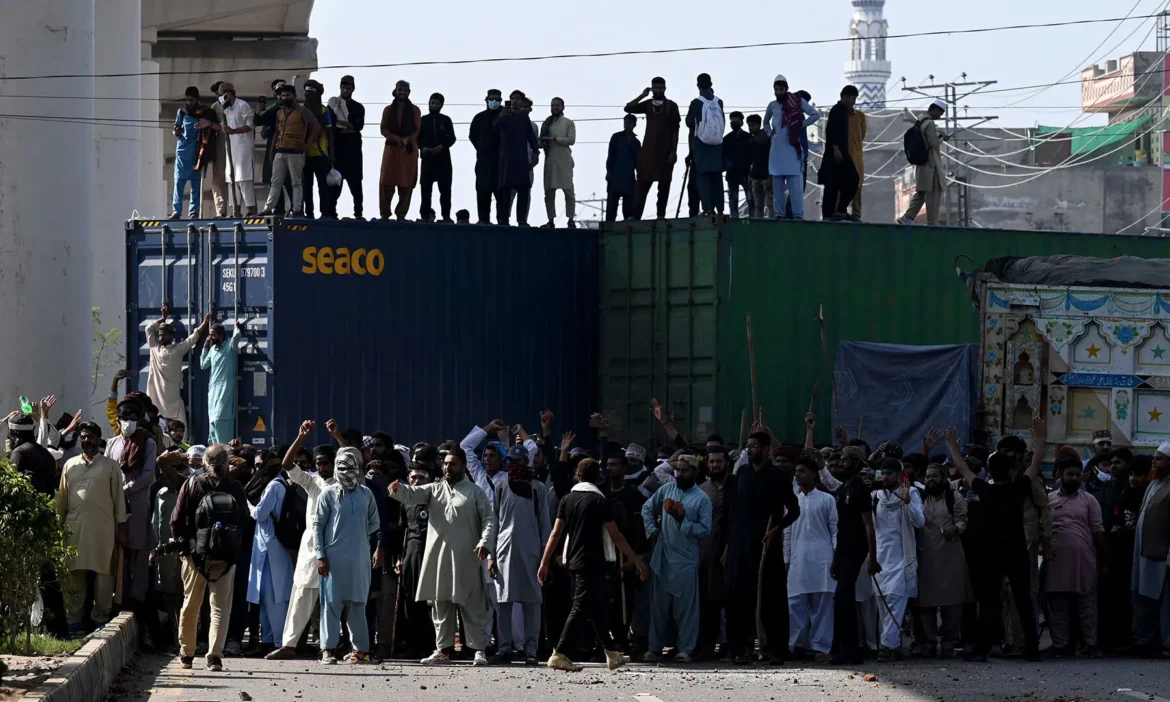
The move comes amid heightened concerns over public unrest, following a recent violent protest march by the religio-political party Tehreek-i-Labbaik Pakistan, which sought to rally support for Gaza and march on Islamabad. That demonstration, which began in Lahore several months ago, devolved into clashes with law enforcement, leading to a government crackdown and the eventual banning of the group under anti-terrorism laws.
Under the proposed Police Order (Second Amendment) Act, 2025, authorities would gain new powers to designate “riot zones” in affected areas. A deputy commissioner and district police officer could jointly declare such zones, enabling them to seal off roads, evacuate civilians and appoint an incident commander to oversee coordinated responses from multiple departments. The legislation also provides legal safeguards for police and Riot Management Unit personnel, protecting them from lawsuits or prosecutions for actions taken “in good faith” during operations, including the lawful use of force.
To deter organisers of disruptive gatherings, the bill imposes financial liability on those who instigate or facilitate riots. Courts would be mandated to award compensation for deaths, injuries, mental trauma and damage to property resulting from riots or unlawful assemblies. Such payments could be recovered as arrears of land revenue, with defaulters facing up to three years in prison.
A new chapter in the law, titled “Offences in the Riot Zone,” outlines severe penalties for violence within these designated areas: up to 10 years’ imprisonment and fines of up to Rs500,000 for attacks on police, other law enforcement personnel or private individuals, as well as for damaging public or private property. These offences would be classified as cognisable and non-bailable, with trials conducted on a day-to-day basis in sessions courts and verdicts required within 30 days. Accused individuals would be barred from transferring property after a case is filed and restricted from foreign travel without court approval.
The bill further authorises the use of modern surveillance tools, such as Safe City cameras, and deems video and photographic evidence admissible in court. The statement of objects accompanying the bill explains that the changes aim to address “rising public unrest, violent protests and attacks on law enforcement,” while providing compensation for victims and clearer legal protections for police.
With committee approval secured, the bill is now headed to the full Punjab Assembly for debate and potential enactment. The amendments follow a turbulent episode involving Tehreek-i-Labbaik Pakistan, a party with a record of staging aggressive demonstrations. The group launched what it called a “Gaza solidarity” march from Lahore, vowing to proceed to Islamabad and protest outside the United States Embassy.
In anticipation, authorities blocked roads across multiple areas of Punjab and suspended mobile internet services in the federal capital and neighboring Rawalpindi. Protesters camped at Muridke on the Grand Trunk Road on the night of Oct. 11, the march’s first day, but were halted by large trenches dug by the district administration along the route. Clashes erupted sporadically between Tehreek-i-Labbaik activists and law enforcement over the following days. On Oct. 12, forces including Pakistan Rangers (Punjab) and police contingents from five districts converged on Muridke, surrounding the protest site in apparent preparation for a major intervention.
Early on Oct. 13, law enforcement initiated a pre-dawn operation to clear the camp, sparking intense confrontations, widespread disorder and numerous arrests. The action effectively dispersed the marchers. In the aftermath, the federal government, acting on a recommendation from Punjab authorities, banned Tehreek-i-Labbaik Pakistan under the Anti-Terrorism Act on Oct. 24. The group was placed on the Fourth Schedule of the act, a roster of individuals suspected of involvement in terrorism or sectarian activities. The episode underscored the challenges facing authorities in managing religio-political mobilisations, which have periodically paralysed major cities and strained security resources.
Copyright © 2021 Independent Pakistan | All rights reserved