By Staff Reporter
KARACHI: Pakistan’s consumer inflation quickened to 7.3 percent year-on-year in March, the fastest pace since August 2024, as surging energy costs tied to the Middle East conflict pushed household prices higher, according to data from the Pakistan Bureau of Statistics released on Wednesday.
The reading compared with 7 percent in February and just 0.7 percent a year earlier. On a monthly basis, the consumer price index rose 1.2 percent, accelerating from a 0.3 percent gain the prior month. The July-to-March average stood at 5.67 percent, up from 5.25 percent in the same period a year ago.
The pickup was driven largely by higher energy prices, the finance ministry said in a separate note, forecasting inflation in a 7.5 percent to 8.5 percent range for the month.
The State Bank of Pakistan left its key policy rate unchanged at 10.50 percent last month, warning that inflation would likely remain above its 5 percent to 7 percent medium-term target for several months even as economic activity picks up and imports widen the trade deficit.
Urban CPI inflation climbed 7.4 percent year-on-year from 6.8 percent in February, while rural inflation eased slightly to 7.2 percent from 7.3 percent. Monthly gains were 1.3 percent in urban areas and 1 percent in rural regions — the first time since October 2025 that both exceeded 1 percent.
Food inflation rose 2.9 percent year-on-year in urban areas and 4.5 percent in rural ones. Non-food inflation, however, remained elevated at 10.3 percent urban and 9.7 percent rural. Core inflation, stripping out volatile food and energy, stood at 7.4 percent in urban areas and 8.4 percent in rural regions, showing little sign of easing.
The monthly jump was led by transport costs and electricity. Motor fuel prices surged 18.01 percent in urban areas and 19.3 percent in rural ones on a monthly basis. Liquefied hydrocarbons rose 12.63 percent urban and 13.79 percent rural. Electricity charges climbed 5.08 percent in both. Transport services added 9.15 percent in cities and 4.73 percent in the countryside.
Among food items, urban monthly increases included chicken at 13 percent, fresh fruits 11.25 percent, fresh vegetables 5.01 percent, pulse mash 2.78 percent and meat 1.53 percent. Offsetting declines came in tomatoes, which fell 29.16 percent, eggs 17.98 percent and potatoes 12.02 percent. In rural areas, fresh fruits jumped 14.68 percent and fresh vegetables 6.84 percent, while tomatoes dropped 27.47 percent and eggs 20.69 percent.
Year-on-year, urban food prices showed wheat up 34.24 percent and wheat flour 23.64 percent, while potatoes fell 43.17 percent and eggs 24.95 percent. Non-food leaders included personal effects at 56.52 percent higher and liquefied hydrocarbons 23.46 percent.
Economists describe the trend as disinflation — a slowdown in the pace of price increases rather than outright deflation — though the cost of living remains elevated for many households. The government has set a 7 percent inflation target for the current fiscal year. Full-year fiscal 2025 inflation averaged just 4.49 percent, down sharply from 23.41 percent the year before, helped by a high base effect, softer food prices and lower transport costs.
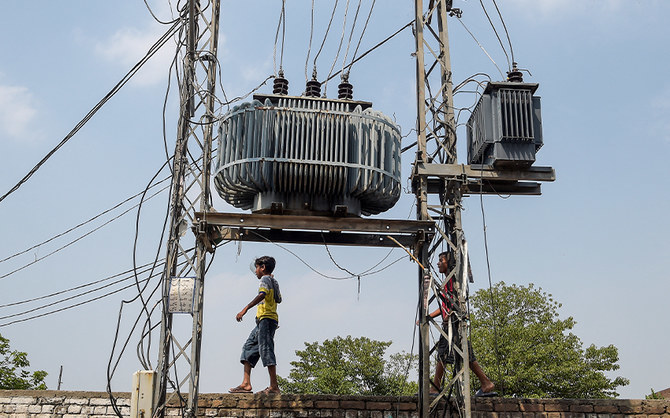
The national average domestic electricity tariff has climbed back to 28.36 rupees per unit, the highest in 20 months, after quarterly and monthly adjustments. Despite an earlier base-tariff reduction, fixed charges and higher fuel costs have driven the rebound. With LNG supply constrained and summer demand looming, further upward pressure on power tariffs is expected even if the Middle East conflict eases.
The government has so far resisted passing through higher fuel costs to consumers, absorbing close to 100 billion rupees in subsidies in just one month. That stance is adding to fiscal pressures and risks feeding into higher taxes, money printing or currency weakness later in the year, analysts said.
The central bank has already flagged these risks. With the Middle East conflict now in its second month and administered price adjustments looking increasingly likely, a tightening in monetary policy is widely viewed as inevitable — a question of timing and magnitude rather than direction.
Copyright © 2021 Independent Pakistan | All rights reserved