By Staff Reporter
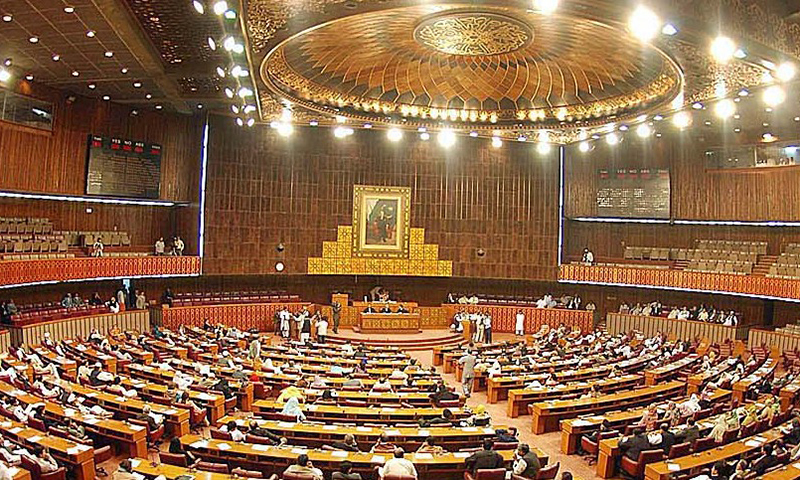
ISLAMABAD: President Asif Ali Zardari on Friday summoned both houses of Parliament to convene next week for the annual federal budget session, launching what is expected to be one of the most closely watched fiscal exercises in years as Pakistan balances International Monetary Fund demands, lingering economic fragility, and fresh uncertainty from the US-Iran conflict.
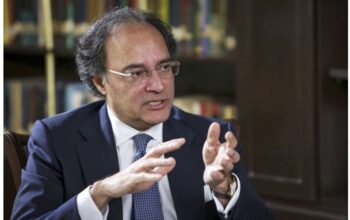
The National Assembly will meet at 5 p.m. on June 5 and the Senate at 6 p.m. the same day, the President’s House said in a statement. The sessions were convened under Article 54(1) of the Constitution and mark the official start of proceedings rather than the budget presentation itself, which Finance Minister Muhammad Aurangzeb is scheduled to deliver later in the sitting.
The timing reflects adjustments made after more than 60 lawmakers traveled to Saudi Arabia for Hajj, forcing an earlier-planned June 1 start to be postponed. The legislators are expected back in the first week of June, though government sources told local media that the schedule could shift again if proposed Iran-US talks materialize in Islamabad.
Officials aim to wrap up deliberations and pass the budget by June 24 so it can clear all constitutional hurdles before the new fiscal year begins July 1. Pakistan enters the process still operating under a $7 billion IMF Extended Fund Facility approved in 2024, supplemented by a separate climate resilience facility. The lender continues to press Islamabad to broaden the tax base, curb losses in the energy sector, and demonstrate credible fiscal restraint after years of ballooning debt, currency pressure, and repeated balance-of-payments crises.
Economic indicators have shown modest stabilization since the latest IMF deal, yet challenges remain acute. The government is projecting GDP growth of between 3.5 percent and 4.5 percent for the coming year, but inflation has climbed back into double digits, hitting 10.9 percent year-on-year in April. The average consumer price index for the outgoing fiscal year is estimated around 7.5 percent.
Last week the National Assembly’s Standing Committee on Finance and Revenue delivered a pointed message to the Ministry of Finance and the Federal Board of Revenue: the 2026-27 budget must move decisively beyond short-term stabilization and deliver sustainable reforms, greater transparency, better governance, and inclusive growth. Committee members voiced particular frustration over the continued heavy reliance on indirect taxes and petroleum levies rather than genuine expansion of the tax net. The committee was briefed that the economy remains on a “fragile stabilisation path” despite gradual signs of recovery.
The budget will be preceded by the release of the annual Pakistan Economic Survey, traditionally issued the day before the finance minister’s speech, followed by technical briefings from economic officials and news conferences outlining the government’s priorities on taxes, spending, and development. Once introduced in the National Assembly, the budget faces debate from both government and opposition benches before a final vote.
On the spending side, the government has prepared three options for salary and pension increases for public-sector employees and retirees — ad hoc raises of 5 percent, 7.5 percent, or 10 percent — with the final figure likely to hinge on inflation trends. Separately, the budget is expected to extend the Defined Contributory Pension system to armed forces personnel, mirroring a change introduced for new civilian recruits in the previous fiscal plan. The coalition partner Pakistan People’s Party has pressed for a more generous 20 percent increase across the board.
The entire exercise unfolds against heightened regional risks. Disruptions from the US-Iran conflict have rattled shipping lanes and energy markets, raising fears of higher import costs and renewed pressure on Pakistan’s external accounts. Once approved, the fiscal blueprint will set revenue targets, lay out development allocations and debt-servicing costs, fix defense spending, and detail fresh taxation measures — all under the watchful eye of IMF teams and a domestic audience weary of repeated austerity cycles.
Copyright © 2021 Independent Pakistan | All rights reserved